Sundowning & Sensory Stimulation: Soothing Touch & Smell
Sundowning is a state of increased confusion that begins in the afternoon or evening hours. It is common in patients with dementia and can result in difficult, even harmful behavioral disturbances. If you care for a loved one with dementia and sundowners syndrome, it’s important to understand the role sensory stimulation plays.
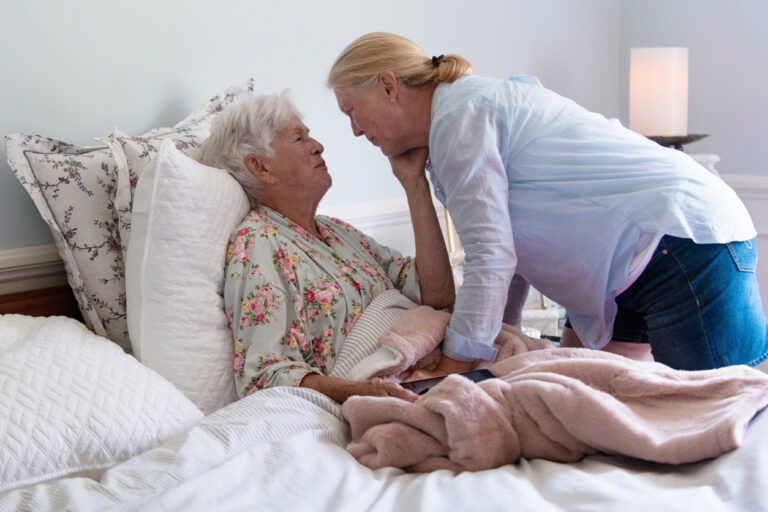
It’s easy for someone with dementia to get overwhelmed by environmental factors, like sounds, smells, and interactions with people. On the other hand, calming sensations of touch and smell can help relax and soothe your loved one. In this article, we’ll cover these topics, first touching on an overview of sundowning.
Then we’ll talk about overstimulation and the role it plays in triggering or worsening sundowning. We’ll discuss how the right kind of sensory stimulation can help and how to do it. If you’d like to learn more about all aspects of caregiving, check this link to see if you have free access to additional Trualta resources.
About Sundown Syndrome
Sundown syndrome is not a condition itself. It’s a group of symptoms characterized by increased confusion. It’s not limited to but is most common in patients with conditions that cause dementia.
The increased confusion of sundowning begins in the late afternoon or as early evening approaches and may last all night. Some of the common behaviors and symptoms of sundown syndrome are:
- Agitation
- Anxiety
- Angry outbursts, or even violence
- Refusal to follow directions
- Wandering
- Pacing, rocking, and other repetitive behaviors
- Crying
- Shadowing, following you closely
- Hallucinations, delirium, and paranoia
There is no single cause of sundown syndrome. Episodes can be triggered or worsened by:
- Long, busy days and a lot of activities
- Overstimulation
- Boredom
- Disruptions to routine
- Hunger
- Depression and other mental health conditions
- Pain and other symptoms of chronic health conditions
Sundowning behaviors can be distressing. They can also be harmful to your loved one and to you and other caregivers. Managing sundown symptoms is essential for keeping everyone safe and well. It also helps delay transitioning your loved one from independent living with home care to assisted living or memory care.
Overstimulation & Sundown Syndrome
A busy day, disruptions to routine, and a lot of activity, are all known triggers for sundowning symptoms. What is it about these factors that cause sundown syndrome and its symptoms? No one knows for sure, but it’s likely related to being overstimulated. Overstimulation is one aspect of sundowning you can manage to reduce episodes and severity.
What Does It Mean To Be Overstimulated?
Stimulation means taking in environmental information through your senses and processing that information in your brain. It is normal and necessary, but at times, it can be too much.
Overstimulation occurs when you become overwhelmed by too much sensory input and processing. At this point, it becomes difficult to function.
Overstimulation can be triggered by things like loud noises, bright lights, crowds, strong smells, and too much physical touch. It usually occurs with ongoing or prolonged exposure to stimuli.
Why Are Dementia Patients More Vulnerable To Overstimulation?
Everyone has a different threshold for becoming overstimulated. This threshold can change depending on your health, mood, and other circumstances. Some health conditions make a person more vulnerable to overstimulation.
Someone with dementia and sundown syndrome is more susceptible to being overstimulated for several reasons:
- Cognitive impairment and dementia make it more difficult for your loved one to regulate sensory input. For example, they might not understand that they should turn down the volume on the TV.
- Your loved one might struggle to communicate to you that the lights are too bright, that they have had too many visitors, or that they are starting to feel overwhelmed.
- It can be more difficult for you to understand how much stimulation and which types are too much for your loved one.
- Your loved one might be taking medications or have other health issues that exacerbate the issue.
Overstimulation, Sleep & Sundowning Syndrome
Overstimulation during the day can also disrupt your loved one’s sleep. Sleep disturbance and poor sleep have been identified as triggers for sundown syndrome and symptoms. In fact, research has already linked sundowning with circadian rhythm, the body’s natural sleep wake cycle.
Too little natural light or bright light exposure during the day can disrupt circadian rhythm and impact sleep. Your loved one might also struggle to sleep after a lot of sensory stimulation. Anything that makes it harder for them to sleep well could trigger or worsen sundowning symptoms.
Studies have found that, regardless of age, a lot of stimulation during the day disrupts sleep. Overstimulation can result from specific things like fast-paced or exciting television programs. It can also be multi-tasking or just doing too much. If these factors affect people without dementia, they can be even more disruptive and detrimental to older adults with dementia.
How Sensory Stimulation Can Help Sundowning
Dementia and sundown syndrome patients are more vulnerable to overstimulation, but this also means they can be soothed by strategic sensory stimulation. Studies have investigated this and found that some stimulation actually reduces problematic behaviors.
One study looked at the use of multisensory stimulation environments. These are carefully crafted environments with elements designed to be enriching and engaging without overwhelming patients.
These environments might include filtered lights, tactile objects, rocking chairs, and bubbles, for example. Researchers found that dementia patients with access to these tools experienced less agitation, aggression, wandering, and crying.
Another study showed that certain sounds and images soothe and calm patients with sundowning symptoms. They used nature videos with sounds and classical and other types of soft music. Many studies have shown the benefits of music in the evening to reduce confusion and restlessness in dementia patients.
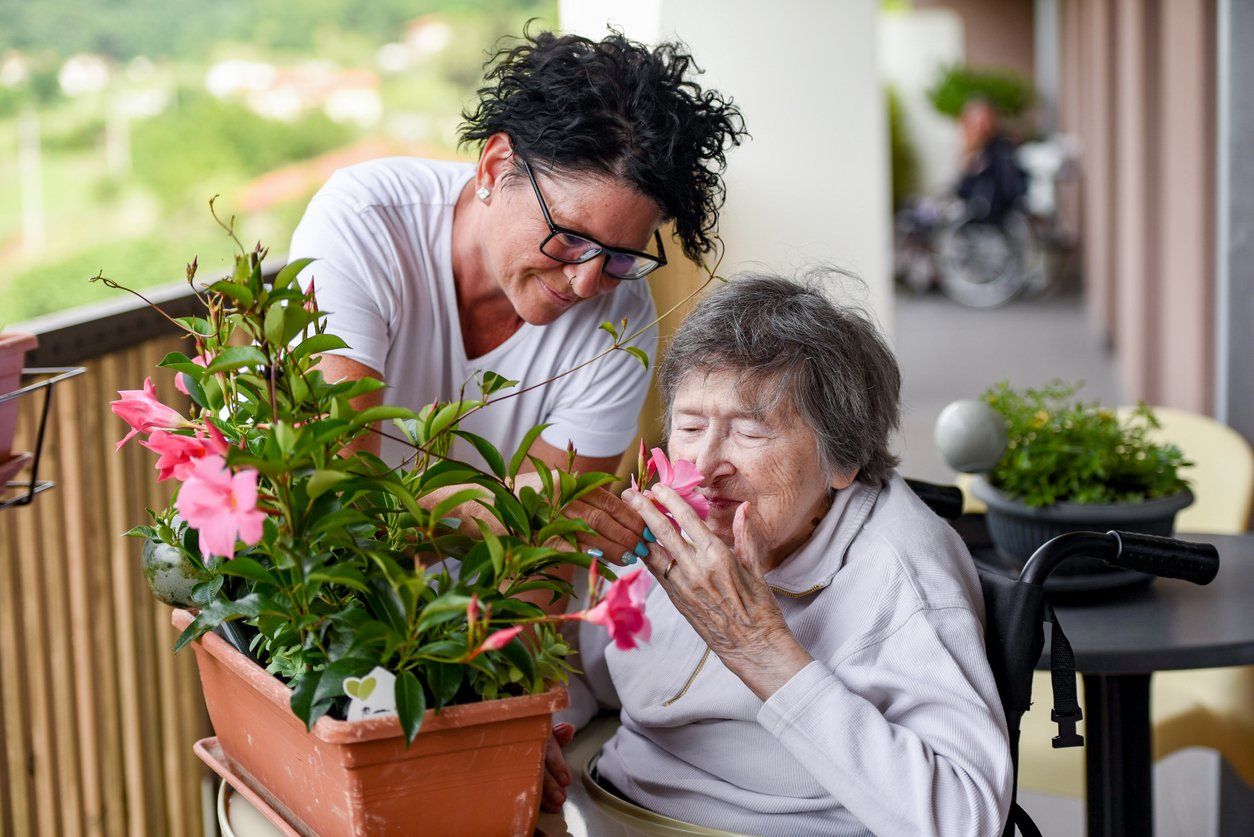
Studies of aromatherapy have had mixed results, but some show definite reductions in agitation and aggression when used for patients with dementia. Aromas like lavender, bergamot, rose, and lemon balm are soothing. Scents that remind your loved one of past happy memories can also help.
The above strategies were implemented in clinical settings. But as a home caregiver, you can use them as inspiration to help your loved one stay calm at night.
Identify Sensations That Trigger Sundowning
First, it’s helpful to identify and avoid or minimize sensations that agitate your loved one. Keep a journal of your loved one’s sundown syndrome episodes to learn more about what causes them and what helps.
In your journal, record when the episode started, specific symptoms and behaviors, and what was going on before it began. Also, keep track of what you did to try to manage the episode, what helped, and what didn’t.
As an example, imagine you have visitors one afternoon. They chat with and try to engage with your loved one but are calm and respectful. A child is present and puts loud cartoons on the TV. Your loved one eventually gets agitated and tries to leave the house.
You might record the presence of visitors, but the main issue might be the loud sounds and flashing lights from the TV program. Turning the TV off or changing it to a quiet program with calm voices and gentle music might help in this situation.
Try Soothing Sensory Stimulation
Identifying and avoiding triggering sensations is your first line of defense in preventing sundowning. You can also try adding soothing, calming sensory stimulation, especially at the end of the day:
Engage Their Sense Of Smell
You don’t have to be an aromatherapy expert to use soothing smells. Make your loved one an evening cup of herbal tea with a calming aroma, like lavender or chamomile. In the afternoon, make fresh cookies or other baked goods. Give your loved one appropriate tasks to help.
Use candles or a diffuser with essential oils to create soothing smells in the evening. Try different scents to find those that make your loved one calm. Be sure to keep any essential oils safely out of reach when not in use. They can be harmful if accidentally consumed.

Use Music & Sounds
Soft, soothing music can be a great transition for the end of the day that keeps your loved one calm and relaxed. Gentle classical music is a good option, but you can also try music from their past that brings up positive memories. Play it at a low level and lower the lighting as well.
Nature sounds can also be very soothing. Use mixes with sounds like rainfall in the forest or ocean waves. You can also find videos that combine soothing nature imagery with sounds for relaxation.
Create A Soothing Multisensory Environment
Use various items to create your own multisensory environment, like those tested positively in studies with dementia patients. Try bubble machines, fans with streamers, beaded curtains, soft fabrics, and other items that they can use for calming activity and controlled sensory stimulation. By trial and error, you can find the items and sensations they find soothing and use them to wind down at the end of the day.
Sundowning can be difficult to manage. Control and strategically use sensory stimulation to prevent and minimize episodes. And, of course, talk to your loved one’s doctor if episodes get worse or more frequent.
If you’d like to learn more about all aspects of caregiving, check this link to see if you have free access to additional Trualta resources.
References
- https://my.clevelandclinic.org/health/articles/22840-sundown-syndrome
- https://pmc.ncbi.nlm.nih.gov/articles/PMC9324910/
- https://www.huffpost.com/entry/electronic-sundown_b_967395
- https://pmc.ncbi.nlm.nih.gov/articles/instance/10846236/pdf/10.1177_1533317509350153.pdf
- https://journal.ilpnetwork.org/articles/10.31389/jltc.69
- https://www.sciencedirect.com/science/article/abs/pii/S0197457223001040