How The Sandwich Generation Can Thrive In Dual Caring Roles
Members of the sandwich generation are wedged between older adults and growing or grown children. Many of these individuals provide direct care, financial support, or both. Caring across generations can be rewarding and meaningful, but it can also be challenging.
If you’re in this position, dual caregiving doesn’t have to mean living with a burden. You can thrive in this role. In this article, we’ll talk about:
- What it means to be in the sandwich generation
- The unique challenges you face
- Tips for thriving in this role
Could you benefit from additional caregiving resources? Check this link to see if you have free access to the Trualta library and community.
About The Sandwich Generation
The term sandwich generation refers to people with dual caregiving or support roles, for both parents and children. According to the Pew Research Center, the sandwich generation definition includes people supporting or caring for:
- One or more aging parents 65 or older
- A young child or children under the age of 18, or
- One or more adult children needing financial support
Who is in the sandwich generation? It includes many people in Generation X who are supporting Baby Boomer parents and Millennial or Gen Z children. The Pew Research Center reports that 23% of American adults are in the sandwich generation.
There is a lot of variety within this group, including individuals acting as home caregivers, making care decisions for older adults, raising children, or supporting an adult child. As middle aged adults, many members of the sandwich generation also have jobs or careers.
Unique Challenges For The Sandwich Generation
Many members of Gen X find themselves as sandwiched adults, caught between generations needing some type of care or support. Like other caregivers supporting families, these individuals face challenges. As dual caregivers, they face unique challenges:
- The financial burden of supporting an older parent and young or adult children.
- Emotional distress and mental health issues, like depression, anxiety, and stress.
- Lack of time and always feeling rushed to get things done.
- Neglected physical health and well-being.
- Feelings of guilt due to needing to split resources between aging parents and children.
- Making important decisions for aging parents regarding elder care, senior living, or assisted living options.
While caregivers of only children or only aging parents may also face some of these challenges, sandwich generation caregivers tend to face them to a greater extent.
If you’re a sandwiched adult facing responsibilities for both aging parents and children, you can thrive in your role. It’s possible to take control of your situation, manage it more effectively, and even enjoy being a dual caregiver. Here are some steps you can take, whether you’re new to your role or currently struggling with it.

Find The Positive
Although caregiving can be challenging at times, it’s not always a burden. The Pew Research Center has reported that adults of the sandwich generation are actually a little more likely to report being satisfied with family life than other adults, including non sandwich caregivers. They report equal satisfaction with their community and social lives.
Many caregivers consider their role a responsibility, but this doesn’t mean it has to be a burden. Focus on the positive:
- Helping a parent. You’re doing well enough to be able to support a parent who raised and cared for you.
- Closer relationship. Caregiving gives you the opportunity to strengthen your bond with your parents.
- Passing on love. You can share the care and values you received with your own children.
- Supporting an older child. You’re able to guide and assist an older child as they navigate life.
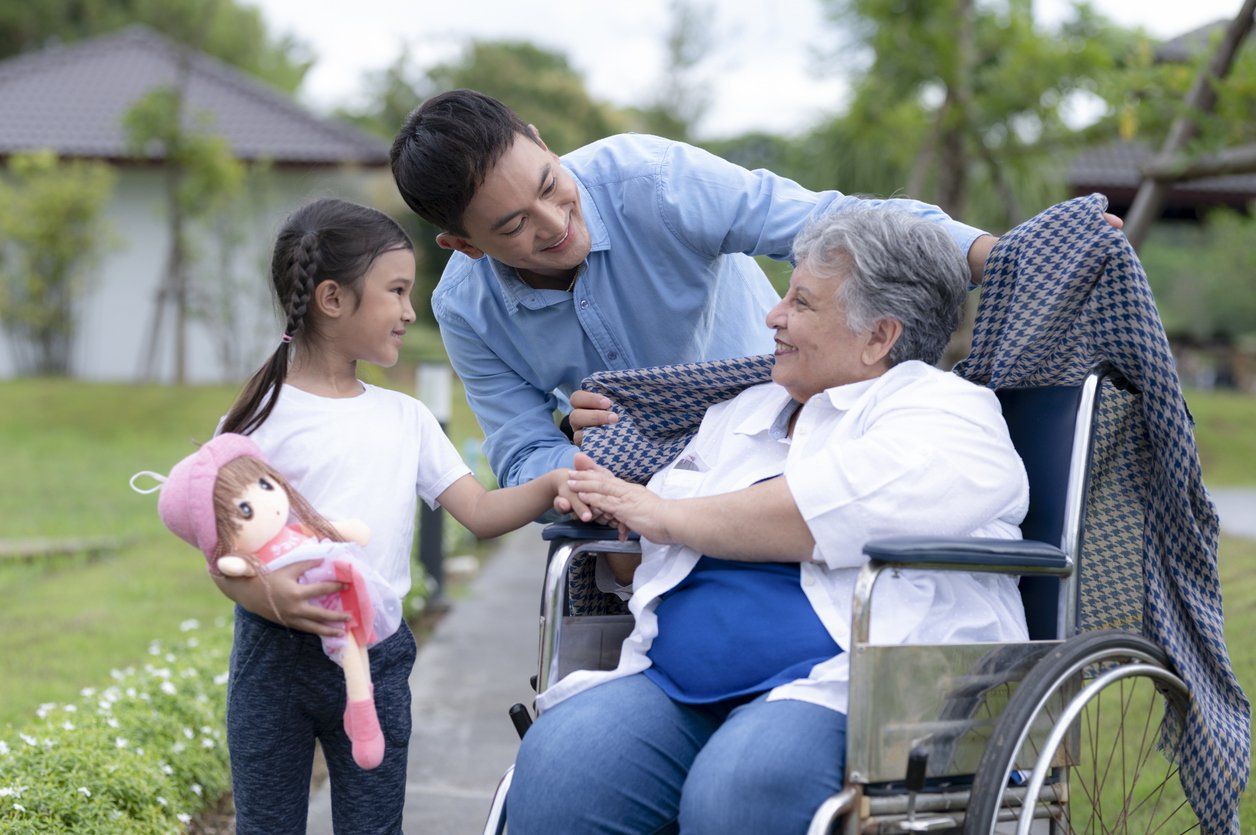
- Bridging generations. Caring for both parents and children helps foster a strong grandchild-grandparent relationship.
- Having your parents. Your parents are still part of your life, which is not true for all middle-aged adults.
- Sense of purpose. Providing care for loved ones can bring meaning and fulfillment to your life.
Work With A Care Coach
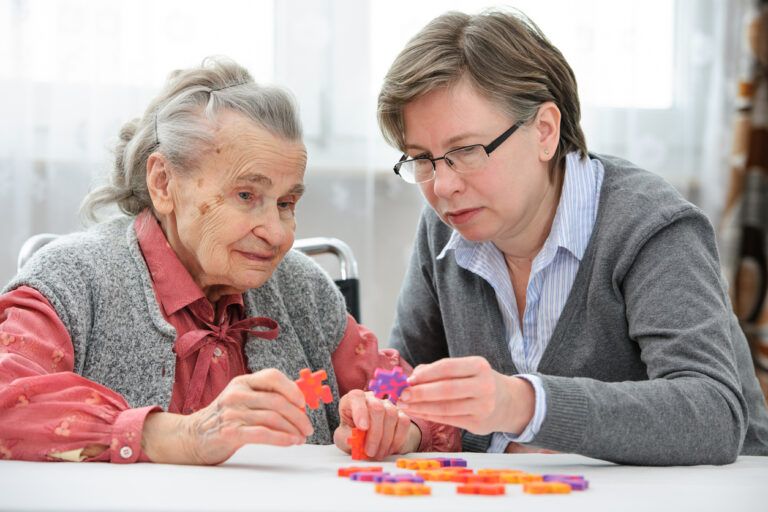
A care coach is like a life coach or personal guide who specifically helps you tackle caregiving challenges. Care coaches are experienced caregivers and professionals who have special expertise and access to resources that can help you.
A care coach cannot provide care for you or make decisions for you, but they can act as expert guides. After getting to know you and the specifics of your situation, a care coach will put together an ever-evolving plan to help you not just manage your role but thrive in it.
Here are some examples of ways a care coach can help:
- Recommend courses and events to help you learn caregiving skills, like those Trualta offers.
- Provide communications coaching to help you interact better with loved ones or their healthcare providers.
- Offer home safety tips to keep an aging parent safer at home.
- Find and use organizational and time management tools to help you manage your role better.
- Find balance in your unique role as a dual caregiver, especially if you also have a job to manage.
- Build confidence in your role and empower you to make tough decisions.
- Find ways to prioritize self-care and avoid burnout.
- Act as a non-judgemental sounding board for your ideas and challenges.
- Find and recommend caregiver support groups, whether online or in person.
Work With A Financial Planner
According to the Pew Research Center, many sandwich generation individuals financially support an elderly parent, an adult child, or both. Many provide ongoing financial support for aging parents. Many also serve as the primary source of financial support for an adult child.
While some sandwiched caregivers can easily afford to provide support, others struggle. Money worries can cause a lot of stress. If this sounds like you, consider working with a financial planner. Financial planning can help you better manage your money, set and stick with a budget, invest wisely, and save more money.

Ask For Help
Many caregivers find themselves alone in their role. They feel lonely, isolated, and overwhelmed without any support. You shouldn’t have to take on this responsibility alone. If you have aging parents needing care, rely on another family member to share duties. Another family member may also have additional financial resources for an aging parent.
If family isn’t an option, consider working with professional caregivers. Even if you only rely on them for a few hours a week, this can help you take more time for yourself. Another option is respite care. If you’re a caregiver for an older adult, respite care gives you time off from caregiving tasks. It could be for a few hours, a few days, or more, depending on what you need.
Join A Support Group
If you do feel isolated or alone in your role, consider joining a caregiver support group. It doesn’t have to be specific to sandwich caregiving to be helpful. A support group made up of caregivers for older adults will provide a community of support that can be very beneficial.
Support groups are useful because they consist of people who understand your experiences. They can help you feel less alone. A support group is a safe place to share difficult feelings, share experiences, and get advice. If you struggle to find time for meetings or do not have local support groups, find an online group to join.
Studies have proven that participation in support groups provides benefits for caregivers of older adults or aging parents. Participants report improved overall quality of life after joining a support group. Specifically, they experienced less anxiety and were better able to engage in self-care.
Make Time For Self-Care
Self-care is so important, but hard to prioritize when you have caregiving responsibilities. It’s easy to slip into unhealthy behaviors and to put yourself last. Self-care keeps you healthy and well, which is important for you but also your children and parents. You cannot provide the best care or manage your role if you don’t care for yourself.
Make time for the basics of self-care: exercise, eating a healthy diet, and getting quality sleep. One way to ensure you have time for these is to include your loved ones in them. Go for a bike ride with your child to exercise. Cook healthy meals as a way to spend time with a parent. Work together with both to learn and practice good sleep hygiene.
The sandwich generation is truly in a unique position. Caring for both children and aging parents can be challenging, but it can also be incredibly rewarding. With these tips and suggestions, make the most of your role and learn to thrive in it.
Could you benefit from additional caregiving resources? Check this link to see if you have free access to the Trualta library and community.
References
- https://www.pewresearch.org/short-reads/2022/04/08/more-than-half-of-americans-in-their-40s-are-sandwiched-between-an-aging-parent-and-their-own-children/
- https://www.michiganmedicine.org/health-lab/sandwich-generation-study-shows-challenges-caring-both-kids-and-aging-parents
- https://www.pewresearch.org/social-trends/2013/01/30/the-sandwich-generation/
- https://onlinelibrary.wiley.com/doi/10.1111/famp.12684