

The Most Common COPD Symptoms Explained
According to the American Lung Association, chronic obstructive pulmonary disease (COPD) is “a long-term lung disease that makes it hard to breathe”. It may also be referred to as “chronic obstructive lung disease”. In this condition, the airways become inflamed and irritated, causing them to become restricted, making it more difficult to breathe. Getting a COPD diagnosis can bring up a lot of fear and overwhelm your loved one. As a caregiver for someone with this condition, it is important to understand the causes and symptoms of COPD so you can best help your loved one live their best life.
Check here to see if you have free access to Trualta’s library of resources on all aspects of caregiving, including caregiving for someone who has COPD and other breathing disorders.
What happens to the lungs when someone has COPD?
To understand what causes COPD, we must look at how air flows through our body.
- We breathe air in through our mouths.
- It travels down our windpipe (or trachea) and branches into each of our lungs through the bronchiole tubes.
- In our lungs, we have tiny elastic air sacs called alveoli, where gas exchange occurs.
- The alveoli allow oxygen to move into the bloodstream and carbon dioxide to exit the body.
In COPD, the airways become narrow and restricted, leading to difficulty with airflow in and out of the body. The airway lining can get inflamed, parts of the lung can become scarred, and mucous can block air exchange. The damage done in COPD is often reversible.
There are two main types of chronic obstructive pulmonary disease. Each disease affects different parts of the lung:
- Emphysema refers to when the air sacs (alveoli) become damaged and hardened, leading to difficulty with air exchange.
- Chronic bronchitis is when the tubes of our lungs (bronchioles, bronchi, or trachea) become inflamed. This leads to excess mucous production and leads to a prolonged cough.
Risk Factors and COPD Causes
There are many causes and risk factors for chronic obstructive pulmonary disease.
- Smoking is the most common cause of COPD.
- Repeated exposure to irritants in the air, including secondhand smoke, toxic fumes from the workplace, or strong dust.
- Genetic factors, such as a specific gene that causes a condition called alpha-1 antitrypsin deficiency, which leads to lung damage, can increase the risk of developing COPD.
- Having a history of asthma or breathing problems is a risk factor for COPD.
- People 40 years or older are at increased risk of COPD because lung function decreases as we get older.
Symptoms of COPD
If your loved one has chronic obstructive pulmonary disease, they may have many different symptoms, which we will explore below. The person you care for might not exhibit all of these symptoms and may show just one or two. Regardless, as a caregiver for someone with this condition, it’s important to understand the symptoms and why they happen so you can best help manage them.
Chronic Cough
Irritation in the airways leads to long-term inflammation, which can cause a persistent, chronic cough that will not go away. In some cases, people with bronchitis also have an overproduction of mucus, which leads to increased coughing and sometimes causes the mucus to be coughed out of the airway.
Shortness of Breath
Shortness of breath is one of the most common symptoms of COPD. The reason for feeling breathless depends on which form of COPD your care recipient has.
- In emphysema, the tiny air sacs in the lungs become damaged and destroyed, and new, fresh air can’t be exchanged in the lungs. This leads to shortness of breath.
- With bronchitis, the airways that deliver oxygen to the lungs are inflamed and irritated, producing too much mucus. This makes it difficult for air to get to the lungs and causes shortness of breath.
Wheezing and Chest Tightness
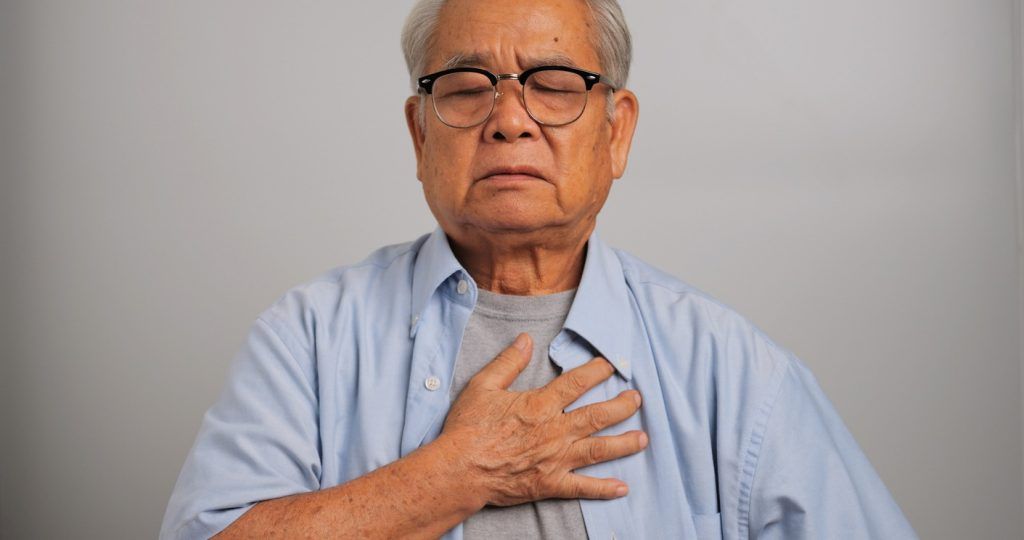
Another common symptom of COPD is wheezing and chest tightness. This happens because of narrowing and, sometimes, collapse of the air tubes. When this happens, very little air can reach the lungs, and a wheezing sound may be heard. When wheezing persists, the person may feel chest tightness, making it difficult to take a deep breath.
Treatment of these symptoms is similar to treatment for shortness of breath, including the use of bronchodilators, steroids, and pulmonary rehab.
Fatigue
Someone with COPD almost always experiences fatigue. The air we breathe contains oxygen, which is an energy-giving substance for our bodies. For people with COPD, their bodies do not get oxygen as efficiently, causing them to work extra hard to function. This leads to persistent fatigue and overall low energy levels. Additionally, with symptoms of a chronic cough and shortness of breath, people with COPD may have difficulty getting a good night’s sleep, leading to more fatigue.
COPD Treatment
There are many medications or lifestyle adjustments that may be made by your care recipient’s doctor to help manage the symptoms of COPD.
- A doctor may recommend supplemental oxygen to make sure that the oxygen levels stay in a safe range.
- Bronchodilators help relax and open the airways.
- Steroids may reduce inflammation of the air tubes.
- Sometimes pulmonary rehabilitation is recommended to strengthen the lung function and make it easy for your loved one to do cardiovascular exercises to build endurance and overall activity tolerance.
- If a lingering respiratory infection is present on top of existing COPD, antibiotics may be recommended.
- Surgery is a last resort effort to address severe COPD, including placement of special valves to help air move through the lungs, removal of the severely damaged parts of the lungs, and, in rare occasions, lung transplant.
Tips for Caring for Someone with COPD
Caring for someone with COPD requires patience, strategy, and understanding of the disease to help keep the care recipient as independent as possible, while also keeping them safe.
Here are some important tips for caring for someone with COPD:
- Throughout the day, use a pulse oximeter on your loved one’s fingers to monitor their oxygen levels.
- Encourage energy conservation throughout their day, like having them sit while they wash dishes or place chairs strategically around the house to give them places to take a break.
- Avoid lung irritants like smoking and all second-hand smoke exposure.
- Create a visual schedule of their medications or breathing treatments to help keep them on track and to improve compliance.
- Encourage hydration. Drinking fluids during the day can thin out mucus, which can help relieve some shortness of breath.
- Ensure the care recipient gets proper nutrition. Someone with COPD requires more energy to function in their day-to-day because they are not getting as much oxygen to their tissues.
- Smaller meals more frequently during the day can be more comfortable for someone with COPD. This is because large meals put a lot of pressure on the diaphragm and can make breathing feel difficult.
- Exercise is important to keep the body healthy. Schedule short walks with the care recipient if they are able, or make sure they complete the exercises provided to them by a healthcare professional.
- Often, a lot of feelings and frustrations come up with a diagnosis of COPD. Providing emotional support and being an active listener for your loved one are also key parts of caring for them.
Conclusion
A diagnosis of chronic obstructive pulmonary disease can be an overwhelming and emotional diagnosis for both the patient and the caregiver. This is why understanding the symptoms of COPD is essential. The earlier warning signs are detected, the sooner treatment, medications, and lifestyle adjustments can be made to minimize disease progression. As a caregiver, you also play a role in facilitating physical activity within safe limits, encouraging self-monitoring and energy conservation strategies, and helping with medication adherence. You can help the care recipient remain strong and as healthy as possible and improve their overall quality of life.
References
- American Lung Association. (n.d.). Chronic obstructive pulmonary disease (COPD).
- American Lung Association. (n.d.). Nutrition and COPD. American Lung Association
- Cleveland Clinic. (n.d.). Chronic obstructive pulmonary disease (COPD).
- Mayo Clinic. (n.d.). COPD: Symptoms and causes.
- University of Maryland Medical System. (n.d.). COPD: Chronic coughing. UMMS Chronic Coughing
- University of Maryland Medical System. (n.d.). COPD: Coping with fatigue. UMMS Coping With Fatigue
- University of Maryland Medical System. (n.d.). COPD: Wheezing and chest tightness. UMMS Wheezing and Chest Tightness
- World Health Organization. (n.d.). Chronic obstructive pulmonary disease (COPD). World Health Organization


