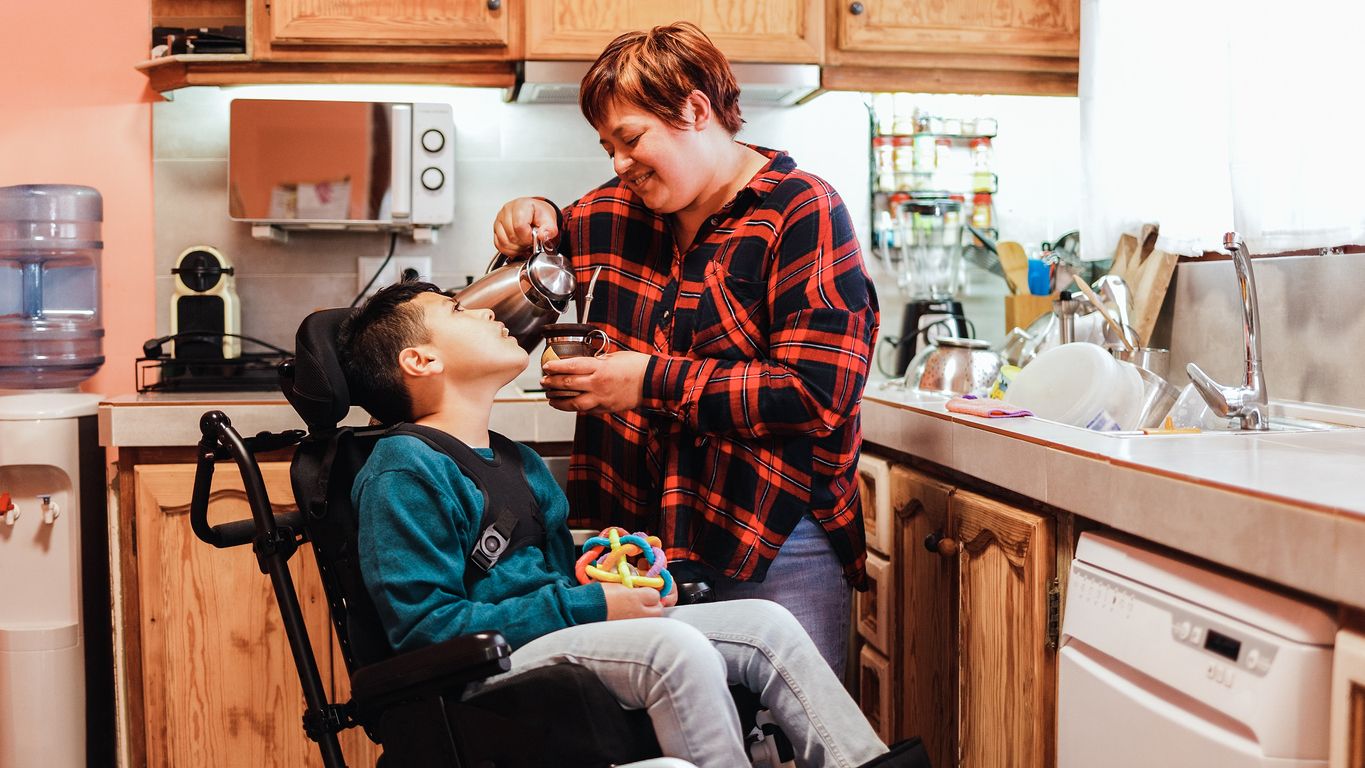
5 Things To Know About Children’s Respite Care
Family caregivers of children with special needs are no strangers to complex care routines. Whether you’re a new or experienced caregiver, juggling the needs of your child with work or life responsibilities can quickly become overwhelming.
At Trualta, we know the vital roles that support and education play in helping navigate your caregiving journey. Check if you have free access to our extensive learning library and caregiving support resources.
Spotlight: Caregivers Of Children With Special Needs
While being a parent of a child can be an incredibly rewarding experience, it’s not without its stressful situations and uncertainty! You spend a lot of time “learning on the job”, asking others for advice, and doing your own research.
For caregivers of youth with special health care needs, these stresses may be magnified by:
- Navigating the healthcare system
- Advocating for your child’s needs in school, therapy, healthcare, or community
- Managing health or care routines and appointments
- Researching funding or other supports
The number of children with special healthcare needs is increasing. Research shows that about 19% of children in the United States have a special healthcare need. In most cases, this means that their families are the ones managing their care–on top of balancing the needs of others in the family unit and household responsibilities.
What Is Respite Care?
Over time, managing and coordinating all of the moving parts of special needs care can become overwhelming. Children’s respite care allows caregivers to get temporary relief from caregiving responsibilities. This break can last a few hours to a few days. It allows caregivers to engage in other activities to rest and recharge.
Family caregivers may use respite care services as time for:
- Running errands
- Attending appointments
- Socializing with friends or loved ones
- Resting or relaxing
- Engaging in a hobby
Respite services may be new for you and the child you care for. While every respite program is different, here are 5 things you should know about respite care.
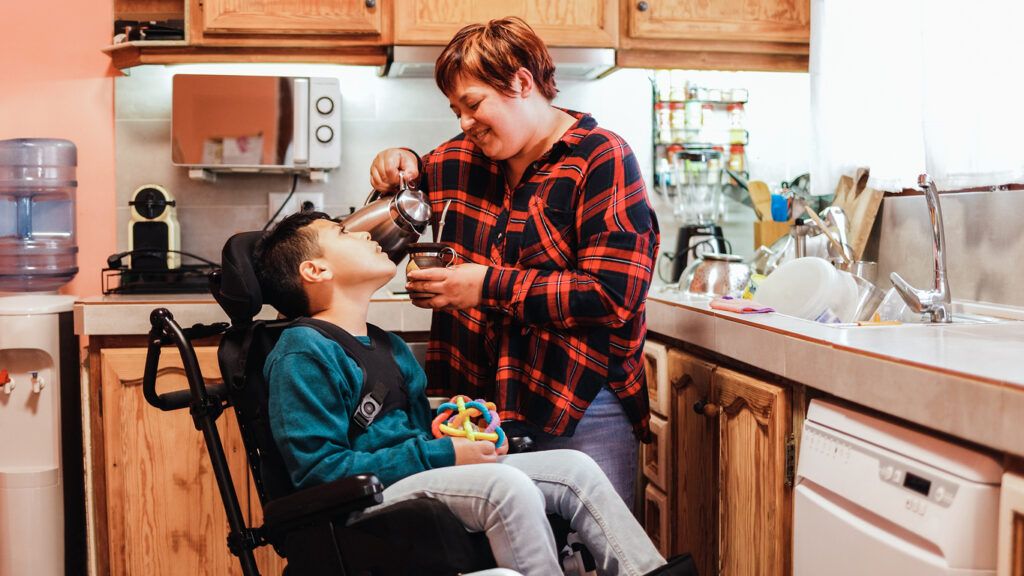
5 Key Facts About Children’s Respite Care
1. Respite Benefits Caregivers’ Well-Being
Some caregivers may struggle to know when to access respite care for their child. Generally, respite can be the most helpful when it is:
- Accessed early in the caregiving journey
- Used regularly (at least once per week)
- Used with a plan for restful activities
- Used with other kinds of assistance or services
Many family caregivers report that respite care is an essential part of caregiving for their child with special health care needs. It may help caregivers of children:
- Reduce stress
- Feel a sense of stability, support, and freedom
- Improve marital quality
- Regenerate their reserves
- Feel “normal” again
2. There Are Different Kinds Of Respite
The type of respite care you access will depend on your child’s unique needs. Generally, respite care can be provided in settings like:
- Day programs at a healthcare facility, school, or faith-based organization
- Community-based agencies
- Residential facilities
- Sleepaway camps
- The home of a host family or other family member
- Your home
3. Respite Service Options & Requirements Depend On Your State
Whether your child’s needs involve mental health, a developmental disability, or a complex medical condition, you may be able to access specialized respite care services depending on your state.
Some states may differentiate between respite and “skilled respite” services. Skilled respite involves the delivery of services for children who require a higher complexity of care than a regular respite program. It’s provided by qualified healthcare professionals like:
- Registered Nurses (RN)
- Licensed Practical Nurses (LPN)
- Licensed Nursing Assistants
Your state may have different training and licensure requirements for respite care providers.
Asking about this and the level of care provided can be important questions to ask when considering candidates.
4. Financial Support Is Available
Respite care costs can add up. Certain programs can provide coverage or financial support, depending on whether your child meets eligibility requirements.
- Children’s Medicaid Waivers. Children with disabilities may qualify for waivers that cover respite costs. These can vary from state to state. You can talk to your local department of developmental disabilities to learn more.
- Your state’s lifespan respite care program (if available) may offer respite vouchers or grants.
- Private funding from some organizations like:
- Easterseals
- The Arc
- The Autism Society
- The National Organization for Rare Diseases (NORD)
- Military childcare benefits may cover respite care.
- Some faith-based organizations may provide respite at low or no cost. If you pursue this option, ensure your child’s needs will be met.
5. Self-Direction Is An Option
Caregivers may face barriers to accessing respite, like:
- Location
- Transportation
- Concerns about who is providing the respite care
Self-directed care is an option for Medicaid-eligible children that allows family or friends to be paid for their respite services. Check to see if your state allows self-directed respite services for children and youth.
Friends or relatives can receive training to become qualified respite care providers. Accessing trusted friend or family support may help alleviate some of the concerns or barriers caregivers experience when using respite care services.
Interested in accessing Trualta’s caregiver training and community of caregivers? Check if you have free access.
References
- https://pmc.ncbi.nlm.nih.gov/articles/PMC6202162/
- https://publications.aap.org/aapnews/news/25081/Respite-services-vital-for-caregivers-of-children?autologincheck=redirected
- https://archrespite.org/wp-content/uploads/2022/09/Lund_TLCRespiteBrochure_2014.pdf
- https://pmc.ncbi.nlm.nih.gov/articles/PMC7232777/
- https://kidshealth.org/en/parents/respite-care.html
- https://archrespite.org/caregiver-resources/how-to-pay-for-respite/
- https://www.kidswaivers.org/
- https://nashp.org/state-medicaid-approaches-to-respite-care-for-children-and-youth-with-chronic-and-complex-needs/