Best Activities For Dementia Patients To Stay Engaged
Dementia can be challenging for both patients and caregivers. Engaging in activities can help improve quality of life, stimulate cognitive function, and provide emotional comfort. As the disease progresses, your loved one may struggle with memory loss, confusion, and changes in mood or behavior. However, structured and enjoyable activities can bring moments of joy, improve mental and physical health, and create meaningful connections between caregivers and loved ones. From music therapy to sensory engagement, there are countless ways to keep dementia patients involved in daily life, enhancing their sense of purpose and overall well-being.
In this article, we’ll discuss:
- The importance of keeping dementia patients engaged
- Planning meaningful activities
- Examples of engaging activity
- Tips for caregivers
Are you interested in learning more about caring for individuals with dementia? Check to see if you have free access to Trualta’s resources here.
Importance Of Keeping Dementia Patients Engaged
Keeping dementia patients engaged is crucial for several reasons. Engaging activities provide cognitive stimulation, which can help slow the progression of cognitive decline by keeping the brain active and engaged. Participating in enjoyable activities also promotes emotional well-being by reducing depression, anxiety, and agitation, leading to a more positive mood and overall improved quality of life.
Physical health is another important aspect, as movement-based activities help improve circulation, mobility, and overall well-being. Encouraging participation in meaningful tasks gives dementia patients a sense of purpose and accomplishment, which can boost their self-esteem and confidence. Additionally, social engagement is key in reducing loneliness, fostering emotional bonds, and helping individuals maintain connections with others.
Memory enhancement is another benefit of keeping dementia patients engaged. Activities like reminiscence therapy can help trigger memories and improve communication skills, allowing patients to feel more connected to their past. Maintaining a routine through engagement also provides stability, which can minimize confusion and frustration.
Finally, sensory stimulation is essential for dementia patients, as activities that involve touch, smell, and sound help maintain sensory awareness and relaxation. Overall, keeping dementia patients engaged improves their quality of life, enhances their well-being, and supports both their mental and physical health.

Planning Activities
Planning activities for a care recipient with dementia requires patience, flexibility, and understanding of their interests, abilities, and comfort level. Here’s how to approach it:
Assess Their Interests & Abilities
Start by considering your loved one’s past hobbies, preferences, and current abilities. If they enjoyed gardening, include an activity by providing simple tasks like watering plants. If they loved music, play their favorite songs or encourage gentle movement to the rhythm.
Create A Structured Routine
A consistent daily schedule helps reduce confusion and anxiety. Plan activities at the same time each day, ensuring they’re spread out with adequate breaks. Morning activities might be more stimulating, while afternoons could focus on relaxation.
Adapt Activities To Their Cognitive Level
To prevent frustration, tailor activities to their cognitive ability. For example, instead of complex puzzles, offer matching games or simple crafts. If reading becomes difficult, read aloud to them or use picture books.
Incorporate Sensory Stimulation
Dementia patients benefit from activities that engage the senses. Include fun activities like aromatherapy, handling textured objects, or listening to calming sounds to help with relaxation and connection.
Encourage Social Engagement
Isolation can lead to anxiety and depression. Plan simple social activities, like small group sing-alongs, storytelling, or video calls with family. Even sitting together for a shared activity can be comforting.
Prioritize Safety & Comfort
Activities should be safe and appropriate for their mobility level. If they struggle with coordination, avoid activities that require fine motor skills or standing for long periods.
Be Flexible & Observant
Dementia symptoms fluctuate, so watch for signs of distress or fatigue. If an activity isn’t working, shift to something else or modify it. The goal is engagement, not perfection.
Encourage A Sense Of Purpose
Many people with dementia thrive when they feel useful. Involve them in simple household tasks, like folding laundry, setting the table, or sorting objects by color or shape.
Dementia Activity Planning Checklist
Use this checklist to help you plan activities for your loved one. You can print this template or use it digitally to guide you in planning engaging, safe, and enjoyable activities.
1. Understand Your Loved One
✅ What are their past hobbies and interests?
✅ What are their current abilities and limitations?
✅ What time of day are they most alert and engaged?
✅ Are there any sensory preferences (e.g., music, touch, scents)?
2. Choose The Right Activity
✅ Is the activity appropriate for their cognitive level?
✅ Does it encourage social interaction or engagement?
✅ Can it be modified if needed (simplified or adapted)?
✅ Is it safe and free from hazards?
3. Prepare The Environment
✅ Is the space clutter-free and calming?
✅ Do you have all the necessary materials ready?
✅ Are distractions minimized (such as TV or loud noises)?
4. Engage & Observe
✅ Give clear, simple instructions.
✅ Demonstrate the activity if needed.
✅ Encourage participation without pressure.
✅ Watch for signs of enjoyment or distress.
5. Adjust As Needed
✅ Modify the activity based on their mood and response.
✅ Offer breaks if they seem tired or frustrated.
✅ Celebrate small successes and participation.
6. End On A Positive Note
✅ Thank them and provide positive reinforcement.
✅ Transition smoothly to a calming activity if needed.
✅ Reflect on what worked well for future planning.
Engaging Activities For Dementia Patients
There are numerous ways to keep dementia patients engaged, and the key is to tailor activities to their interests, abilities, and comfort levels. Below are some of the best activities designed to enhance their well-being and provide joy in their daily lives.
Gardening
Gardening is a therapeutic activity that allows dementia patients to connect with nature. Simple tasks like watering plants, pulling weeds, or planting flowers offer sensory stimulation and a sense of purpose.
Art & Craft Activities
Creative activities like painting, coloring, and sculpting provide a sense of accomplishment and self-expression. Art therapy can also be a soothing outlet for emotions and a great way to enhance motor skills.
Music Therapy
Music has a profound impact on individuals with dementia. Listening to familiar songs can trigger happy memories, elevate mood, and encourage social interaction. It could even help with sundowning. Playing instruments or participating in sing-alongs can be particularly beneficial.
Cooking & Baking
Simple cooking activities like stirring batter or decorating cookies engage the senses and encourage participation. The familiar scents and tastes of favorite recipes can bring comfort and joy.
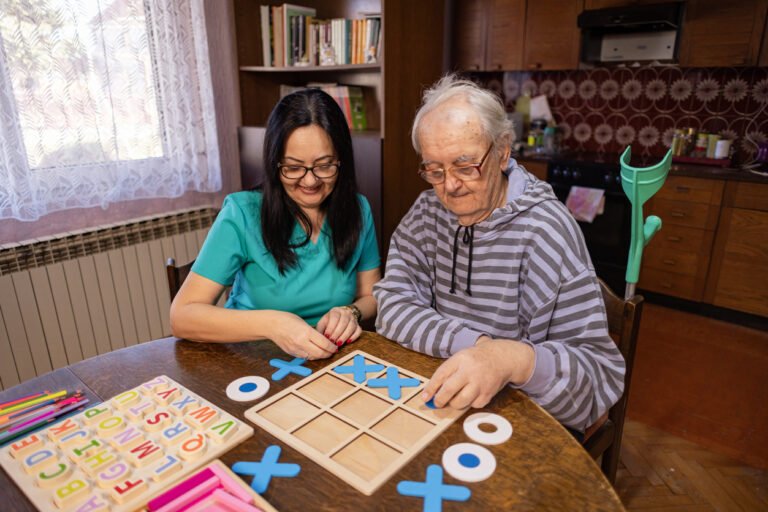
Puzzles & Games
Engaging in puzzles, memory recall games, and simple board games can help stimulate cognitive function. Games that involve matching or sorting can be tailored to the individual’s ability level for maximum enjoyment.
Exercise & Movement Activities
Gentle exercises such as walking, chair exercises, or stretching help improve physical health and mobility. Movement-based activities like dancing or tai chi can also provide a sense of rhythm and relaxation.
Reminiscence Therapy
Looking through old photo albums, watching classic films, or discussing past events can help dementia patients feel connected to their cherished memories. This activity fosters communication and a sense of identity.
Animal-Assisted Therapy
Interacting with pets or therapy animals can be incredibly calming for dementia patients. Petting, feeding, or simply observing animals can reduce stress.
Sensory Activities
Tactile activities such as using fidget rings, feeling different textures, or engaging in aromatherapy can provide soothing sensory stimulation for dementia patients.
Social Engagement & Group Activities
Participating in group activities like storytelling or community events helps combat loneliness and encourages social interaction, which is vital for emotional well-being.
Tips For Caregivers
Caring for a dementia patient can be both rewarding and challenging. Here are some essential tips for caregivers:
- Patience & Flexibility: Caring for a dementia patient requires patience. Some days, they may be eager to engage, while others, they may be withdrawn. Instead of pushing activities, focus on their mood and energy levels, adapting as needed.
- Create a Safe, Familiar Environment: Familiar surroundings and routines help dementia patients feel secure. To enhance comfort, keep activity areas well-lit, clutter-free, and filled with familiar objects.
- Encourage Independence: Even small tasks, like folding napkins or sorting colored objects, can instill a sense of purpose. Allow them to complete tasks at their own pace, and avoid stepping in too quickly.
- Manage Frustration: Frustration can happen when tasks feel too complex. Break activities into small, manageable steps and offer encouragement rather than correction. Praise effort over results to foster a positive experience.
- Use Multi-Sensory Approaches: Dementia patients respond well to activities that engage multiple senses. Consider pairing music with movement, offering scented lotions during hand massages, or using textured fabrics for sensory stimulation.
- Emphasize Connection Over Perfection: The goal of activities is not perfection but engagement and connection. Even if an activity doesn’t go as planned, the time spent together is what truly matters.
- Match Ability: An activity should match your loved one’s ability, ensuring they remain engaged without experiencing frustration or distress. If an activity is too difficult, your loved one may become agitated, while something too simple may not provide enough stimulation.
- Seek Support & Education: Join caregiver support groups and stay informed about dementia care. Caregivers can seek education through various avenues, such as online resources, local workshops, caregiver training programs, or even through Alzheimer’s and dementia organizations.
Conclusion
Incorporating meaningful activities for dementia patients can significantly improve their overall well-being. Tailoring daily activity to their interests and abilities ensures they remain engaged, happy, and connected with their surroundings. Caregivers should encourage participation without pressure and create a supportive, enjoyable environment for their loved ones.
Interested in more information and resources about caring for a loved one with dementia? Click here to see if you have free access to Trualta.
References
- https://www.nia.nih.gov/health/alzheimers-caregiving/adapting-activities-people-alzheimers-disease
- https://www.alz.org/help-support/caregiving/daily-care/activities#:~:text=These%20types%20of%20activities%20could,Try%20again%20later.
- https://www.verywellhealth.com/reminiscence-as-activity-and-therapy-97499