Cancer Treatment: A Caregiver’s Guide
Cancer patients have a lot of treatment options, which can be overwhelming. As a caregiver, learning more about these options can help you provide better care. It allows you to manage treatment plans better, keep appointments, and address and manage side effects.
Specialists lead cancer care, but the care teams are increasingly including caregivers in the process. Your role may include helping your loved one make decisions about care. You can do this better if you have at least a basic understanding of how cancer is treated.
Want more in-depth cancer information or caregiving resources? Check to see if you have free access to Trualta.
What Do Caregivers Need To Know About Cancer Treatment?
While caregivers aren’t usually directly involved in treatment, they are part of the cancer care team. You can provide better care for your loved one if you have a basic understanding of the cancer treatments they’ll be undergoing. These are some of the important things you should know about your care recipient’s cancer care:
- The specific treatments your loved one will be receiving
- The timeline for treatments
- Any medications your care recipient needs and your role in organizing or administering them at home
- Expected side effects of the treatments and how you can help manage them
- When to call a doctor or other member of the cancer care team with concerns
How Are Cancer Treatments Planned?
There is no single treatment for cancer. Cancer care teams create individualized treatment plans for each patient, often involving more than one type of treatment. These plans can change over time.
Treatment plans for cancer vary depending on several individual factors. Cancer type is one of the most important factors. For instance, treatment often looks very different for breast cancer versus pancreatic cancer. Blood cancers require different treatment than solid tumors, like lung cancer.
Other factors that affect treatment choices include the stage of the cancer, or how advanced it is. The patient’s preferences and goals are now more often taken into account when specialists develop treatment plans. Some patients want to be very aggressive with treatment, while others prioritize comfort and quality of life.
Types Of Cancer Treatments
Cancer research has advanced over the years, from using surgery to remove tumors to the most cutting-edge therapies involving the immune system and medications that target cancer cells. Today, most patients benefit from a multimodal approach. This means they receive more than one type of cancer treatment for the best outcomes. The main treatment is called the primary treatment, and other treatments help maximize the effectiveness of the primary medications.
Chemotherapy
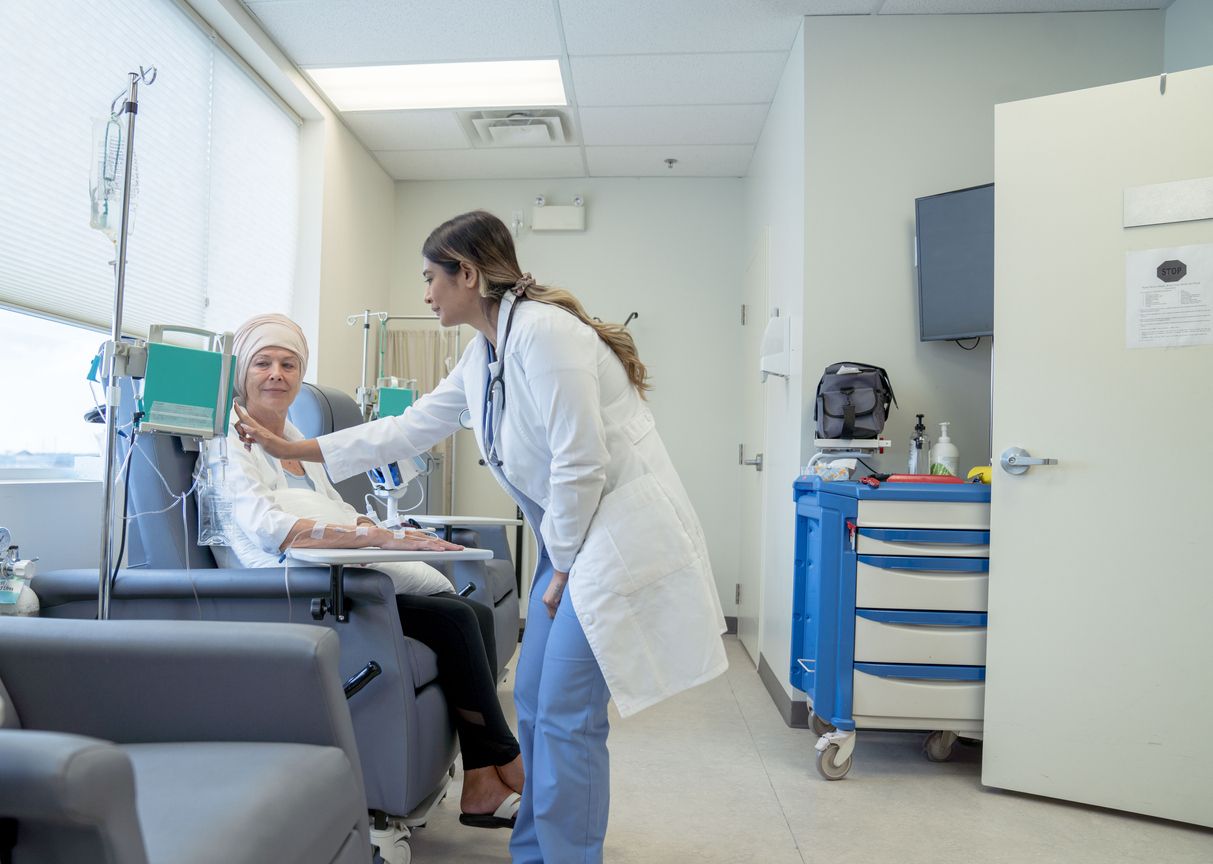
Chemotherapy is one of the most standard and commonly used types of cancer treatment. It uses drugs to kill cancer cells or stop cancer cells from dividing. Depending on the stage and type of cancer, chemotherapy drugs are given as an infusion, an oral pill, or an injection.
Many patients need chemotherapy as an intravenous infusion, which is when the medication is directly delivered into the patient’s veins. The treatment takes place at a hospital or infusion center and can take several hours. Your loved one may receive several infusions over the course of weeks or months.
Side effects of chemotherapy vary, but are often significant. This is because it is a systemic therapy. The cancer drugs circulate in the body and kill many healthy cells along with cancer cells. Some of the most common side effects are fatigue, nausea, vomiting, hair loss, infections, mouth sores, appetite changes, and anemia.
Cancer Surgery
Cancer surgery is used to physically remove tumors or areas of tumor growth from healthy tissue. It is typically used when the cancer is localized to one organ or part of the body. Widespread cancers and blood cancers cannot be treated with surgery.
Surgical techniques have advanced over the years to include less invasive procedures, shorter recovery times, and fewer complications. Even with these advances, surgery is still a big deal and can cause complications and side effects. These include pain, infection, bleeding, and blood clots.
Radiation Therapy
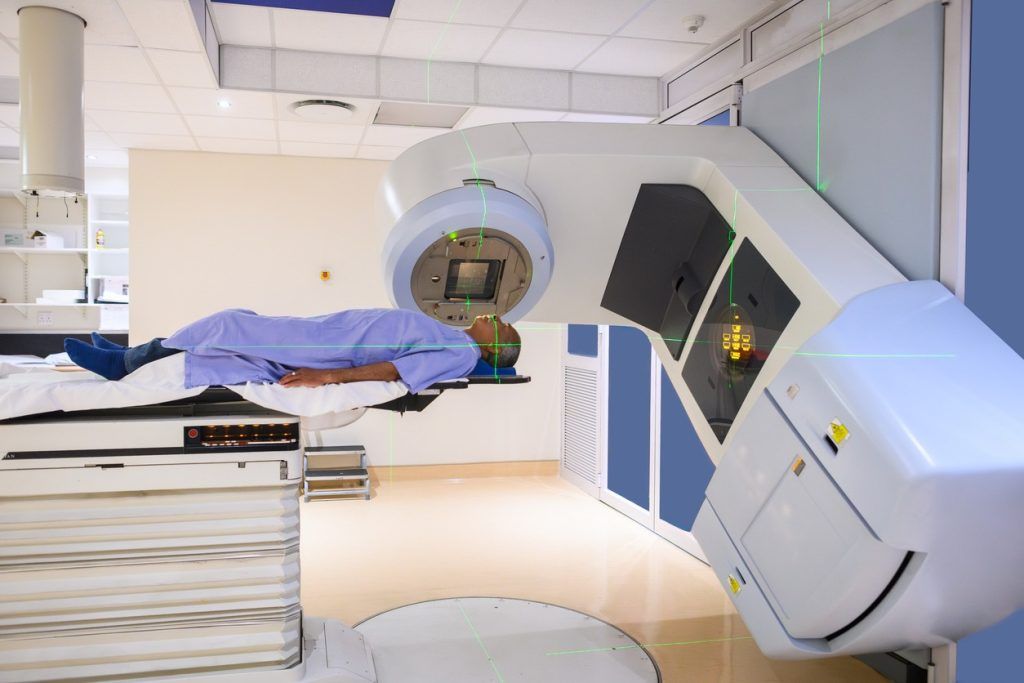
Radiation therapy uses radiation, which is a beam of high-energy particles. The beam is aimed at tumors to kill cancer cells. It is a more targeted therapy than chemotherapy, but it still damages and kills some normal cells while also killing cancer cells.
Session times are typically less than an hour. Many patients receive radiation therapy multiple times over several weeks. Common side effects of radiation therapy are fatigue, hair loss, skin rashes, and changes in appetite.
Immunotherapy
Immunotherapy is a newer type of cancer treatment. There are several types of immunotherapy, but they all act on the patient’s immune system cells, like T cells, in some way to help them kill cancer cells.
Immunotherapy may be delivered as an infusion or as an oral medication. Common side effects include reactions at the injection site, flu-like symptoms, vomiting or diarrhea, and infections.
Less Common Cancer Treatments
Ongoing cancer research has led to the development of more types of treatment than ever before that target and kill cancer cells. Not all patients are good candidates for them, but these are some of the newer, less common treatments you might hear about:
- Targeted Therapy. Targeted therapy uses drugs that are more precise than chemotherapy drugs. They are designed to target specific parts of cancer cells, preventing them from growing, dividing, and spreading. It spares more healthy cells than chemotherapy.
- Photodynamic Therapy. This type of treatment is also more precise. It uses drugs that do not act on cancer cells until activated by light. It is typically only used for localized tumors.
- Hormone Therapy. Hormone therapy is used for cancers that rely on hormones to develop, including breast cancer and prostate cancer. The treatment either blocks natural hormones that allow tumors to grow or interferes with the hormones.
- Stem Cell Transplant. For this treatment, the patient gets an infusion of stem cells to treat blood cancers or promote recovery after harsh treatments, like chemotherapy. The stem cells may come from the blood or from a bone marrow transplant.
Where To Find More Cancer Information
This is a very basic overview of cancer treatments. Once you know more about your loved one’s specific treatment options, you can learn about them in more detail. Their care team is a great resource. Ask as many questions as you need to feel comfortable about treatment decisions.
These are some additional online sources with reliable, detailed information about cancer and cancer treatments:
You don’t have to become an expert, but the more you know about cancer treatments, the better care you can provide for your loved one.
References
- Memorial Sloan Kettering Cancer Center. (n.d.). Guide for caregivers.
- National Cancer Institute. (n.d.). Types of cancer treatment.
- Texas A&M University. (2025, December 3). Expert calls for greater role of family caregivers in cancer care decisions.