CPAP Machine: A Caregiver’s Complete Guide
A continuous positive airway pressure (CPAP) machine is a device that some people use to help them get the oxygen they need while they sleep.
The CPAP machine is sometimes called a “sleep apnea machine” because it is used by people who have obstructive sleep apnea. Sleep apnea is a condition where someone stops breathing for short periods of time while they sleep. CPAP machines are used for sleep apnea treatment.
In this article, we will learn how a CPAP machine works, why someone might wear one, and what might happen if they forget to use it. If you want to learn more about breathing disorders, check to see if you have free access to our library of resources.
What is a CPAP Machine?
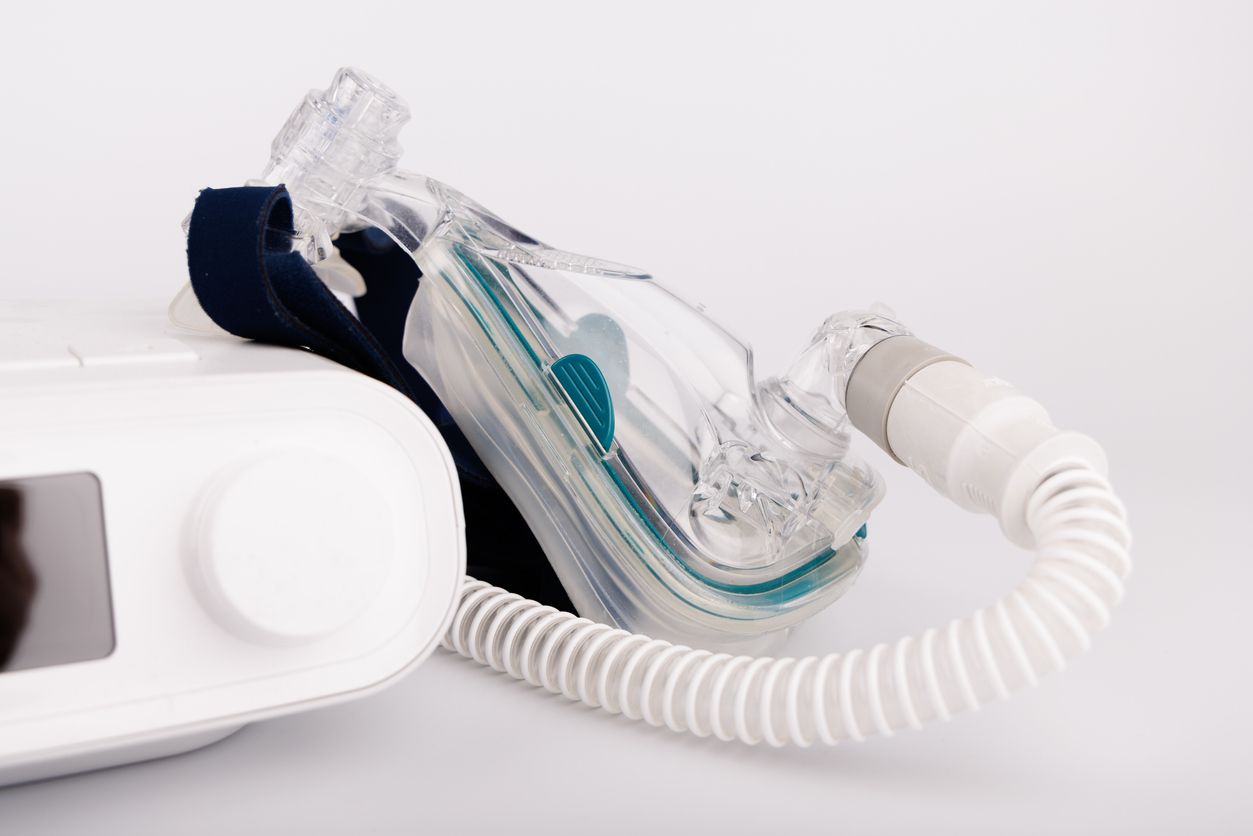
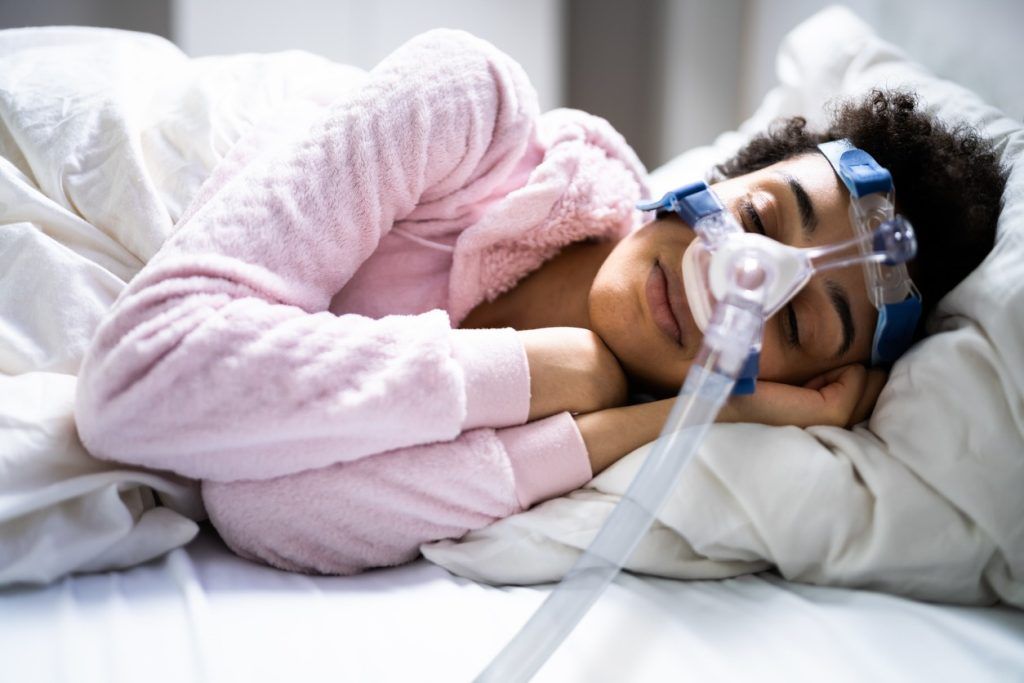
A CPAP machine is a device that someone wears on their face at night to help keep their airways open while they sleep. Sometimes the machine covers just the nose, and sometimes it covers the nose and the mouth. When someone uses a CPAP machine to help them sleep, it is called CPAP therapy.
There are multiple components of a CPAP machine:
- The mask is the main component, containing either nasal pillows, a nose mask, or a mouth and nose mask combination that straps to your face.
- Air tubing connects the mask to the concentrator, where air is generated.
- A heated humidifier is used to warm the air to prevent your mouth and nose from becoming dry and uncomfortable.
- Every CPAP has a water chamber that should be filled with distilled water to humidify the air.
- A filter is also used to clean the air entering your nose or mouth.
- The power supply is the generator that the mask hooks up to.
What is Sleep Apnea and How Does a CPAP Help?
Sleep apnea is one of the most common breathing disorders. It is a condition where the muscles in the breathing tubes relax. A person’s airways becomes narrow or even collapses. These blockages lead to small pauses in their breathing called apnea.
Some ways to tell if the person you care for has sleep apnea include:
- Loud snoring
- Waking up gasping for breaths
- Noting small pauses in breathing when your care recipient sleeps
- A consistent feeling of not being rested
During CPAP therapy, a CPAP machine blows pressurized air through a CPAP mask into the nose or mouth, creating continuous positive airway pressure to keep the airway open. The constant pressure prevents airway collapse and eliminates apneic events throughout the night. An apneic event is when the body involuntarily pauses breathing for 10 seconds or longer. Your care recipient’s doctor will decide the right pressure setting for their CPAP machine based on how bad their sleep apnea is.
The sequence of air moving through the CPAP machine includes:
- Air from the environment is taken into the machine
- It is filtered and warmed up, and goes through the tubing
- The tubing is connected to the mask, which then moves the air into the nose or mouth to keep the airway open.
Benefits of Using CPAP Machines
If a doctor recommends that your care recipient use a CPAP machine, they should listen to this advice. There are many benefits to using a CPAP, including:
- Improved sleep quality
- Decreased snoring
- Improved energy and overall mood during the day
- Decreases strain on the heart
- Lowers blood pressure
Drawbacks of Using a CPAP Machine
Using a CPAP can lead to some side effects, though minimal. These include:
- Skin irritation from the mask
- Dry nasal passages, in some extreme cases, nose bleeding can occur
- Dry mouth
- Discomfort initially when getting used to the mask
Despite these less-than-ideal drawbacks, the benefits still outweigh the side effects. Using a heated humidifier can address air dryness, and using padding and lotion can address skin irritation from the mask.
Tips for Using a CPAP Machine
Mask Size & Fit
Sometimes the CPAP machine mask can be too big or too small. Some ways your loved one may know the mask isn’t fitting properly include feeling air leaking around the mask or hearing an alarm on the machine.
It is also important to note that the mask has adjustable straps that go around your head. If the mask does not fit correctly, try adjusting the straps first. If this doesn’t fix the problem, reach back out to your healthcare provider or durable medical equipment supplier to see whether a different mask size might be needed.
CPAP Maintenance and Cleaning
It is important to keep the CPAP supplies and machine clean by completing daily and weekly washouts of the pieces. Keeping all the CPAP supplies clean eliminates viruses and bacteria that can live in the tubing and the mask. Some machines come with instructions on recommending a cleaning schedule and what to use to clean the parts.
If your care recipient’s device doesn’t have these instructions, warm water and mild soap is usually a safe bet to clean CPAP machines and CPAP accessories.
A suggested cleaning schedule for the parts is:
- Daily cleaning: wiping down the mask and drying the humidifier to get rid of extra moisture
- Weekly cleaning: clean the mask, tubing, and humidifier
Pay attention to your filter. Some filters are disposable and can be thrown away after recommended usage. If not, your filter should be cleaned with soap and water.
Traveling with the CPAP
Using a CPAP machine does not mean that your care recipient cannot travel. Although your loved one can buy a smaller, more compact travel CPAP, it is not always necessary. With just a bit of planning and strategic packing, you and your care recipient can still take trips. Here are some suggestions:
- When packing CPAP equipment, be strategic with how you cushion and store each component to prevent damage during transit.
- Bring an extra battery pack.
- Pack extension cords.
- TSA allows for CPAP machines in checked and carry-on bags. Consider packing in a carry-on to prevent damage and keep it safe.
- Consider using a travel CPAP machine as a lighter-weight option for frequent travelers. An example of a portable CPAP machine is the Luna TravelPap.
Common Problems with Use of a CPAP Machine
As a caregiver for someone who uses a CPAP, it is helpful to know about common problems and solutions as they get used to the device.
Poor Tolerance and Discomfort
Getting used to a large mask on your face can be challenging. Some tricks can help ease into the process and allow your care recipient to improve comfort with the mask:
- Wean into wearing the mask. Have your care recipient wear the mask only for ~1-2 hours during the day to get used to how it feels. Have them work their way up to progressively longer periods of time until they can tolerate it for the whole night.
- Use the ramp feature. Instead of fixed pressure, use ramped pressure to allow for a gradual increase in airflow throughout the night. Your loved one can also ask their doctor about an automatic positive airway pressure (APAP) machine which automatically adjusts the air pressure based on their breathing patterns.
- Ask their doctor to adjust the pressure level. If your care recipient complains that the airflow feels too strong, their doctor may be able to adjust the pressure level to improve comfort.
- Ensure the straps aren’t too tight. Be sure the straps are tight but not so tight that they leave marks on the care recipient’s face.
- Check the air tubing placement. The tubing can pull on the mask, causing discomfort for the wearer. Be sure there is enough slack in the tubing and position it so the care recipient can move around at night.
Skin Irritation or Pressure Sores
Redness, skin breakdown, and irritation are all problems that can happen with the use of a CPAP. Strategies exist that can minimize these pressure injuries, including:
- Use padding and be sure to clean the padding after each use.
- Gentle creams and skin barrier lotions can be used to minimize shear and irritation.
- Hydrocolloid pads can be applied to areas like the bridge of the nose to enhance comfort
- Ensure the mask is not too tight and is the right size for the care recipient.
When your Care Recipient doesn’t want to Use their CPAP Machine
As a caregiver, it is important to remind your care recipient to stay on their CPAP therapy and continue using their CPAP machine for the benefit of the care recipient. Understanding what might happen if they refuse to wear it and educating them about these effects can encourage them to keep wearing it.
Without the use of a CPAP machine, the care recipient will continue to suffer from sleep apnea and will have fatigue during their days. Eventually, not using the CPAP device can lead to chronic stress on the body and long-term effects on their health, such as:
- Increased risk for heart attack and stroke
- Risk of increased blood pressure
- Risk of diabetes
- Continued sleep apnea and pauses in their breathing as they sleep
- Abnormal heart rhythms
If your care recipient continues to refuse to wear their CPAP mask and use their machine, contact their doctor or other healthcare professional.
Conclusion
Use of a CPAP can improve your loved one’s overall health and well-being. The best way to encourage them is to make sure they are properly supported and educated about the reason for wearing it. Caregivers can play an important role in this process. With the right tools, strategies, and knowledge, they can help their care recipients get better rest and live a healthier life overall.
References
- American Academy of Sleep Medicine. (n.d.). CPAP rapidly improves blood pressure and arterial tone in adults with sleep apnea.
- Cleveland Clinic. (n.d.). CPAP machine.
- Emory Healthcare. (n.d.). CPAP treatment.
- Johns Hopkins Medicine. (n.d.). The dangers of uncontrolled sleep apnea.
- Mayo Clinic. (n.d.). CPAP machines: Tips for avoiding 10 common problems.
- Mayo Clinic. (n.d.). Obstructive sleep apnea.
- ResMed. (n.d.). Traveling with CPAP tip sheet [PDF].