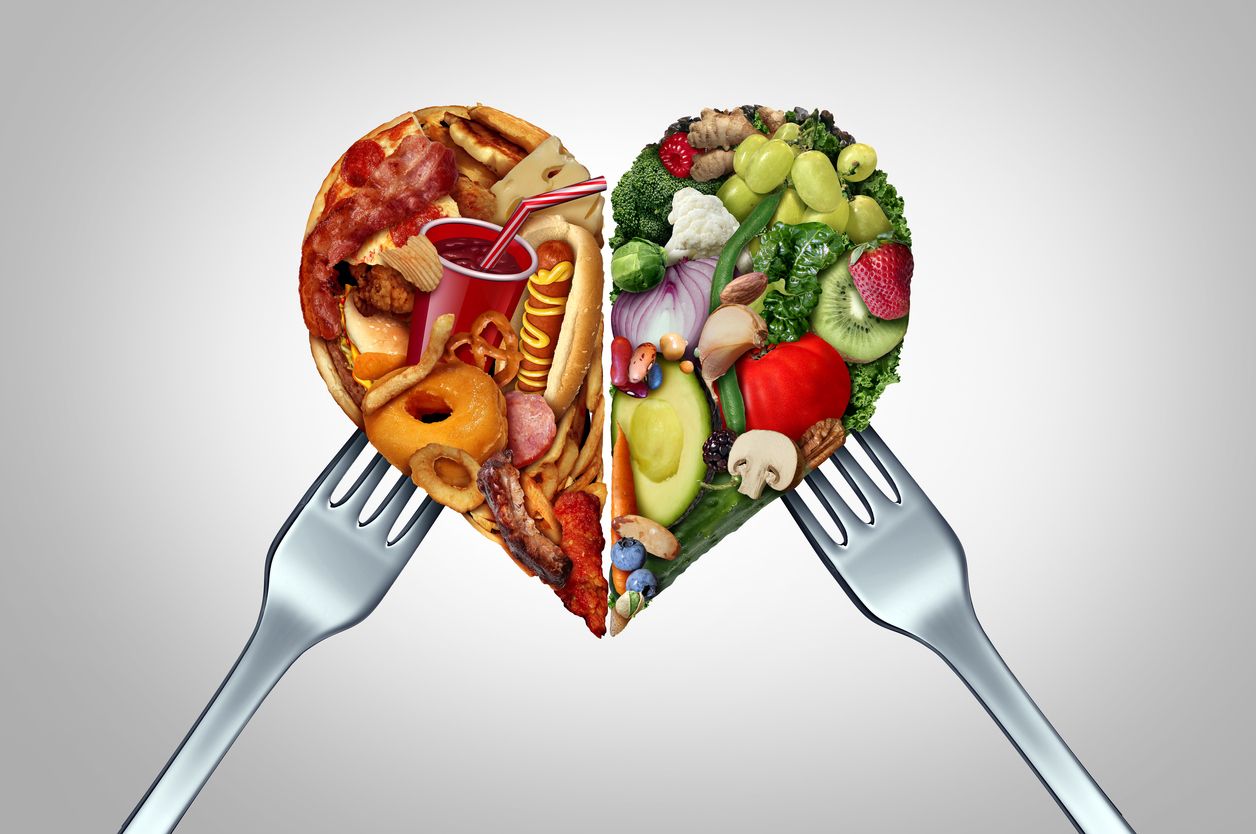
Protect Loved Ones: 40 Worst Foods For Your Heart
Cardiovascular disease is the leading cause of illness and death worldwide. While genetics influences risk, diet has a powerful effect on heart health. Eating patterns that are high in unhealthy fat, sugar, sodium, or processed food can damage the arteries over time and increase the risk of coronary heart disease, heart failure, stroke, and diabetes.
As a caregiver, you play a central role in protecting your loved one’s heart. The meals you prepare can either strain the cardiovascular system or provide support for recovery and prevention. This article reviews 40 foods to limit or avoid and offers healthier alternatives to help you create balanced, heart-protective meals.
Interested in learning more about diet and heart health? Check if you have free access to Trualta’s learning library.
What To Avoid: Foods High In Saturated & Trans Fats
Foods high in saturated and trans fats can harm the heart because they:
- Raise LDL (“bad”) cholesterol
- Lower HDL (“good”) cholesterol
LDL builds up in the arteries, while HDL helps clear it away. Too much LDL causes plaque to form, a condition called atherosclerosis, which raises the risk of coronary heart disease, heart attack, and stroke.
These fats are often found in fried food, processed meat, and commercial baked goods. Processed meats like bacon, ham, and deli meat are especially harmful because they also contain high amounts of sodium. Red meat, while less processed, can still be harmful in large amounts. A 2018 European Heart Journal study found that red meat leads to higher levels of TMAO (trimethylamine N-oxide), a compound linked to heart attack and stroke.
Foods To Limit:
1. Bacon
2. Hot dogs
3. Deli meat
4. Lunch meat
5. Large portions of red meat (beef, pork, lamb)
6. Fried chicken
7. Commercial pastries such as donuts, muffins, or pies
8. Full cream
9. Ice cream
Better Alternatives
- Instead of deli meat or bacon, prepare unsalted turkey or chicken breast.
- Replace margarine with olive oil or avocado oil, both rich in unsaturated fat.
- Swap fried food and fast food meals for grilled or baked options, such as oven-roasted fish or chicken.
- Instead of pastries or ice cream for dessert, choose fresh fruit or low-fat Greek yogurt.
These simple shifts lower cholesterol levels and support long-term cardiovascular health.
What To Avoid: Foods With Added Sugars
Too much sugar harms the heart in several ways:
- Raises blood pressure
- Disrupts blood sugar control
- Increases inflammation
- Contributes to weight gain
Together, these changes raise the risk of cardiovascular disease. The American Heart Association recommends that:
- Men consume no more than about 9 teaspoons of added sugar, or 36 grams, per day.
- Women consume no more than 6 teaspoons, or 25 grams, per day.
Sugar-sweetened drinks are the largest source of added sugar in the American diet. Research shows that drinking one per day increases the risk of heart disease and stroke, regardless of physical activity. Diet sodas don’t contain sugar, but some studies suggest that artificial sweeteners may affect gut bacteria in ways that make weight management more difficult and may also influence heart health.
Sugar also hides in everyday foods. Flavored yogurts, granola bars, sauces like ketchup, and even “natural” sweeteners like agave can add up quickly. Over time, these hidden sugars place unnecessary stress on the heart.
Foods To Limit:
10. Regular and diet soda
11. Fruit-flavored sweetened beverages
12. Sweetened coffee drinks
13. Bottled fruit juices
14. Sports drinks and energy drinks
15. Sweetened sparkling waters
16. Flavored yogurts with added sugar
17. Agave syrup and similar “natural” sweeteners
18. Granola bars
19. Packaged cookies
20. Ketchup
Better Alternatives
- Instead of soda or fruit-flavored drinks, serve water with lemon, lime, or cucumber.
- Replace sports drinks with unsweetened herbal tea or black coffee.
- Instead of flavored yogurts, offer plain yogurt with fresh fruit for natural sweetness.
- Rather than packaged granola bars, choose homemade granola made from oats, nuts, and seeds.
- When your loved one craves something sweet, a smoothie made with frozen fruit and plain yogurt is a heart-healthy way to satisfy them without spiking blood sugar.
What To Avoid: Foods High in Sodium
High sodium intake is a major cause of high blood pressure, which increases the risk of:
- Stroke
- Heart failure
- Other cardiovascular diseases
Most of the sodium people consume comes from packaged and restaurant foods rather than table salt. Research shows that reducing sodium can lower blood pressure and decrease heart disease risk within weeks.
The American Heart Association highlights the “Salty Six,” the six most common sources of hidden sodium in the diet: breads and rolls, pizza, sandwiches, cold cuts, soups, and savory snacks. These foods, along with sauces and frozen meals, deliver far more sodium than most people realize.
Foods To Limit
21. Canned soup
22. Canned vegetables
23. Frozen dinners
24. Potato chips
25. Ramen
26. Seasoned crackers
27. Pizza
28. Bread rolls
29. Marinara sauce
30. BBQ Sauce
Better Alternatives
- Instead of canned soups, make homemade soups with low-sodium broth and fresh vegetables.
- Instead of fast food or pizza, choose fresh salads with lean protein when eating out.
- Prepare sandwiches at home with unsalted turkey or chicken breast, fresh vegetables, and whole-grain bread.
- Replace salty sauces with homemade sauces made from fresh tomatoes and herbs, or use simple olive oil and vinegar for flavor.
- Instead of snacking on chips and crackers, choose unsalted nuts or vegetable sticks with hummus or guacamole.
These swaps reduce sodium intake and support long-term heart health.
What To Avoid: Ultra-processed Foods
Ultra-processed foods are made with refined starches, added sugars, excess salt, and unhealthy fats. They are also stripped of fiber, vitamins, and minerals. Many contain preservatives and additives to improve taste or shelf life.
Research shows that people who eat more ultra-processed foods are more likely to:
- Gain weight
- Have poor cholesterol
- Develop heart disease
Even when calories are the same, meals made with ultra-processed ingredients raise the risk of obesity and heart problems compared to meals made with whole foods.
Foods To Limit
31. Rotisserie chicken
32. French fries and other fried potato snacks
33. Instant noodles with sodium-filled flavor packets
34. Artificially flavored cheese crackers
35. White rice (refined, stripped of fiber)
36. White bread
37. Highly processed plant-based meat substitutes with sodium and additives
38. Energy or protein bars high in sugar and additives
39. Packaged snack cakes (such as Twinkies or Hostess treats)
40. Sugary breakfast cereals
Better Alternatives
- Instead of French fries, Bake sweet potato wedges.
- Swap instant noodles for whole-grain pasta or rice bowls with vegetables and lean protein.
- Rather than white versions, use whole-grain rice and bread.
- Replace processed meat substitutes with lentils, chickpeas, or black beans.
- Instead of sugary energy bars, choose oat bars or nuts.
- Substitute snack cakes or sugary cereals at breakfast with oats or low-sugar whole-grain cereals with fruit.
Conclusion
As a caregiver, you have the power to shape eating habits that protect against heart disease and support long-term health. Key takeaways include:
- Limiting processed foods, fried foods, and those high in sodium or sugar can make a real difference.
- Meals built around vegetables, whole grains, beans, nuts, and heart-healthy fats provide the nutrients needed for a strong heart.
- Even small swaps, repeated daily, add up to lasting benefits for your loved one’s well-being.
References
- American Heart Association. (2020). The Salty Six.
- Anand, S. S., Hawkes, C., de Souza, R. J., Mente, A., Dehghan, M., Nugent, R., … Popkin, B. M. (2015). Food Consumption and its Impact on Cardiovascular Disease: Importance of Solutions Focused on the Globalized Food System. Journal of the American College of Cardiology, 66(14), 1590–1614.
- Godman, H. (2023). Reducing sodium intake to reduce blood pressure and risk of cardiovascular diseases in adults. World Health Organization.
- Godman, H. (2024, June 1). More evidence that ultra-processed foods harm health. Harvard Health.
- Pacheco, L. S., Tobias, D. K., Li, Y., Bhupathiraju, S. N., Willett, W. C., Ludwig, D. S., … Guasch-Ferré, M. (2024). Sugar-sweetened or artificially-sweetened beverage consumption, physical activity, and risk of cardiovascular disease in adults: a prospective cohort study. The American Journal of Clinical Nutrition, 119(3).
- Pang, M. D., Goossens, G. H., & Blaak, E. E. (2020). The Impact of Artificial Sweeteners on Body Weight Control and Glucose Homeostasis. Frontiers in Nutrition, 7, 598340.
- Wang, Z., Bergeron, N., Levison, B. S., Li, X. S., Chiu, S., Jia, X., … Hazen, S. L. (2019). Impact of chronic dietary red meat, white meat, or non-meat protein on trimethylamine N-oxide metabolism and renal excretion in healthy men and women. European Heart Journal, 40(7), 583–594.