SD Learning For Caregivers: How To Reduce Wandering
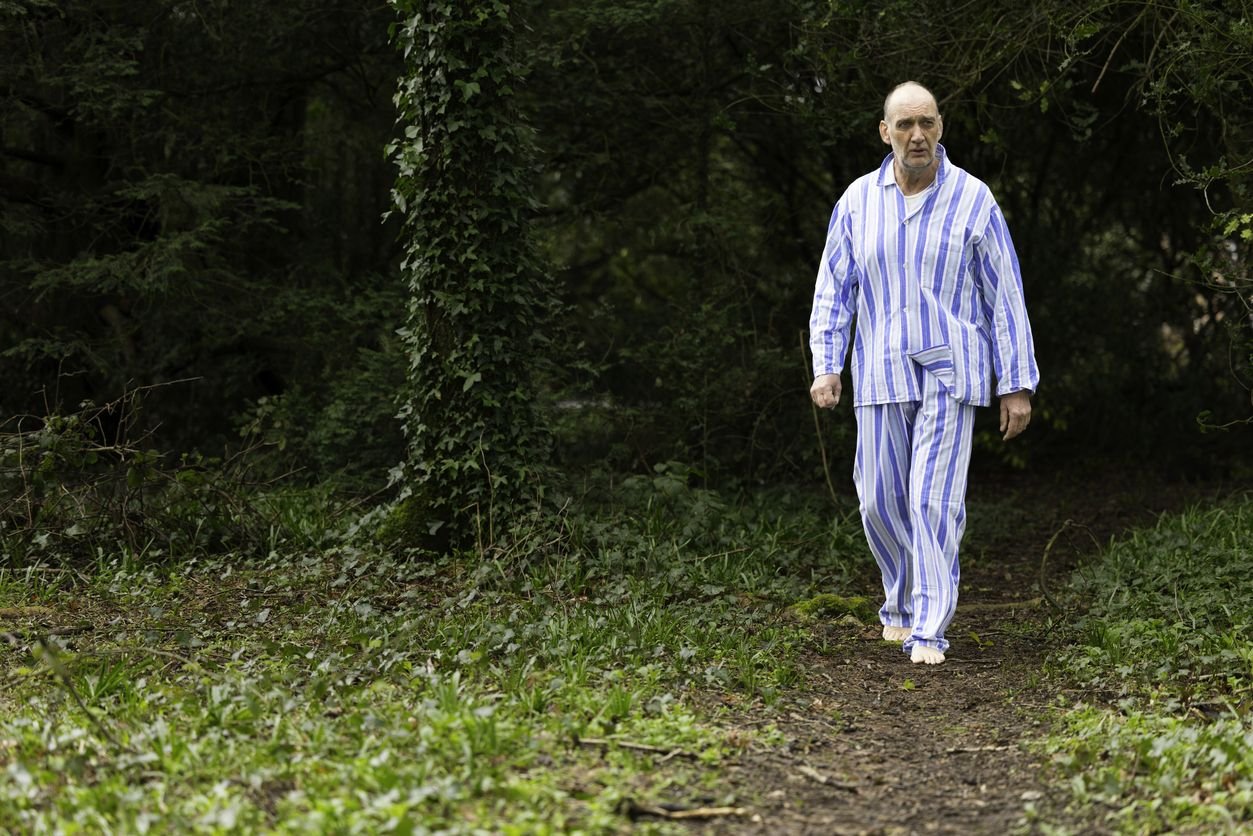
Wandering is a common and concerning behavior in individuals with dementia. This behavior can pose significant safety risks, both at home and in the community. For caregivers in South Dakota, reducing wandering requires a proactive approach that balances safety with the individual’s sense of independence. The information below provides special education to help you minimize wandering and enhance the well-being of your loved one.
Want to learn more? South Dakota residents have free access to Trualta.
Use this link if you live in another state and want to see if you can also access the learning library, online course, and curriculum for free.
Understand The Causes Of Wandering
To effectively address wandering, it’s important to understand why it happens. Individuals with dementia may wander due to:
- Disorientation: Forgetting their location or seeking something familiar.
- Unmet needs: Attempting to address hunger, thirst, or the need for a restroom.
- Anxiety or stress: Feeling overwhelmed by the environment or changes in their routine.
- Boredom: Seeking stimulation or physical activity.
Recognizing these triggers can help caregivers anticipate and prevent wandering behaviors.
Create A Safe Environment
A secure living space is essential for reducing the dangers associated with wandering:
- Secure exits: Install locks or alarms on doors and windows. Consider disguising doors with curtains or decorative panels.
- Establish safe areas: Provide a secure outdoor space, such as a fenced yard or patio, to allow for safe ways to explore outside.
- Remove hazards: Eliminate tripping risks, such as loose rugs and clutter. Secure sharp or dangerous objects.

Establish Routines & Activities
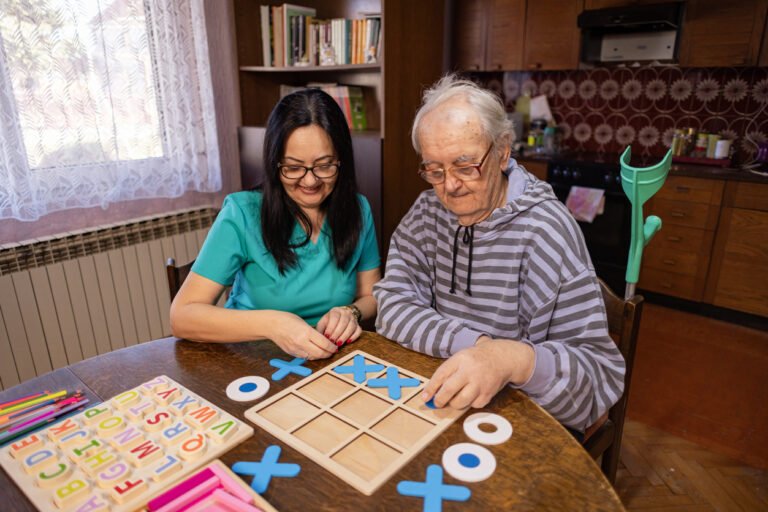
Structured daily routines can reduce restlessness and anxiety, two common triggers for wandering. Include activities where your loved one will find success. These may include puzzles, gardening, or listening to familiar music. Physical activity can also help reduce agitation and the urge to wander.
Use Technology
Modern technology offers valuable tools to monitor and protect individuals prone to wandering:
- GPS tracking devices: Wearable trackers allow you to locate your loved ones quickly if they wander.
- Home monitoring systems: Motion detectors or cameras can alert you to movement during vulnerable times.
- Safe return programs: Consider enrolling your loved one in a program such as the MedicAlert Foundation or Project Lifesaver.
Communicate Effectively
Clear and reassuring communication plays a critical role in preventing wandering. If your loved one appears restless or intent on leaving, gently guide them toward an engaging activity. Use signs, labels, or arrows to help them navigate their environment and reduce confusion. Regular assessment and reflection ensure your communication style is effective for your loved one.
Prepare For Emergencies
Despite the precautions above, wandering may still occur. Education in emergency preparation ensures quicker responses and minimizes harm:
- Maintain identification: Ensure your loved one wears an ID bracelet or carries identification with emergency contact information. Include ways to contact you.
- Keep updated records: Have a recent photo and detailed medical data readily available.
- Inform your community: Alert neighbors, local law enforcement, and community resources, such as a nearby elementary school, about your loved one’s condition.
Seek Support & Resources
Caregiving can be overwhelming, but you don’t have to do it alone. Reach out to local support groups, healthcare providers, and organizations like the Alzheimer’s Association for guidance. Caregiver learning programs, such as those offered by Trualta, can provide tools and strategies to manage wandering and other challenges effectively.
Conclusion
Reducing wandering in individuals with dementia requires understanding, preparation, and a commitment to safety. By creating a secure environment, leveraging technology, and building a support network, you can minimize the risks and improve your loved one’s quality of life.
Learn more about providing assistance to individuals with dementia. South Dakota residents have free access to Trualta.
If you live in another state, visit this website to see if you have free access to our online course and other education resources.
Resources: