When & Why: Scheduling A Fall Risk Assessment
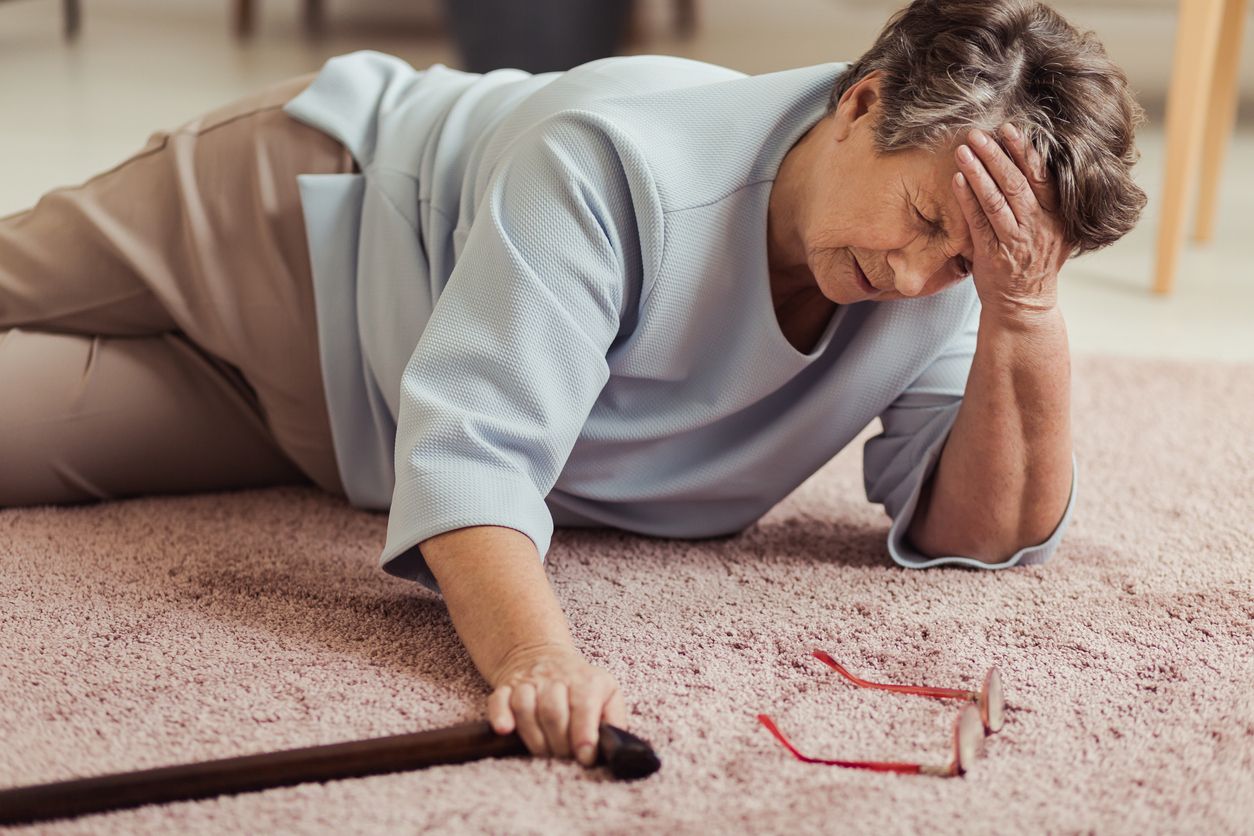
The CDC states that one in five falls can cause serious injury to an adult, such as a head injury or broken bones. As we age, falls can have increasingly significant and devastating effects. The good news is that many falls are preventable with the proper knowledge and resources.
Understanding a loved one’s fall risk is helpful in care planning for your recipient. It can keep them healthy, prevent a fall-related injury, and help them maintain independence as they age.
In this article, we’ll explore the components of a fall risk assessment and when it is time to schedule one.
To learn more about preventing falls, check if you have free access to Trualta’s resources.
What Is A Fall Risk Assessment?
A fall risk assessment is an appointment with a health care provider who examines components of a patient’s life to help determine their fall risk. One could fall into three categories:
- Low risk
- Moderate risk
- High risk
The professional will examine various risk factors in your care recipient’s lifestyle and health, including:
- The environment
- Medications
- Health components like strength, sensation, and balance
- Cognition and vision
Why Is A Fall Risk Assessment Helpful?
A fall risk assessment is helpful for many reasons, including:
- Preventing falls and injuries before they occur
- Making you aware of tripping hazards in your loved one’s living space
- Decreasing healthcare bills and costs
- Allowing the person you care for to be more active and confidently move in their environment
What Does A Fall Risk Assessment Entail?
We will explore the many components of a fall risk assessment below. Each portion targets a different risk factor to best determine a patient’s fall risk.
Initial Screening & History
The first step of a fall risk assessment often involves answering questions about your loved one’s medical history and current mobility status.
The healthcare provider may ask your care recipient things like:
- Have you fallen in the past year?
- Do you feel unsteady on your feet?
- Do you get dizzy when you move around?
- Do you have any chronic conditions? If so, what are they?
- Do you use any assistive devices?
Medication Review
The healthcare professional doing the fall risk assessment will likely examine the type and number of medications your care recipient takes. Often, the more medications that someone takes, the higher the chance that a drug interaction may occur, and thus, the higher the fall risk. Medications can cause unwanted side effects like dizziness, unsteadiness, and confusion. The sooner you can be educated about these, the better equipped you can be to prevent falls.
Functional Testing Of Strength & Balance
A major component of a fall risk assessment involves assessment of the functional status of the individual. This can be done through tests that examine someone’s overall strength and balance. Here are some common fall risk assessments:
- Five Time Sit To Stand Assessment: An individual must go from sitting in a chair to standing five times in a row (depending on the functional status, they may or may not use their hands to push off). The professional will time the individual, and pending the results, can determine their fall risk.
- Timed Up And Go (TUG): This tool looks at an individual’s stability with transfers and gait. An individual must stand from a chair, walk 10 feet around a cone, and return to the chair. They are timed to see how quickly (and safely) they can go, and those that fall below a cutoff point are deemed to be at an increased risk of falls.
- The 4 Stage Balance Test: This assessment tool involves four balance poses that an individual must hold and keep for ten seconds. The poses progressively get harder because the base of support gets smaller for them to balance on. The assessment is scored, and the results are used to determine overall fall risk.
- Berg Balance Scale: This test consists of 14 balance poses and challenges, each scored on a 0-4 scale. Examples include standing with eyes closed, turning in a circle, and standing on one leg. The points are added to a total and used to determine overall fall risk.
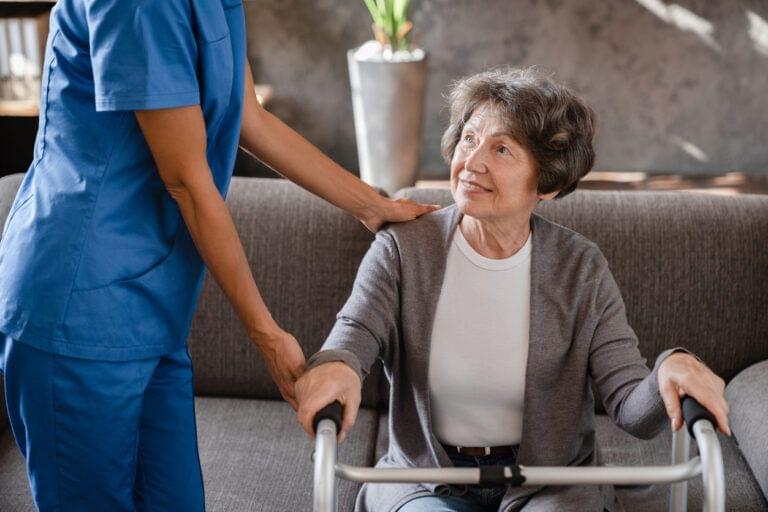
Pending the functional assessment results, the professional may recommend using an assistive device for safety, following up with a physical or occupational therapist, or following an exercise regimen to target the areas that could benefit from improvement.
Assessment Of The Senses & Cognition
Our sensory systems and cognition are key components in preventing falls. Here, we will examine why they are a key component of a fall risk assessment:
- Sensation of the feet is important because it helps us keep our balance and tells us where our body is in space. When someone has decreased sensation in their feet, they are at higher risk of falls, and it is harder for them to correct their balance if they start to fall.
- Vision is another central component of balance. To move around safely, we must be able to see where we’re going. A healthcare provider may assess the vision of your care recipient to determine if they suffer from conditions that are risk factors for falls, like cataracts, double vision, or a visual field cut.
- Cognition is another important factor in fall prevention. A practitioner may give the care recipient cognitive testing to determine memory, judgment, and reasoning skills. The results of these tests may help to determine their fall risk.
Environmental Exploration & Modification
A final component of a fall risk assessment is examining an individual’s environment. Identifying possible external factors contributing to their fall risk can help prevent a fall before it occurs.
Here are some examples:
- Rugs and cords. Additional objects like rugs, cords, and other clutter on the ground make it harder to move around and could be something your care recipient trips over.
- Dim lighting. Areas that are not well lit make it harder to see and harder to move around.
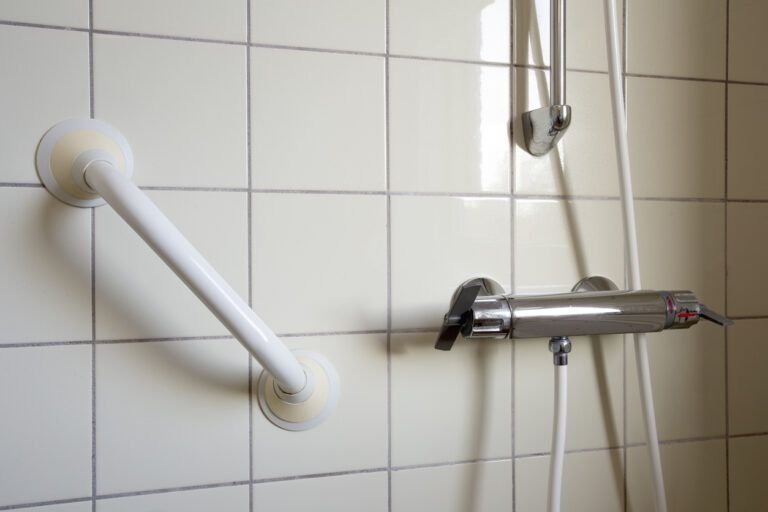
- Steep or unsafe stairs. A common place for falls is the stairs. Stairs without railings and steep stairs pose a big fall risk for individuals. A healthcare professional may recommend moving the care recipient’s bedroom to the main floor or installing railings for additional support and safety.

When Is The Best Time to Schedule A Fall Risk Assessment?
There is no one-size-fits-all approach to when someone should get a fall risk assessment. There are certain life events and factors to consider that may make the importance of a fall risk assessment more of a priority.
Age
As we age, our balance reactions decrease, our vision slowly starts to decline, and we become prone to falls. According to the Cleveland Clinic, a fall risk assessment is recommended and helpful for all adults older than 65.
Recent Falls Or Close Calls
If you notice your care recipient demonstrates increased tripping or falls, it’s time to get a fall risk assessment completed. According to the Centers for Disease Control, “after you fall once, your chance of falling again doubles”. A fall could be the first indication that someone’s balance may be decreasing, they need an adjustment to their medication, or something else is going on.
Change In Mobility
There are things you can notice about the person you care for that indicate they’re slowly getting weaker or losing balance.
Here are some telltale signs to watch for:
- A shuffling gait or more trouble when walking
- Frequently tripping or catching their balance
- Reaching out to steady themselves on counters or furniture
- More difficulty standing up from a chair than they used to
These indicators may mean it’s time to reach out for a fall risk assessment.
Conclusion
Falls are often avoidable with proper screening, early intervention, and prevention strategies. A fall risk assessment can help direct your loved one’s care plan to address their specific needs and risk factors. A risk assessment tool will help your loved one maintain their mobility and prevent future falls. Take the time to have a professional assess their fall risk; they will be grateful for it.
To learn more about preventing falls and safe mobility, check if you have free access to Trualta’s resources.
References
- Cleveland Clinic. (2023, October 12). Fall risk assessment.
- Cleveland Clinic. (2021, August 3). Cognitive test.
- Harvard Health Publishing. (n.d.). Medications that increase your risk of falling. Harvard Medical School.
- MedlinePlus. (n.d.). Fall risk assessment. U.S. National Library of Medicine.
- Centers for Disease Control and Prevention. (2023, September 6). Important facts about falls.
- Centers for Disease Control and Prevention. (n.d.). 4-Stage balance test.