Can Heart Failure Be Reversed With Exercise?
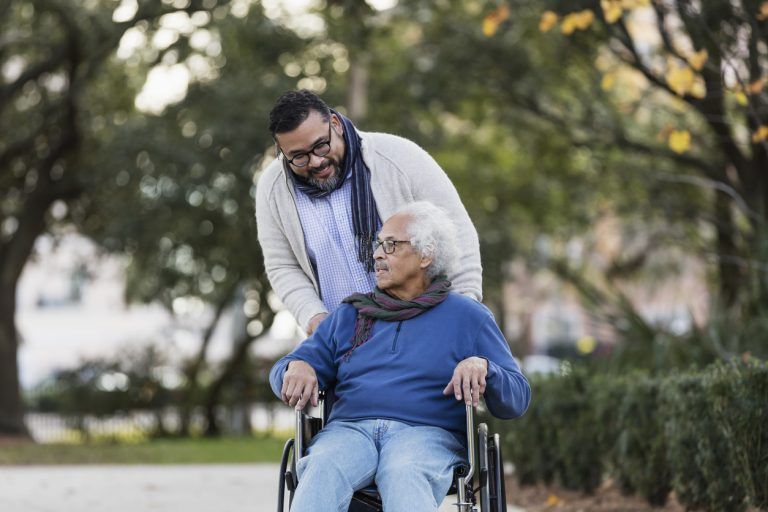
Are you a caregiver caring for someone with heart failure? You may feel overwhelmed navigating big transitions, lifestyle changes, treatment options, and endless information. You or your care recipient may have asked yourself, “Can heart failure be reversed?”
In this article, we’ll describe the role exercise plays in managing heart failure, and whether exercise and physical activity alone can reverse its effects.
Looking for more caregiver resources? Check to see if you have free access to Trualta.
Understanding Heart Failure
Heart failure doesn’t mean the heart has stopped working. Rather, the heart isn’t pumping blood as effectively as normal. Conditions like high blood pressure or a heart attack can eventually lead to heart failure among patients.
Understanding heart failure can help you see how treatments like exercise and medication support the heart.
- In systolic heart failure, the heart muscle is weak and cannot pump enough blood.
- In diastolic dysfunction, the heart muscle is stiff and cannot relax between beats, so it doesn’t fill with enough blood.
Common heart failure symptoms can include:
- Shortness of breath
- Coughing or wheezing
- Swelling of the legs or abdomen
- Fatigue
- Confusion
- Lack of appetite
The Impact Of Exercise
Regular exercise can improve heart function in several ways. For people with heart failure specifically, exercise can improve the heart’s pumping ability and reduce its stiffness, both of which are directly linked to the causes and effects of heart failure. Research states that it’s beneficial for your care recipient to start an exercise program as soon as possible.
In addition, exercise can greatly improve quality of life in many other ways:
- Strengthening exercises help build back skeletal muscle, which is often lost among people with heart failure.
- Exercises improve cardiovascular health as a whole and can work to prevent further complications and reduce hospitalizations.
- Flexibility and mobility can be improved, meaning less risk of injuries and falls.
- Exercise training improves mental health and well-being.
- Exercising with others provides the opportunity for connection, reducing the effects of social isolation and stress.
So, Can Heart Failure Be Reversed With Exercise?
In short, exercise cannot “reverse” or cure heart failure. However, exercise training can have positive effects on heart health, especially when combined with other treatments like medication and a healthy diet.
Creating An Exercise Plan
An exercise plan should be created with guidance from your care recipient’s heart health team. This makes sure it’s safe and effective for cardiac rehabilitation.
An effective exercise plan for someone with heart failure should be:
- Personalized: Tailored to their fitness level, symptoms, and doctor’s recommendations.
- Gradual: Start with short, low-intensity sessions (5–10 minutes) and build up slowly.
- Balanced: Combine aerobic activity, strength training, and flexibility training.
- Monitored: Warning signs include chest pain, dizziness, or unusual shortness of breath.
Here are some tips to make the most out of the exercise plan:
- Find a time of day that works for your care recipient.
- Avoid exercising in extreme temperatures (too hot or too cold) as this can create extra strain on the heart.
- Stay within thresholds that a healthcare professional determines. This threshold can change over time as your care recipient’s exercise capacity improves.
Always consult your care recipient’s healthcare team before starting a new exercise plan. In general, remember to start slow, with 5-10 minutes of exercise at a time. Physical activity can be increased over time to 30 minutes a day, for 3-5 days a week. Best practice guidelines recommend 150 minutes of weekly exercise for adults. The more regular and consistent, the better.
Here are some exercise ideas for heart failure patients to get started:
- Swimming and water aerobic exercise
- Tai Chi
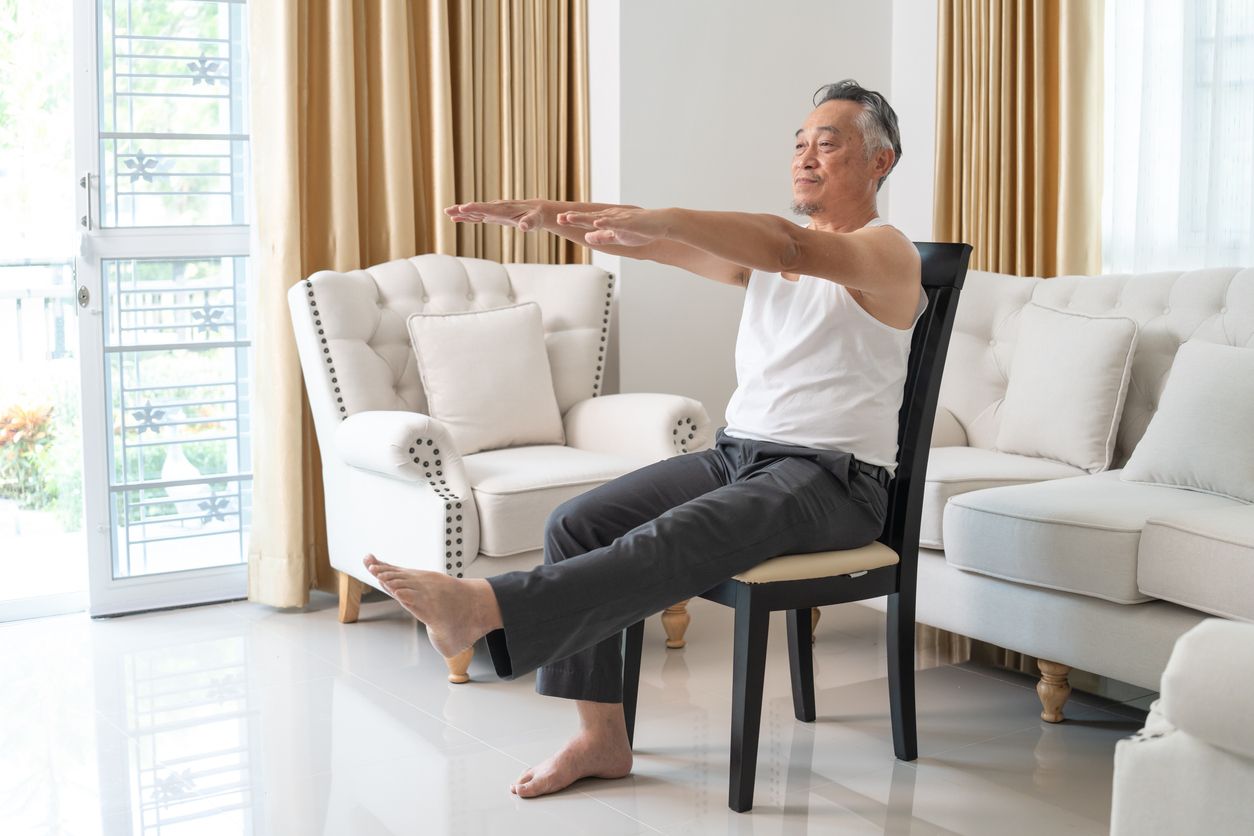
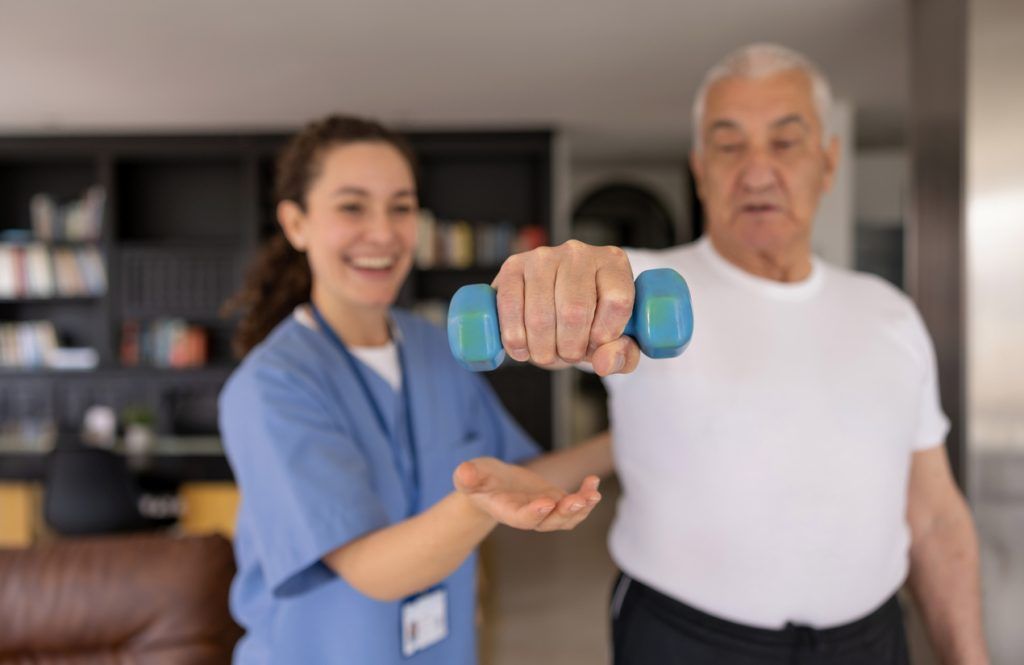
- Chair exercises like knee lifts and arm raises with light weights
- Walking
The Caregiver’s Role
As a caregiver, you can have a big impact on your care recipient’s exercise journey.
Safety
Help your care recipient by:
- Monitoring symptoms of concern while they’re exercising. Watch for signs that they should stop. For example, extreme shortness of breath, heart palpitations, or lightheadedness.
- Offering hands-on assistance when needed, like for balance and stability.
- Setting up tools and equipment that improve safety, like a chair or a walking stick.
- Coordinating appointments with healthcare providers to ensure exercise is safe and effective.
Encouragement & Participation
Help your care recipient by:
- Joining them in a regular exercise routine. A research study found that this can make it easier for them to stick to their exercise treatment plans.
- Offering verbal encouragement and praise for their efforts and progress.
- Offering options for exercise if they’ve lost interest in a previous routine.
- Tracking progress to show them the positive effects of their exercise.
Key Takeaways
Exercise can’t reverse or cure heart failure. However, a consistent, regular exercise plan created with your care recipient’s healthcare team can:
- Have a great impact on cardiac rehab
- Improve the function of the heart
- Improve overall quality of life
As a caregiver, you can play a big role in heart disease control by supporting your care recipient in sticking to their exercise schedule and cardiac rehabilitation.
Want more resources like this? Check to see if you have free access to Trualta.
References
- American Heart Association. (2025). Types of heart failure.
- American Heart Association. (2025). Heart failure signs and symptoms.
- Bilodeau, K. (2022). Exercise may heal the heart as well as prevent future problems. Harvard Health.
- British Heart Foundation. (2019). Exercise for heart failure: Tips for exercising safely.
- University of Utah. (n.d.). Is heart failure reversible? What you need to know about the role of lifestyle and medicine. CVRTI.
- Collins, Z. C., Suskin, N., Aggarwal, S., & Grace, S. L. (2015). Cardiac rehabilitation wait times and relation to patient outcomes. Eur J Phys Rehabil Med, 51(3), 301-309.
- American Heart Association. (2024). American Heart Association recommendations for physical activity in adults and kids.
- Zhang, M., Huang, L., Cai, S., Xiang, X., Fang, Y., & Shao, R. (2023). Couple-Based exercise program for post-PCI patients to improve cardiac rehabilitation exercise compliance.