Different Types Of Caregiver Jobs Explained
If you’ve ever searched for caregiver jobs online, you’ve probably noticed many different positions available. That’s because caregiving is a diverse and fast-growing field offering many opportunities to work with people of different ages, needs, and backgrounds.
Whether you’re looking for a part-time role close to home or want to build a long-term healthcare career, understanding the different types of caregiver jobs is the first step toward finding the right fit.
This guide breaks down the most common caregiver roles, what each involves, and how to decide which job matches your interests and skills.
Are you interested in learning more about caregiving? Check to see if you have free access to Trualta.
What Is A Caregiver Job?
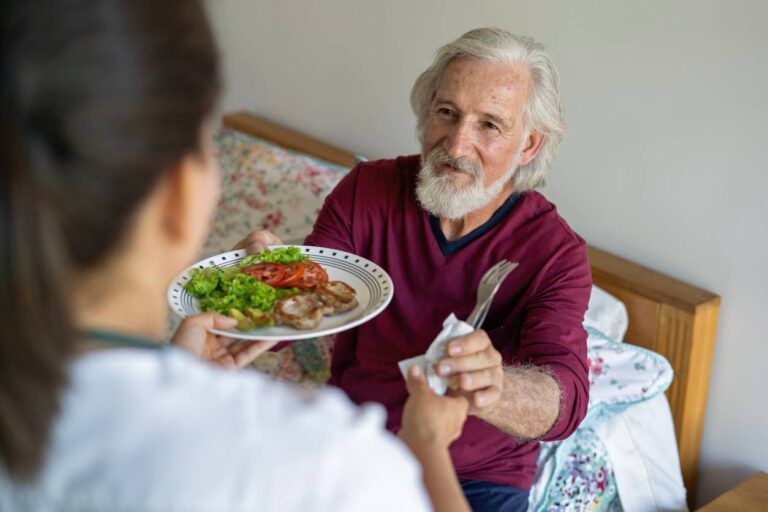
At its core, a caregiver job involves helping another person live safely and comfortably, often in their own home. Caregivers assist with daily tasks like bathing, dressing, preparing meals, and offering companionship. However, not all caregiver jobs and responsibilities are the same—some focus more on patient care, while others prioritize emotional support or household help.
Caregiving roles can also vary depending on the care recipient. For example, you might work with an elderly adult, a person with a disability, or a child with special needs. By learning about the different roles available, you can focus your job search and prepare more effectively.
Listed below are several different types of caretaker roles you may be interested in:
Personal Care Aide (PCA)
Personal care aides provide essential non-medical support to patients who need help with daily activities. These tasks may include bathing, grooming, toileting, and light housekeeping. PCAs often work with seniors, people recovering from illness or surgery, or individuals with disabilities.
- Where they work: In-home settings, private households, or through care agencies.
- Requirements: Usually, no formal license is required, but training and CPR/First Aid certification may be expected.
- Best for: Compassionate individuals new to caregiving or seeking entry-level positions.
Tip: If you’re exploring caregiver jobs for the first time, a PCA role is a great way to gain experience and build trust with families and employers.
Home Health Aide (HHA)
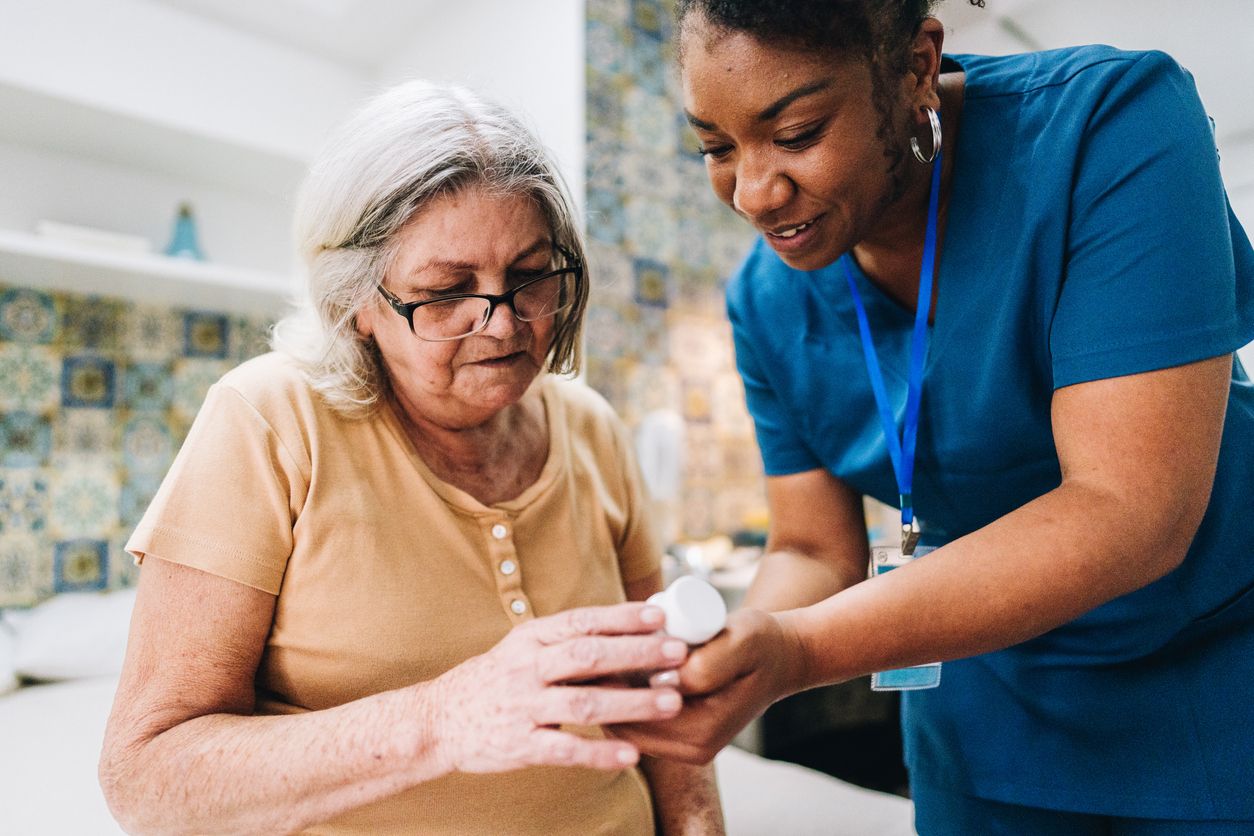
Home health aides offer hands-on care similar to PCAs but with some basic medical responsibilities. In addition to helping clients with hygiene and mobility, HHAs may check vital signs, assist with physical therapy exercises, or track medication routines. Research has found that HHAs enjoy the flexibility, autonomy, and control their position provides.
- Where they work: Private homes, home care agencies, or assisted living facilities.
- Requirements: Completion of a certified HHA training program; some states require exams or registration.
- Best for: Caregivers who want to work in-home while supporting clients with more complex health needs.
Think about this: Do you feel comfortable taking on more responsibility in a home setting? If so, HHA roles offer a nice balance of personal care and basic medical tasks.
Companion Caregiver
Companion caregivers focus on providing emotional support and companionship rather than hands-on care. They help with light housekeeping, errands, conversation, and activities that promote social interaction.
- Where they work: In-home care, adult day centers, or through private hire.
- Requirements: Usually, no formal certification is required.
- Best for: Friendly, talkative individuals who want to help reduce loneliness and support independent living.
Action step: Highlight your communication skills and patience on your resume—these are top qualities families seek in companion roles.
Certified Nursing Assistant (CNA)
CNAs provide more advanced care and often work under the supervision of a nurse or medical team. Duties include bathing, feeding, repositioning clients, and reporting health changes.
- Where they work: Hospitals, nursing homes, rehab centers, or in-home care.
- Requirements: CNA certification, which includes classroom instruction and clinical training.
- Best for: Caregivers seeking a long-term healthcare career or those interested in nursing.
Pro tip: CNA jobs can be a stepping stone to becoming a licensed practical nurse (LPN) or registered nurse (RN).

Live-In Caregiver
A live-in caregiver resides in the client’s home and provides full-time assistance, often including overnight support. These roles require a strong sense of responsibility and flexibility, as the caregiver is present most of the day.
- Where they work: Private homes, usually through direct hire or agency placement.
- Requirements: Varies by state, but may include background checks, CPR/First Aid certification, and experience.
- Best for: Dedicated caregivers who prefer long-term, consistent schedules.
Consider this: Are you comfortable sharing space with a client and setting boundaries? Live-in roles require trust and open communication.
Special Needs Caregiver
These caregivers support children or adults with physical or developmental disabilities, including autism, cerebral palsy, or Down syndrome. Care may include feeding assistance, behavioral support, mobility help, and teaching life skills.
- Where they work: Private homes, schools, group homes, or through social service agencies.
- Requirements: Specialized training or experience may be required depending on the client’s needs.
- Best for: Caregivers who are patient, adaptable, and interested in working with individuals who have disabilities.
Consider this: Do you have experience in special education or therapy? That can be a valuable asset in these roles.
Respite Care Provider
Respite caregivers step in temporarily to give a family caregiver a break. Assignments can last a few hours or several days, and may involve general supervision, companionship, or light personal care.
- Where they work: Private homes, adult day programs, or care facilities.
- Requirements: Depends on the agency, but reliability and flexibility are key.
- Best for: Part-time workers, students, or those who enjoy variety.
Action step: Let agencies know you’re available for fill-in or emergency shifts—this flexibility can open doors.
Choosing The Right Caregiver Job For You
Now that you’ve explored the different types of caregiver jobs, reflect on your interests, strengths, and career goals. Ask yourself:
- Do I want to work in a home, facility, or community setting?
- Am I comfortable with hands-on personal care?
- Do I prefer working one-on-one or as part of a team?
- How much training am I willing to complete?
There’s no one-size-fits-all career path in caregiving, making it so rewarding! Whether you’re drawn to companion roles or pursuing certification as a CNA, there are caregiver jobs suited to your personality, skills, and lifestyle. By exploring each type of position, gaining the necessary training, and applying with purpose, you can build a fulfilling career that makes a real difference.
Ready to take the next step? Check here to see if you have free access to Trualta’s library of caregiving resources.
References:
- ZipRecruiter. (n.d.). Most popular types of caregiver jobs.
- Kim, J. J. (2022). Personal care aides as household employees and independent contractors: Estimating the size and job characteristics of the workforce. Innovation in Aging, 6(1), igab049.
- Gleason, H., & Miller, E. (2021). The Benefit of Autonomy and Control: A Positive Characteristic of the Home Health Aide Position. Innovation in Aging, 5(Suppl 1), 242.