Comparing Caregiver Job Responsibilities Across Roles
Caregiving is an essential and rewarding profession, but it’s far from one-size-fits-all. Whether you’re considering entering the field or hiring a caregiver for a loved one, it’s important to understand that caregiver job responsibilities vary greatly depending on the:
- Role
- Work setting
- Individual care recipient needs
Some caregivers assist with basic daily living activities in a private home care setting, while others follow structured protocols within an agency. Certain caregivers specialize in end-of-life support or Alzheimer’s care. Live-in caregivers provide around-the-clock assistance that extends beyond traditional shifts.
This guide breaks down core caregiver duties and compares how these responsibilities differ across private, agency, live-in, hospice, and specialized roles.
Are you looking for additional caregiving resources? Check if you have free access to Trualta.
Core Responsibilities Shared Across Caregiving Roles
Regardless of the specific position, caregivers typically assist with the following tasks:
Personal Care Assistance
Personal care is at the heart of a caregiver’s responsibilities, ensuring clients maintain hygiene, dignity, and comfort in their daily routines. Daily tasks include:
- Bathing, grooming, dressing
- Toileting and incontinence care
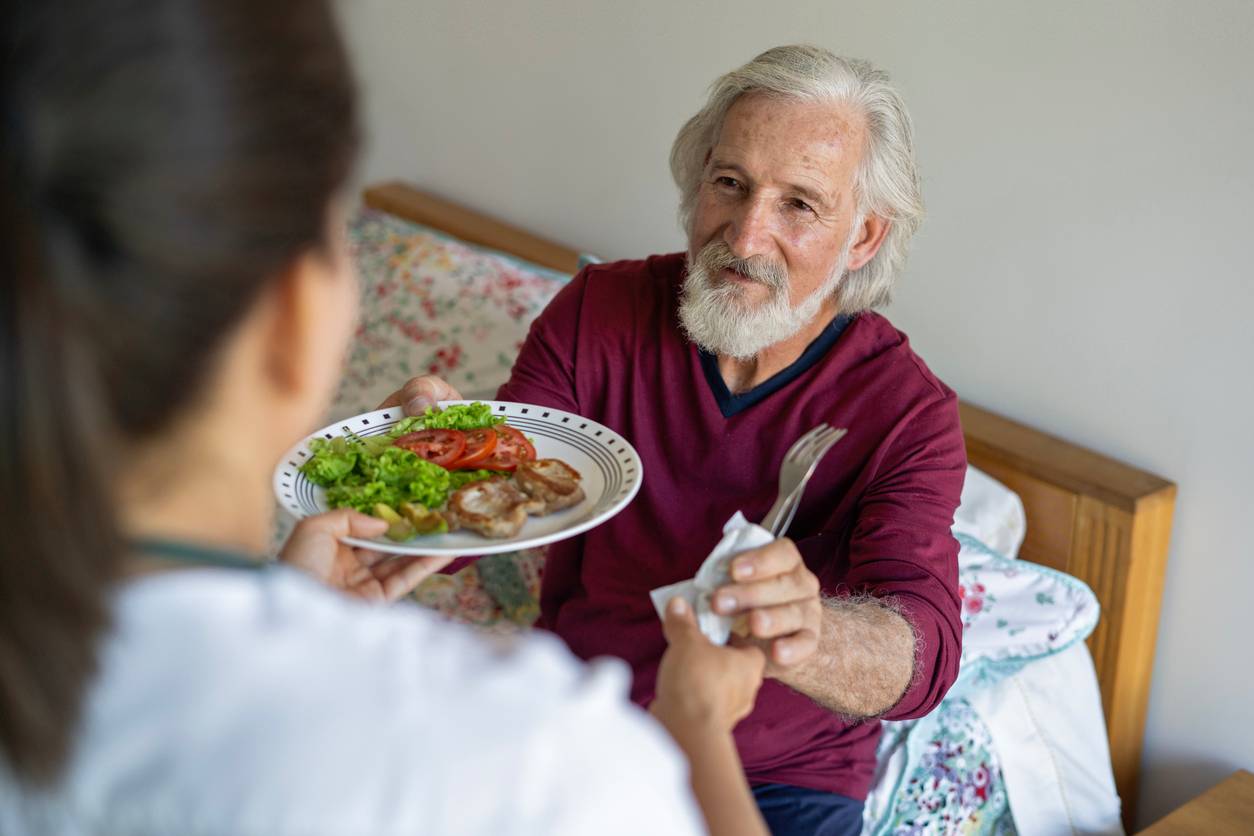
- Feeding or assisting with meals
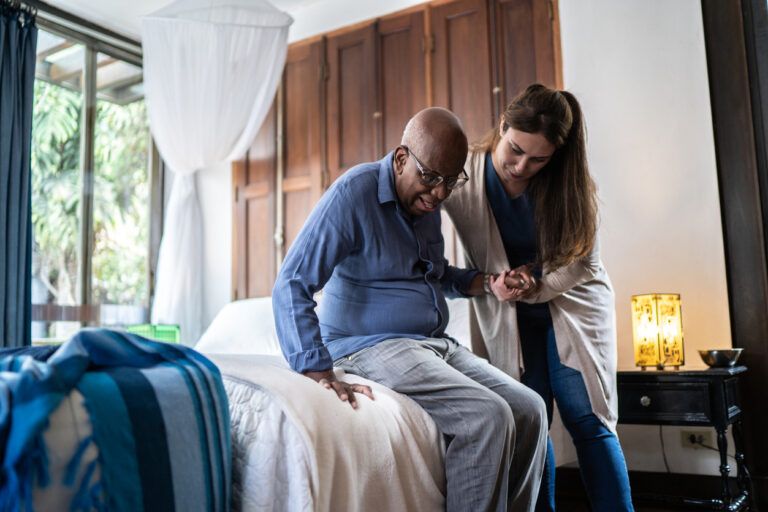
- Mobility help (walking, transfers, positioning)
Health-Related Support
This support helps maintain stability, prevents complications, and improves overall well-being. Health-related home care services include:
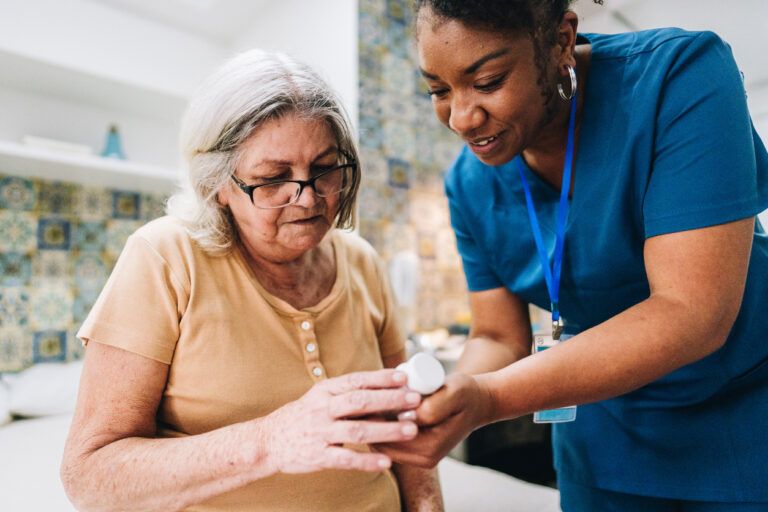
- Medication reminders (or administration if certified)
- Monitoring symptoms or behavior changes
- Supporting physical therapy routines
- Tracking vital signs or hydration levels
Household Management
A well-maintained living space improves a client’s health, safety, and well-being. A professional caregiver will provide the following home care services:
- Light housekeeping (laundry, dishes, floors)
- Meal preparation and grocery shopping
- Organizing the home to ensure safety and accessibility
Social & Emotional Support
Caregiving goes beyond physical assistance. It’s about creating a sense of comfort, companionship, and emotional well-being using your interpersonal skills. Caregivers help clients feel engaged by:
- Providing companionship and conversation
- Supporting mental health and routine engagement
- Helping reduce loneliness and isolation
While these tasks are universal to caregiving, the day-to-day expectations and legal responsibilities can vary significantly depending on the specific caregiving role.

Comparing Caregiving Roles & Responsibilities
Private Caregiver Responsibilities
Private caregivers are hired directly by individuals or families, rather than through an agency. Their home caregiver duties often involve a wider mix of household tasks and personalized care.
Common Responsibilities
- All core personal care and household duties
- Grocery shopping, errands, and transportation assistance
- Light pet care (feeding, walking, vet visits)
- Coordinating medical appointments and follow-ups
- Developing a customized care plan with families
Key Considerations
- Families define home caregiver duties directly, so responsibilities may shift over time.
- Private caregivers are responsible for their own contracts, taxes (as 1099 workers), and liability insurance.
- The caregiver job description can vary widely from one home to another.
- Caregivers work without direct oversight, requiring self-discipline and professional boundaries.
Private caregivers often need to be highly adaptable, especially when caring for care recipients who live alone, have changing health needs, or lack nearby family support.
Agency Caregiver Responsibilities
Caregivers employed by a licensed home care agency typically follow a defined job description, ensuring consistency and compliance with home health care regulations.
Common Responsibilities
- Assisting with personal care needs (ADLs)
- Providing companion care and social engagement
- Light meal prep and housekeeping
- Offering medication reminders (not administration unless licensed)
- Maintaining accurate documentation for care recipient progress reports
Key Considerations
- Agency caregivers work under the supervision of healthcare professionals or care coordinators.
- Boundaries are stricter—transporting care recipients or performing medical procedures may be prohibited.
- Less scheduling flexibility but more stability and legal protections.
- Agencies often provide training, liability insurance, and structured guidelines.
Agency caregivers benefit from support and security, but may have less control over care recipient matches, work schedules, or scope of care duties.
Live-In Caregiver Responsibilities
Live-in caregivers reside with the care recipient (or have a designated room in the home) and provide round-the-clock support, often including overnight care.
Common Responsibilities
- Full daily personal care and hygiene support
- Nighttime assistance with toileting, mobility, or sleep disturbances
- Cooking, cleaning, laundry, and household management
- Medication reminders and health monitoring
- Emotional companionship and fall prevention safety checks
Key Considerations
- May be on-call 24/7, depending on the work contract.
- Often work multiple days on, followed by scheduled days off.
- Privacy and personal space must be balanced carefully.
- Ideal for clients with chronic conditions or advanced illnesses.
Live-in caregivers require strong emotional stamina, excellent communication, and flexibility in daily care routines.
Hospice & End-Of-Life Caregiver Responsibilities
Hospice caregivers offer specialized care through comfort, dignity, and emotional support during the final stages of life.
Common Responsibilities
- Comfort care
- Supporting pain management under hospice nurse guidance
- Creating a peaceful atmosphere with music, lighting, or conversation
- Offering compassionate care and emotional reassurance to both patients and families
- Assisting with feeding or hydration, as tolerated
- Providing respite care for family caregivers
Key Considerations
- Requires a strong understanding of the dying process and grief support.
- Emotional resilience is essential for handling difficult moments.
- Caregivers must be calm under pressure and respect spiritual or cultural traditions.
Hospice care is ideal for caregivers with deep empathy, patience, and a steady presence.
Dementia Or Alzheimer’s Caregiver Responsibilities
Caregiving for clients with memory-related conditions requires specialized communication and behavioral management care.
Common Responsibilities
- Maintaining a daily routine to reduce confusion
- Using gentle redirection for moments of agitation
- Engaging in memory stimulation activities (music, photos, crafts)
- Ensuring home safety (stove off, doors locked, preventing wandering risks)
- Assisting with feeding, dressing, and toileting while preserving dignity
Key Considerations
- Requires knowledge of dementia care techniques, including de-escalation strategies.
- Caregivers must be patient, adaptable, and emotionally grounded.
- Family communication is critical for maintaining routine consistency.
Dementia caregiving is highly specialized and requires compassion, creativity, and strong observational skills.
Conclusion: One Title, Many Roles
While the title “caregiver” may seem universal, the responsibilities behind it are anything but. From part-time companion care to full-time live-in support, each role varies based on work setting, training, care recipient condition, and employment structure.
Understanding these differences ensures that caregivers, families, and employers align expectations, provide appropriate care, and create successful caregiving experiences.
Access exclusive resources inside our caregiver learning library. Check if you have free access.
References:
- U.S. Bureau of Labor Statistics. (2025). Home health and personal care aides.
- Hospice Foundation of America. (n.d.). Hospice caregiving.