Healthcare Caregiver Jobs: What You Need to Know
Are you considering a career in caregiving but want to understand what it means to work in healthcare-related roles?
Healthcare caregiver jobs are in high demand—and for good reason. As a healthcare caregiver, you play a crucial role in supporting patients with their medical and personal needs, often serving as the bridge between clinical care and daily activities.
Whether you’re just starting out or switching careers, this article will explain:
- What these jobs entail
- What qualifications you need
- How to get started
To learn more about caregiving and connect with other caregivers, check if you have free access to Trualta.
What Are Healthcare Caregiver Jobs?
Healthcare caregiver jobs focus on providing medical and personal care to individuals who need assistance due to illness, aging, or recovery from surgery. Unlike general caregiving roles, these positions often involve working under the supervision of nurses, physicians, or therapists in settings such as a hospital, nursing home, rehabilitation center, or private residence.
Healthcare caregivers support many patients, including older adults, individuals with chronic illnesses, and those recovering from medical procedures. As part of a larger healthcare team, caregivers play a critical role in ensuring care recipients receive well-rounded, continuous, quality care.
Daily Responsibilities In Healthcare Caregiving
The duties of healthcare caregivers vary based on employer and your care recipient’s needs, but some of the most common responsibilities include:
- Monitoring vital signs such as blood pressure, heart rate, and temperature to track health changes.
- Administering medications for those certified to do so, ensuring correct dosage and adherence to treatment plans.
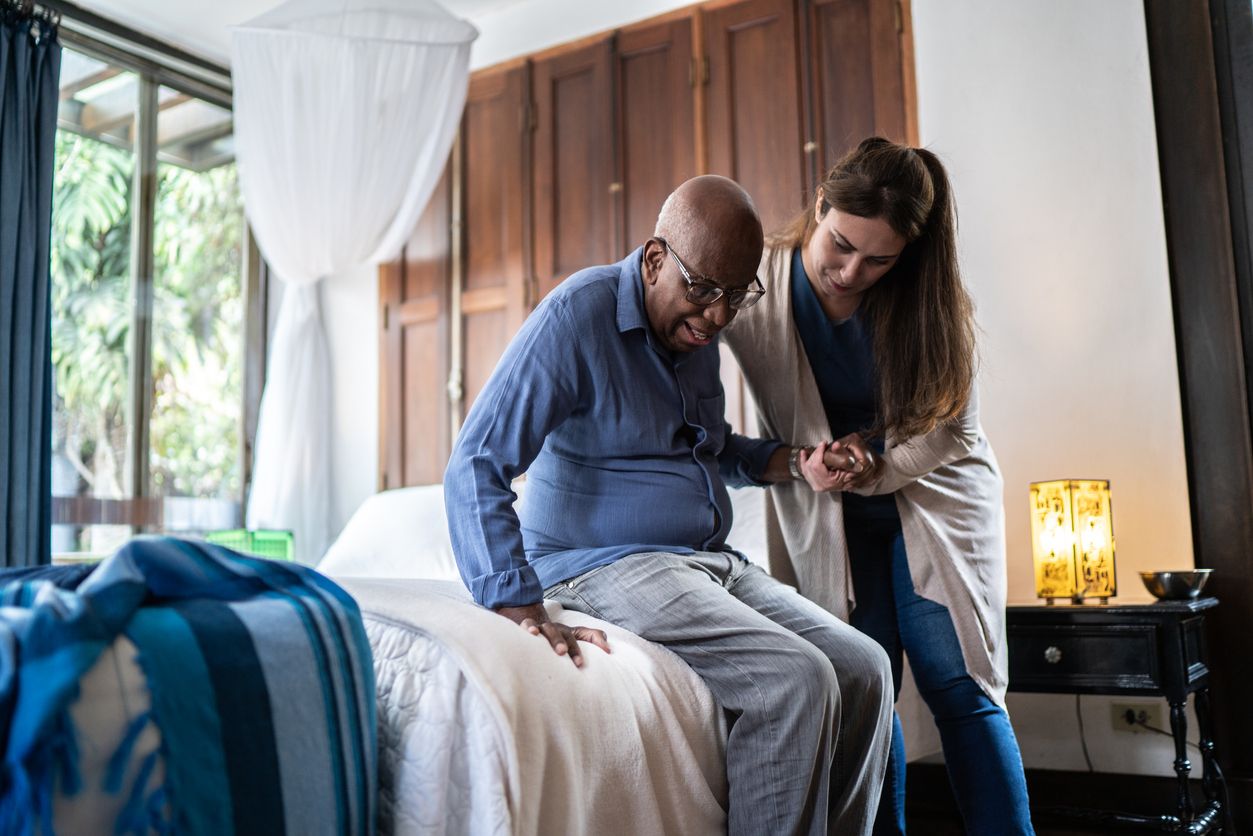
- Helping with mobility by assisting patients in transferring between beds, chairs, and wheelchairs.
- Personal hygiene assistance, including bathing, dressing, grooming, and toileting.
- Meal preparation and feeding to ensure proper nutrition and hydration.
- Documenting patient progress and reporting important changes to medical staff.
- Providing emotional support to care recipients and their families, fostering a sense of comfort and security.
These tasks require medical awareness and strong interpersonal skills. Compassion, patience, and adaptability are crucial to success.
Skills & Qualifications Needed
A career in healthcare caregiving often requires a combination of specialized training and interpersonal skills. Here’s what you’ll need:
- Certifications: Many healthcare caregiver roles require credentials such as Certified Nursing Assistant (CNA) or Home Health Aide (HHA). CPR and First Aid certifications are also valuable.
- Strong communication skills: Caregivers must effectively communicate with care recipients, families, and medical professionals.
- Attention to detail: Monitoring symptoms, tracking progress, and identifying health concerns is a key part of the job.
- Empathy and patience: Working with care recipients who are vulnerable or facing health challenges requires emotional intelligence and a calming presence.
- Time management skills: Managing multiple responsibilities during a shift means staying organized and efficient.
The right combination of skills and training helps caregivers excel while providing high-quality care to those who need it most.

Where Healthcare Caregivers Work
Healthcare caregivers can find employment in a variety of settings, each offering unique opportunities and challenges:
- Hospitals: Fast-paced environments where caregivers support medical professionals in patient care.
- Assisted living facilities: Long-term care settings focusing on older adults and their medical needs.
- Private homes: One-on-one support services that allow for personalized support and independence.
- Hospice care: End-of-life caregiving aimed at providing comfort, dignity, and emotional support.
The work setting often determines the level of high-quality care needed and the level of independence in caregiving duties.
Pay & Career Outlook
Healthcare caregiver jobs continue to grow as demand for skilled professionals rises. According to the U.S. Bureau of Labor Statistics, careers in home health and personal care are expanding faster than the national average, providing steady employment prospects.
Salary ranges vary based on experience, certifications, and location, but many caregivers can increase earnings by specializing in medical support roles or obtaining additional training.
How To Get Started In Healthcare Caregiving
If you’re ready to begin a career in healthcare caregiving, follow these steps:
- Complete required training: Check requirements in your area.
- Obtain certification: Complete any required training and background checks, and get licensed where needed.
- Build a strong resume: Highlight caregiving experience, certifications, and medical skills.
- Start applying for jobs: Look for openings through staffing agencies, senior care organizations, and healthcare providers.
For additional support, check out organizations like the Caregiver Action Network, AARP, and Eldercare Locator for specialized training and advocacy resources.
Interested in taking the next step? Trualta provides exclusive resources, including training guides, to help you succeed in healthcare caregiving. Check if you have free access.
References
- National Institute on Aging. (2023). Getting Started in Caregiving.
- U.S. Bureau of Labor Statistics. (2024). Home health and personal care aides.