Caregiver Job Duties: A Day In The Life
Caregivers are the heartbeat of home-based support. They help aging adults and individuals with disabilities or chronic illnesses live safely, comfortably, and with dignity. But unless you’ve worked in the field or relied on a caregiver yourself, it can be difficult to understand the reality of this role.
This article offers a behind-the-scenes look at a caregiver’s daily responsibilities, from personal care and household management to companionship and unexpected challenges. It will give you a realistic picture of what it takes to provide quality specialized care as a professional caregiver.
Want a deeper dive into caregiver responsibilities and what a caregiver job entails? Check if you have free access to Trualta.
Morning Routine: Setting Up Success
Mornings often begin with wake-up support, helping your care recipient start their day feeling calm and comfortable.
The first caregiver duties typically include:
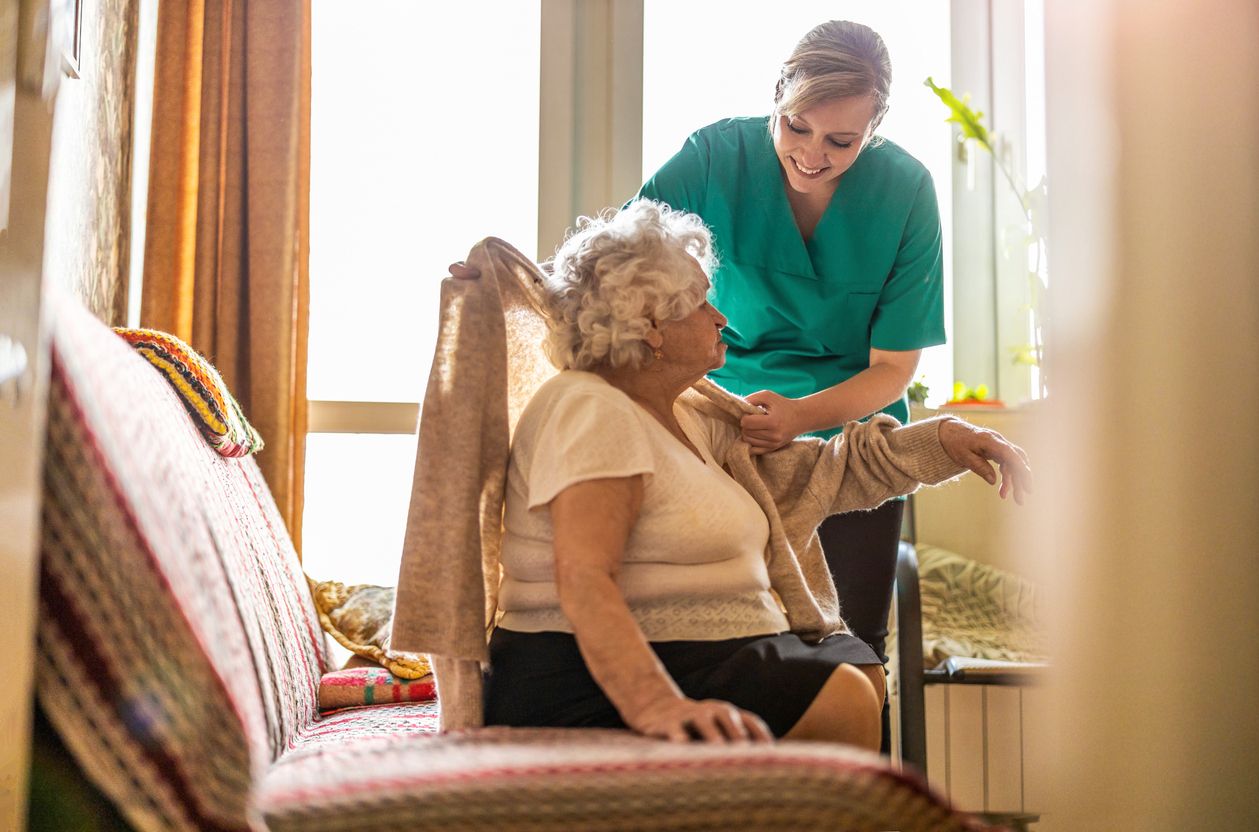
- Personal care assistance: Bathing, dressing, grooming, and ensuring hygiene needs are met.
- Medication reminders: Ensuring prescriptions are taken on time and as prescribed.
- Breakfast preparation: Preparing a nutritious meal tailored to dietary needs.
- Emotional support: Creating a positive and encouraging environment to ease into the day.
For many care recipients, morning routines set the stage for their overall well-being, making patience and attentiveness critical.
Midday Responsibilities: Health Monitoring & Household Tasks
After the morning routine, caregivers maintain a safe and clean environment while ensuring their care recipient’s physical well-being.
Common midday caregiver duties include:
- Light housekeeping: Daily tasks such as laundry, dishwashing, decluttering, and maintaining a sanitary home.
- Health monitoring: Recording vital signs, checking for changes in behavior or symptoms, and coordinating with family or healthcare professionals.
- Errands & appointments: Picking up prescriptions, grocery shopping, or accompanying clients to medical visits.
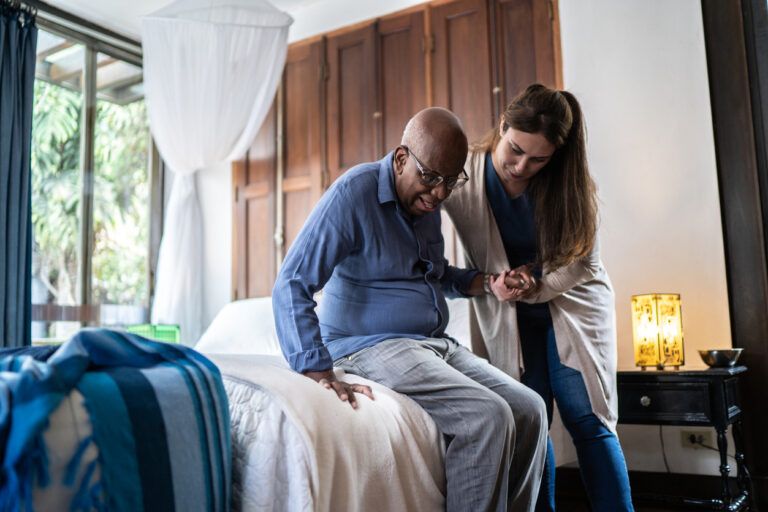
- Mobility assistance: Supporting walking, gentle exercise, or ensuring safe movement throughout the home.
A caregiver’s ability to observe small changes in a care recipient’s health can be crucial in preventing complications.
Afternoon Engagement: Companionship & Emotional Connection
Caregiving is more than just physical assistance; it’s also about building relationships and providing emotional support.
For example:
- Social interaction: Having a conversation, watching a favorite show, playing games, or reminiscing over old photos.
- Encouraging mental stimulation: Reading aloud, helping with hobbies, or simply being present during quiet moments.
- Providing reassurance: Offering comfort and companionship, especially for individuals experiencing anxiety or memory loss.
Small gestures of kindness and engagement often mean the most, helping caregivers foster meaningful connections with senior care recipients.
Evening Wind-Down & Nighttime Preparation
As the day progresses, caregivers adjust the pace based on the individual’s energy levels.
Evening caregiver duties often include:
- Dinner preparation: Ensuring meals meet dietary restrictions and providing feeding assistance if necessary.
- Final medication support: Helping care recipients take nighttime medications.
- Bedtime routine: Assisting with dressing for bed, nighttime hygiene, and ensuring mobility aids are accessible.
- Safety checks: Adjusting lighting, securing doors, and minimizing fall risks for overnight comfort.
Live-in home care caregivers’ roles may extend into overnight on-call support, while hourly caregivers end their shift with a final check-in to ensure the individual’s well-being.

The Emotional Support Side of Caregiving
Beyond the physical tasks, caregivers navigate the emotional complexities of their work, including:
- Supporting clients with memory loss or terminal illness.
- Guiding families through grief and difficult transitions.
- Finding purpose and fulfillment in making a difference
Companion care requires compassion, patience, and resilience, but many professionals say the rewards outweigh the challenges, knowing their presence brings comfort and security.
Specialized Care Services You Might Not Expect
Some professionals take on additional specialized duties in the caregiver role based on their care recipient’s needs, including:
- Alzheimer’s and dementia care, using calming techniques to reduce confusion.
- End-of-life support that ensures comfort, dignity, and pain management.
- Managing assistive devices, such as oxygen tanks, CPAP machines, or mobility aids.
- Helping with transportation coordination, ensuring safe travel for medical appointments
Private caregivers may take on broader home care responsibilities, while agency caregivers often follow a structured job description.
What Makes a Great Caregiver?
Technical skills are important, but the best caregivers succeed because of their personal qualities:
- Empathy & patience: Using your interpersonal skills to connect with seniors emotionally and treating them with dignity.
- Discretion & professionalism: Maintaining confidentiality and handling sensitive situations with care.
- Observation & problem-solving: Recognizing health changes and adapting to new challenges.
- Resilience & self-care awareness: Managing personal stress while providing steady support.
Daily Caregiver Job Duties Checklist
Here’s a quick snapshot of daily living responsibilities:
- Personal care (bathing, dressing, grooming)
- Meal preparation & feeding assistance
- Medication management
- Transportation & appointment coordination
- Light housekeeping & safety checks
- Companionship & mental engagement
- Documentation of health or behavioral changes
- Evening hygiene & bedtime support
Conclusion
Caregiving isn’t just about checking off tasks. It’s about presence, attention, and empathy. It’s waking someone gently, preparing meals with care, transferring them safely, and offering reassurance in moments of uncertainty.
Whether you’re considering caregiving as a career or seeking a better understanding of the home caregiver role, know this: behind every duty is a person’s dignity, trust, and daily peace. It’s not just a job, it’s a responsibility and an opportunity to change lives in quiet, meaningful ways.
Don’t forget to check if you have free access to even more caregiver resources.
References
- National Institute on Aging. (2023). Worksheet: Coordinating Caregiving Responsibilies.
- Alzheimer’s Association. (n.d.). Early-State Caregiving.