Rollator Walker: A Caregiver’s Tool To Promote Independence
If you take care of someone with limited mobility, you know how important it is to find tools that help with both movement and safety. A rollator walker is a great option, giving them more freedom to move while also lowering the risk of falls. These walkers make daily tasks easier and safer, helping your care recipient regain more independence.
In this article, we’ll cover:
- What a rollator walker is
- The benefits of using a rollator walker
- How a rollator walker can ease the burden on caregivers
- Important steps to take when getting a rollator walker
Interested in learning more about rollator walkers, gait aids, or general caregiving? Check if you have free access to Trualta’s learning library.
What Is A Rollator Walker?
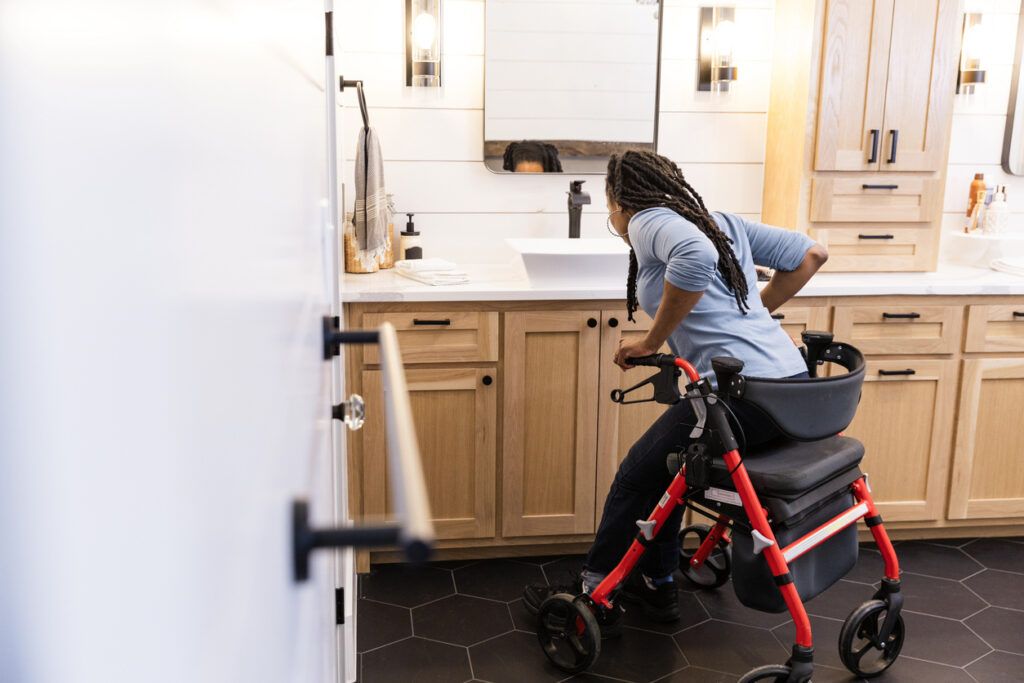
A rollator walker is a walking aid designed for people with balance or walking difficulties. The key difference from a standard walker is that a rollator has four wheels (one on each leg). This lets you roll the walker forward instead of lifting it with each step, making it less tiring to use, especially over longer distances. Similarly, a tri walker has three wheels and functions much like a rollator walker.
Rollators are easy to maneuver because the wheels swivel. Most models have a sturdy frame, height adjustable handles, and brakes for safety. Many also feature a padded seat and backrest, allowing users to rest whenever they need to. Rollator walkers are a great mobility aid for those who need more support than a cane but don’t need all the support of a wheelchair.
Benefits Of A Rollator Walker
Rollator walkers offer many benefits that can significantly improve the quality of life for those with mobility challenges:
- Increased stability: A rollator provides extra stability by offering arm support for balance, reducing the risk of falls.
- Better mobility: A rollator’s large wheels make it easier to move across various surfaces, including carpets. This smooth movement encourages users to walk more often and for longer distances.
- Indoor & outdoor usage: Rollators are versatile, and suitable for both indoor and outdoor use, making them great for a variety of environments.
- Comfort & rest: Many rollators come with a comfortable seat, allowing users to take breaks when needed. This feature is especially helpful for those who get tired easily or enjoy longer walks.
- Portable & easy to store: Lightweight rollators are easy to transport and store. Many fold up, making them convenient for trips, whether in a car or at home.
- Added storage: Some rollators include a basket under the seat, providing extra space for carrying personal items or a shopping bag. It’s a convenient option for errands.
How Rollator Walkers Can Make Caregivers’ Lives Easier
Caring for someone with limited mobility can be challenging. Rollator walkers help in several ways:
- Reducing physical strain: A lightweight rollator allows your loved one to walk independently, so you don’t have to provide as much physical support. It’s easier for them to use on their own, reducing the strain on you.
- Improved safety: Rollators are designed to provide extra stability, giving you peace of mind that your loved one is less likely to fall while walking.
- Increased confidence: A rollator walker can boost your loved one’s confidence by allowing them to move more freely. They may feel more independent, reducing emotional strain on both of you.
- Easier travel & storage: If you need to transport your loved one, the lightweight and foldable design of many rollators makes them easier to take on trips.
- Reduced fatigue: A rollator helps your loved one conserve energy by reducing the effort needed to walk. This allows them to do more on their own, which frees up time for you to focus on other tasks and responsibilities.
How To Get A Rollator Walker
- Consult a healthcare professional for appropriateness: Before purchasing a rollator walker, it’s important to speak with a healthcare provider to ensure it meets your loved one’s specific mobility needs. While rollators are a great option for many, a healthcare professional should assess whether it’s the right choice.
- Adjust for the right height and learn proper use: A healthcare professional can help adjust the rollator to the correct height, ensuring proper posture and reducing strain while walking. They can also teach your loved one how to operate the equipment, including how to use the brakes.
- Check Medicare coverage: Medicare may cover a portion of the cost of a rollator walker. Be sure to check with your provider and insurance to confirm eligibility. Prices for rollators can range from $70 to $600, depending on the model.
Conclusion
A rollator walker is a valuable tool that enhances mobility, comfort, and independence for those with walking difficulties. It improves safety, reduces caregiver strain, and boosts confidence, helping individuals stay active and self-sufficient. For caregivers, rollators make tasks easier and safer, providing both physical support and peace of mind. When considering a rollator walker for a loved one, be sure to consult a healthcare professional and check with Medicare for coverage options.
Interested in learning more about rollator walkers, gait aids, or general caregiving? Check if you have free access to Trualta’s learning library.
References
- Discover the Benefits of Rollator Walkers | Elderly Fall Prevention. (2023, March 12). https://elderlyfallprevention.com/discover-the-benefits-of-rollator-walkers/
- McElwain, J. (2024). What Is A Rollator? The Complete Rollator Walker Guide. What Is a Rollator? The Complete Rollator Walker Guide. https://askchapter.org/magazine/senior-health-wellness/medical-devices-equipment/what-is-a-rollator-complete-rollator-walker-guide
- Tomashoff, C. (2023, February 3). What is a Rollator? Benefits, Types, and How They Work. Elderly Guides. https://elderlyguides.com/what-is-a-rollator/