Drug Overdose Symptoms and Treatment
A drug overdose occurs when someone takes too much of a drug or mixes substances in a way that overwhelms the body. Drug-related deaths usually happen because of an accidental overdose.
An overdose doesn’t have to be deadly. A person can get better if they get medical help right away. You could save their life. If they’re at risk, it is important to know some tips to prevent overdose. As a caregiver, you should understand:
- The dangers of overdose
- The signs and symptoms
- What to do if it happens.
Are you looking for more caregiver resources? Check if you have free access to Trualta.
About Drug Overdose
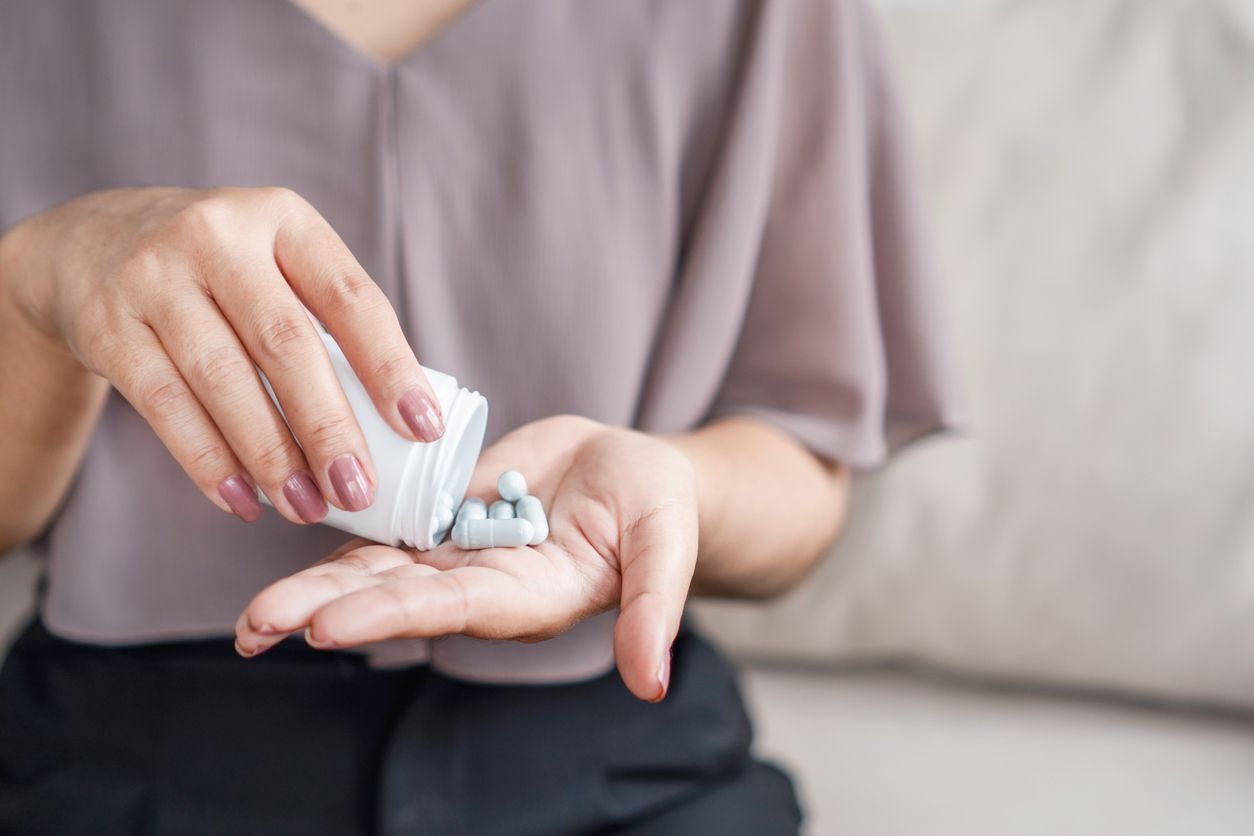
Many people think overdoses only happen to people who use illegal drugs or have serious addiction problems. Drug overdoses can happen with prescription medications and even certain over-the-counter medications. Mixing medications can even lead to an overdose.
If you care for a loved one, you should know about overdoses. In addition to the symptoms and how to treat an overdose, it helps to have a good overview of
- Drug overdoses
- What an overdose means
- Who is at risk
- How common the problem is
What Is An Overdose?
An overdose occurs when someone takes or is given more of a drug or a mix of drugs than the body can handle. Many different situations can lead to an overdose. Many kinds of substances can cause an overdose in different amounts and with different consequences.
Any type of drug or combination of drugs can cause a drug overdose. Illegal drugs, prescription drugs, and even some medications considered very safe can cause an overdose. The risk of overdose grows with the amount taken and when mixing drugs or medications.
Who Is At Risk For An Overdose?
Illegal drug users are not the only ones at risk for an overdose. Many prescription drugs can cause overdose and even drug overdose deaths. If your loved one does not use illegal drugs, like heroin or cocaine, and they follow their doctor’s instructions on taking medications, their risk of overdose is low but not zero.
Even among people who only use medications, not illegal drugs, overdose is a possibility. Risk factors for this group include:
- Mixing multiple types of medications
- Mixing medications with alcohol
- Making mistakes with the amount or how often they are taken
- Taking medications alone, without assistance
- Being older
- Having certain health conditions, like liver disease, heart disease, or a respiratory condition
- Having mental health conditions
Using illegal drugs greatly increases the risk of an overdose. Mixing different illegal drugs or using them with medications or alcohol also increases the risk. Someone who has recently quit using drugs and then started again may be at higher risk of overdosing because their body is not used to the drug anymore. Certain illegal drugs also come with a greater risk of causing drug overdose deaths, including opioids and especially fentanyl.
Is A Drug Overdose Always Deadly?
No, a drug overdose does not have to be deadly. Many people recover from an overdose, especially with quick treatment. This is why it is so important for caregivers of individuals who are at risk to know the signs of an overdose and what to do if it happens.
Drug Overdose Statistics
The opioid problem, and especially the introduction of illegal fentanyl, a powerful opioid, has made drug overdose deaths an important public health discussion. According to information from the Centers for Disease Control and Prevention and other government agencies, the drug overdose death rate has been going up for the last couple of decades. Here are some additional facts:
- There were 105,007 reported drug overdose deaths in the U.S. in 2023.
- More men than women die from drug overdoses
- Synthetic opioids cause the most drug overdose deaths. This includes fentanyl, a very powerful opioid that has become more prevalent in street drugs.
- Prescription opioids are the fourth leading cause of drug overdose deaths. These include accidental overdoses and opioid misuse.
- While prescription opioids still cause drug overdose deaths, they have become less of an issue in the last few years.
- Drugs that cause fewer but still a lot of drug overdose deaths include benzodiazepines, heroin, and antidepressants.
What Are The Symptoms Of A Drug Overdose?
Different types of drugs cause different symptoms during an overdose. If you know your loved one is taking certain medications or illegal drugs, watch for any unusual signs that could mean an issue.
Opioid Overdose Signs
All opioids, including synthetic opioids, prescription opioids, and natural opioids like heroin, are depressants. This means they slow down the brain. The brain controls the rest of the body, including breathing and your heartbeat. A fatal opioid overdose occurs when the drug slows breathing down to the point that the individual stops breathing.
Look for these signs that show someone is experiencing an opioid overdose:
- Muscle weakness or limpness
- Slow heart rate and breathing
- Cold, sweaty skin
- Pale or blue lips or fingernails
- Very small pupils
- Loss of consciousness and unresponsiveness
- Gurgling, snoring, and vomiting
This type of overdose does not only happen to street drug users or people with an opioid use disorder, also known as opioid addiction. What seems like safe or low-risk use of prescription opioids can also lead to an overdose. Be careful about how much they should take and overdose signs if your loved one takes opioids. An overdose can quickly become fatal.
Symptoms Of Stimulant Overdose
Stimulants are drugs that stimulate the brain and spinal cord. While depressants slow brain activity and breathing, stimulants increase activity and raise body temperature. According to the Drug Enforcement Administration (DEA), both prescription stimulants and illegal stimulants are Schedule II controlled substances because of the high chance that a person could abuse them.
Prescription stimulants include amphetamines like Adderall and Ritalin. Methamphetamine, or meth, is also a stimulant. Cocaine is a common illegal stimulant.
A stimulant overdose looks different from an overdose caused by a depressant like an opioid:
- High temperature and hot, flushed skin
- Unsteadiness when walking
- Confusion and disorientation
- Chest pains
- Headache
- Muscle spasms or tremors
- Difficulty breathing
- Extreme agitation
- Seizures
Acetaminophen Overdose
Acetaminophen, also known as Tylenol, is an over-the-counter medication. Misuse can cause an overdose because of how it affects the liver. Using acetaminophen is safe for most people when the directions on the medication are followed. Risks increase when acetaminophen is mixed with alcohol.
The risk also increases when acetaminophen is taken in large doses. This can happen accidentally, especially if someone has a prescription opioid. Many of these prescription drugs include acetaminophen, which can lead to an accidental drug overdose if combined with Tylenol.
Early signs of acetaminophen drug poisoning include vomiting, nausea, and abdominal pain. This may progress to more intense vomiting or jaundice. Medical tests may indicate poor liver function. Ultimately, the liver may fail, which can be fatal.
What To Do If Your Loved One Is Experiencing An Overdose
An overdose of any type of drug is a very serious situation. It is considered a medical emergency. Overdoses can cause significant complications, from seizures to brain damage, physical injuries, and even death.
Because the consequences are so serious, it’s important to take action quickly if you suspect your loved one is experiencing an overdose. Call 911 immediately.
While you cannot treat the overdose yourself, you can take some steps to try to protect your loved one as you wait for emergency medical responders. For example, you can move any objects that might cause harm if they are having seizures or experiencing muscle spasms.
If your loved one is unconscious, roll them onto their side to prevent choking on vomit. If you are trained in CPR, check for a pulse and breathing, and administer CPR if necessary. If your loved one is conscious and behaving erratically or violently, protect yourself. Remove yourself from the situation and wait for emergency responders.
If your loved one uses opioid drugs, you might have naloxone on hand that you can use. Naloxone is also known as NARCAN and is a rescue medicine that blocks the effects of opioids. It can be life-saving and is easy to administer. Don’t wait for emergency responders. If your loved one uses opioids and is at risk of overdose, you should have naloxone and be trained in how to use it.
How Are Drug Overdoses Treated?
Emergency responders will treat your loved one immediately and transport them to the emergency room for further care. Treatment for a drug overdose depends on the type of drug and the symptoms the individual is experiencing. Be prepared to tell the responders what your loved one took, if you know, or what you suspect they took and how much.
Naloxone is the standard treatment for any opioid, from heroin and illegal fentanyl to prescription opioids. Emergency responders will need to know if naloxone has already been administered. They may give a second dose.
If an antidote like naloxone is not available for the drug your loved one took, treatment often involves other methods to remove the drug from their body. Activated charcoal is a common treatment. It binds to the drug, preventing it from being absorbed.
Medical professionals also provide supportive care to keep patients safe and alive as the drug leaves their system. For example, if they are struggling to breathe, your loved one may be intubated. This involves putting a tube in their airways to support breathing. They may be given specific drugs, like acetylcysteine for an acetaminophen overdose.
Overdose Prevention
Overdose prevention is always better than treatment for a drug overdose. As a caregiver, you can take steps to reduce the risk that your loved one experiences an overdose. Talk to their doctor about overdose prevention resources.
If they use illegal drugs or misuse their medications, treatment for a substance use disorder is the best way to prevent an overdose. Talk to them about their drug use and suggest they could use some support in reducing and stopping drug abuse. Enlist their trusted doctor or other family members to help convince them if necessary.
Your loved one can still be at risk for an overdose even if they don’t intentionally misuse drugs or use illegal drugs. Prescriptions can cause accidental overdoses. The more medications your loved one uses, the greater the risk of overdose. These are steps you can take to lower the risk:
- Keep a complete list of every medication they take (prescription and over-the-counter). Update it regularly and include doses and frequency.
- Stay informed about each medication, potential side effects, and interactions with other drugs or substances.
- Talk to your loved one’s doctor and the pharmacist if you have questions or concerns about medications.
- Use just one pharmacy, so the pharmacist can monitor medications and keep you informed of any risks or possible interactions.
- Keep the medications organized and create an easy-to-use schedule for dosing and taking them. Use your phone’s alarms as reminders if necessary.
- Always ensure your loved one takes medications exactly as instructed.
Supporting Your Loved One After A Drug Overdose
A drug overdose is a very scary situation for you and your loved one. If it was truly an accident that did not involve intentional misuse of substances, continue supportive care as recommended by their doctor. They may take a little time to recover. Keep them comfortable and follow their doctor’s instructions for care and continuing use of medications.
If your loved one has been misusing drugs, help them get treatment for substance use disorder. An overdose can be a sign of an addiction, which requires treatment. Appropriate support will help your loved one stop misusing drugs and lower the risk of another overdose.
Treatment for substance use disorder doesn’t have to include a rehab facility. Your loved one might benefit from outpatient therapy and counseling. Support groups can also be helpful and available in person or online.
Drug overdoses are serious medical conditions. Drug overdose deaths are unfortunately common. If your loved one is at risk for an overdose, know the signs and know what to do to keep them from being another victim.
References
- Better Health Victoria. (n.d.). Drug overdose. Better Health Channel. Retrieved April 8, 2026
- National Institute on Drug Abuse. (n.d.). Overdose death rates. National Institute on Drug Abuse. Retrieved April 8, 2026
- Merck & Co., Inc. (n.d.). Acetaminophen poisoning. In Merck Manuals. Retrieved April 8, 2026
- Cleveland Clinic. (2025, May 11). Opioid overdose. Cleveland Clinic. Retrieved April 8, 2026
- U.S. Drug Enforcement Administration. (n.d.). Drug scheduling. U.S. Department of Justice. Retrieved April 8, 2026, from