Can Meth Mouth Be Reversed? What Caregivers Need to Know
Methamphetamine addiction is a damaging type of substance use disorder. Any type of drug use can lead to addiction and serious issues. According to the National Institute on Drug Abuse, meth and similar stimulants were the second leading cause of drug overdose deaths in the U.S. from 1999 to 2023.
Even when meth abuse and addiction don’t lead to an overdose, they can cause a lot of harm to a person’s health, including a terrible condition known as meth mouth. If you care for a loved one recovering from meth addiction, they’re probably struggling with major dental health issues.
Here’s what you need to know about how it happened, whether the damage can be reversed, and treatment and lifestyle habits that will help your loved one’s mouth heal.
For more information about being a caregiver for a loved one, check out our resource library for free access.
About Methamphetamine Drug Abuse
Methamphetamine is a synthetic (man-made) drug that is illegal for most people to have and use. Also known as meth or crystal meth, methamphetamine is a schedule II controlled substance. Schedule II is the second-highest schedule reserved for drugs with a high possibility for abuse and addiction.
Legal methamphetamine use is uncommon. As a prescription, methamphetamine is approved by the U.S. Food and Drug Administration (FDA) for ADHD and obesity. Amphetamines are much more commonly used for ADHD, and methamphetamine is only recommended for obesity when other methods to lose weight have been unsuccessful.
Meth is used so rarely as a medicine because it is highly addictive and prone to abuse. Meth is a stimulant, which means it increases central nervous system activity, increasing breathing rate, blood pressure, body temperature, and heart rate.
The typical purpose of methamphetamine abuse is to get a high. Meth users get a rush of dopamine, the brain’s pleasure chemical, many times stronger than from ordinary pleasurable activities. The high can last for hours.
Unfortunately, methamphetamine abuse, like other types of substance abuse, can quickly lead to meth addiction. Repeated meth use changes the pleasure pathways in the brain, making it increasingly difficult to feel pleasure. So meth users keep using, just to feel normal and to avoid withdrawal symptoms.
What Is Meth Mouth?
Meth mouth is extreme tooth decay that many meth addicts experience. In a study published in The Journal of the American Dental Association, researchers studied the oral health of about 600 meth users.
The study found that 96% of the users had cavities, 58% had significant tooth decay, and 31% had at least six missing teeth. Between 85% and 89% of the users had gum disease, also known as periodontitis. Only 23% of the meth users had all their original teeth.
These are some of the most common signs and symptoms of meth mouth:
- Cavities
- Tooth decay
- Loose, missing, and cracked teeth
- Dry mouth
- Gingivitis (gum inflammation that precedes gum disease)
- Periodontitis (gum disease)
- Frequent tooth grinding (bruxism)
- Black, rotten teeth
How Does Meth Ruin Teeth?
Methamphetamine use causes meth mouth’s characteristic symptoms in more than one way. The causes are both direct and indirect. Meth use shrinks blood vessels. Over time, this makes it harder for the blood to flow to the mouth, gums, and teeth. Blood flow is necessary to keep tissues in the mouth healthy. Eventually, blood vessels die, causing decay in the mouth.
Another direct effect of methamphetamine abuse on the mouth is the reduction of saliva. Meth use reduces saliva production, causing a condition called dry mouth (xerostomia). Normal saliva flow is important to neutralize acids in the mouth. Without enough saliva, acids can weaken teeth and gums, making them more likely to get cavities, decay, and inflammation.
There are also a couple of indirect causes of meth mouth, such as poor dental hygiene. Meth addicts often have poor dental hygiene. They don’t remember or bother to brush their teeth, floss, or make appointments for dental care.
Meth users also often have poor diets, which can cause or worsen tooth decay and other oral health issues. As with oral hygiene, drug addicts often ignore healthy eating habits. They eat whatever is available and impulsively reach for junk foods. Meth addicts suffering from dry mouth often crave sugary drinks, like sodas, which, over time, worsen tooth decay and other health conditions of the mouth.
Finally, meth users often grind their teeth. Methamphetamine use can cause anxiety and hyperactivity. Users may grind their teeth through involuntary muscle contractions. With the teeth and gums already weakened by oral disease and poor oral hygiene, grinding and clenching the jaw can cause teeth to break or even fall out.
Can Meth Mouth Be Reversed?
Meth mouth can definitely be treated, but not all damage can be reversed. Whether or not it can be reversed, or the extent to which it can be reversed, depends on individual factors. The most important factor is how bad the damage is.
If your loved one got into recovery from meth addiction early, before their dental health suffered too much, treatment could reverse some or all of the damage. Even with extreme damage, they can still benefit from dental treatment strategies to reconstruct teeth, such as veneers or implants.
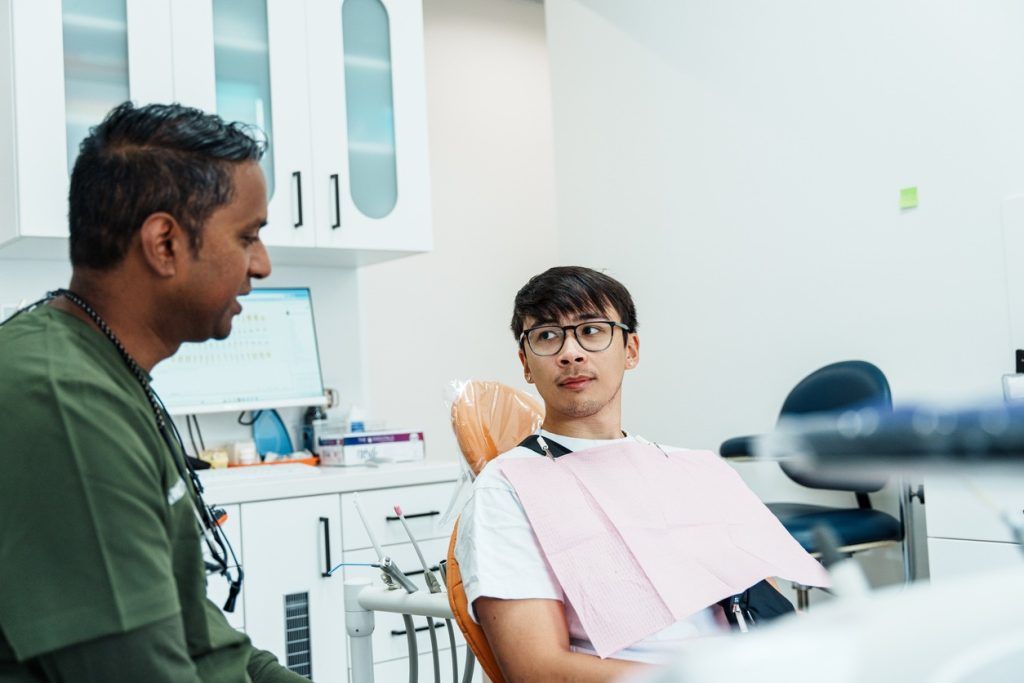
The best way to determine if your loved one’s meth mouth symptoms can be reversed is to see a dentist. If they don’t have a dentist, talk to their doctor about what to do next, and ask for a recommendation for a specialist experienced in working with recovering methamphetamine addicts.
Treatments For Meth Mouth
A dental specialist can guide your loved one’s treatment for meth mouth. They might need a team of specialists. For example, an oral surgeon can replace teeth with implants, while a periodontist can treat gum disease. Be aware that dental professionals will most likely postpone any treatment until after your loved one has stopped using meth for a period of time.
Fillings
A filling is a standard treatment for a cavity, also known as a dental caries. If your loved one’s tooth decay is not too advanced, they could benefit from fillings to replace the decayed areas and prevent further decay.
A filling doesn’t exactly reverse the damage in your loved one’s tooth, but it is a minor procedure with a significant impact. Many people get fillings to restore normal tooth function.
The first step in getting a filling involves removing decayed tissue. The dentist uses a special drill to remove the decay and create a hollow space. They fill that space with a special material. Options include amalgam, porcelain, and composite resin. Once the filling has dried, the dentist polishes the tooth to ensure it is smooth.
Veneers
If your loved one has any teeth that are badly stained or chipped but not rotten or significantly broken, they could benefit from veneers. A dental veneer covers up chips, stains, and missing tooth enamel. It is a simple, permanent solution for cosmetic tooth issues.
Applying a veneer is a simple procedure that makes big aesthetic improvements. But be aware that the procedure is not reversible, and veneers could make their teeth more sensitive. Your loved one’s dentist can talk to you both about the pros and cons of using veneers.
Prosthetics
There is a good chance that the damage to at least some of your loved ones’ teeth is severe enough that cavities and veneers will not be good options. In this case, a dentist or oral surgeon might suggest one or more prosthetics to replace rotten, broken, or missing teeth.
Dentures are usually for the areas with the most damage. If your loved one still has some healthy teeth, the dentist or surgeon may recommend implants or bridges. A bridge is a prosthetic that replaces one or more teeth between two healthy teeth.
An implant is an individual prosthetic tooth. To place an implant, the surgeon inserts a screw or blade into the jawbone. After four to six weeks, the piece of metal integrates into the bone. Then, the surgeon can attach the prosthetic tooth. The process takes several weeks, but it is a good option for replacing rotten or missing teeth.
Gum Disease Treatment
A periodontist is a specialist who treats gum disease. If your loved one has gingivitis or mild gum disease, their treatment might include a good dental cleaning and improved oral hygiene. They might also benefit from a deeper type of cleaning called root planing to remove bacteria and plaque under the gumline.
Moderate or severe gum disease might require surgery. Surgeries used to treat gum disease include pocket reduction procedures and gum or bone grafting to replace missing tissue.
Jaw Surgery
The most severe possible complication of meth mouth is osteonecrosis of the jaw. This occurs after long-term use. Osteonecrosis means that some of the bone tissue has died.
Jaw osteonecrosis is painful. It causes swelling and can lead to serious infections. It can also affect the gums, lead to loose teeth and tooth loss, and cause very bad breath. In some cases, the jawbone may be exposed in the mouth.
If your loved one has jaw osteonecrosis, a dental surgeon might recommend a surgical procedure. They can remove some of the dead tissue, exposing healthy bone that can then heal safely.
Lifestyle Habits For Better Oral Health
While it is up to the professionals to treat your care recipient’s dental diseases, as the caregiver, you can support good dental hygiene going forward. Here are some tips and habits to encourage:
- Brush teeth at least twice a day for about two minutes at a time, using fluoride toothpaste
- Floss daily, and particularly after meals
- Stay hydrated throughout the day with non-sugary drinks to keep teeth clean between meals and support saliva production
- Limit sugary, acidic foods and drinks, like soda
- Eat a healthy diet rich in whole foods and plenty of fruits and vegetables
- Limit or avoid alcohol
- Use a mouthguard if teeth grinding is still an issue or habit
- Keep up with the recommended frequency of dental appointments and cleanings
Why Is It Important To Treat Meth Mouth?
Everyone deserves to have good dental health. Oral diseases like cavities and rotting teeth aren’t just unsightly. They are also uncomfortable and painful, and contribute to other health conditions.
Cavities, decaying teeth, and gum disease can all be very painful. They make eating difficult, which can lead to malnutrition. Your loved one probably also struggles with bad breath and low self-esteem based on their poor oral health.
In terms of overall health, dental problems can cause systemic infections. Bacteria can get into the bloodstream from decayed tissue and inflammation in the mouth. This can lead to serious infections in other parts of the body. In severe cases of meth mouth, there may be painful bone damage in the jaw.
Methamphetamine addiction is a very serious drug addiction that impacts mental and physical health. Meth mouth is just one of many ways this substance use disorder has caused issues in your loved one’s life. While dealing with their oral diseases, be sure to also address the underlying cause. Be sure they get meth addiction treatment to help them enjoy overall health and wellness.
References
- National Institute on Drug Abuse. (2024, May 30). Drug overdose death rates. NIDA.
- U.S. Food and Drug Administration. (2017). Methadone hydrochloride tablets label. FDA.
- Shekarchizadeh, H., Khami, M. R., Mohebbi, S. Z., Ekhtiari, H., & Virtanen, J. I. (2016). Oral health of drug abusers: A review of health effects and care. Journal of the American Dental Association, 147(6), 423–437. https://doi.org/10.1016/j.adaj.2015.11.008
- American Dental Association. (n.d.). Methamphetamine. ADA.