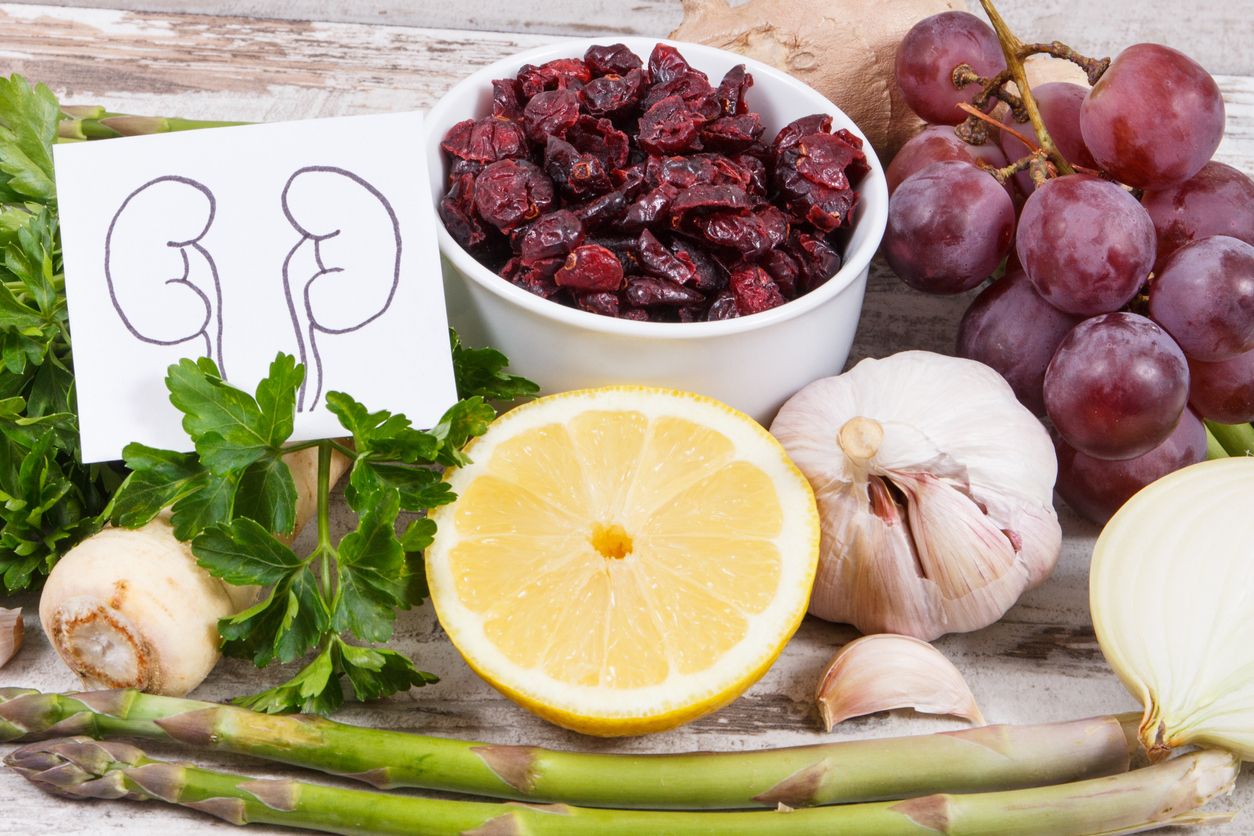
Easy Chronic Kidney Disease Diet Food List
Caring for someone with chronic kidney disease (CKD) can be challenging, especially when it comes to food. You might wonder which foods are safe, what to avoid, and how to create meals that taste good while protecting kidney health.
An easy chronic kidney disease diet food list includes kidney-friendly options like apples, egg whites, and white rice while limiting high-potassium foods like bananas and oranges, high-phosphorus items like dairy, and excessive salt. The right diet can help slow disease progression, reduce symptoms, and improve quality of life.
This guide includes a clear, easy-to-use food list and practical tips to simplify caregiving.
Are you looking for additional resources to help you provide the best care? Check if you have free access to Trualta’s library.
Understanding The CKD Diet
When kidneys aren’t working properly, the body can’t effectively filter extra minerals and waste. This means certain nutrients must be carefully controlled to prevent complications and reduce strain on the remaining kidney function.
Key Nutrients To Monitor
- Protein: While protein intake is essential, too much can strain damaged kidneys and increase waste buildup in the blood. Note: People on dialysis are generally encouraged to eat high protein diets, while people with CKD who aren’t on dialysis might be told to limit protein.
- Sodium (salt): Excess salt intake raises blood pressure and causes dangerous fluid retention, leading to swelling and breathing problems.
- Potassium: This mineral is crucial for heart health, but irregular heartbeats can occur when the kidneys can’t remove excess potassium, creating a dangerous potassium level.
- Phosphorus: High phosphorus levels weaken bones and can damage the heart and blood vessels over time.
- Fluids: In advanced CKD stages, the body may retain extra fluids, which can cause swelling and make breathing difficult
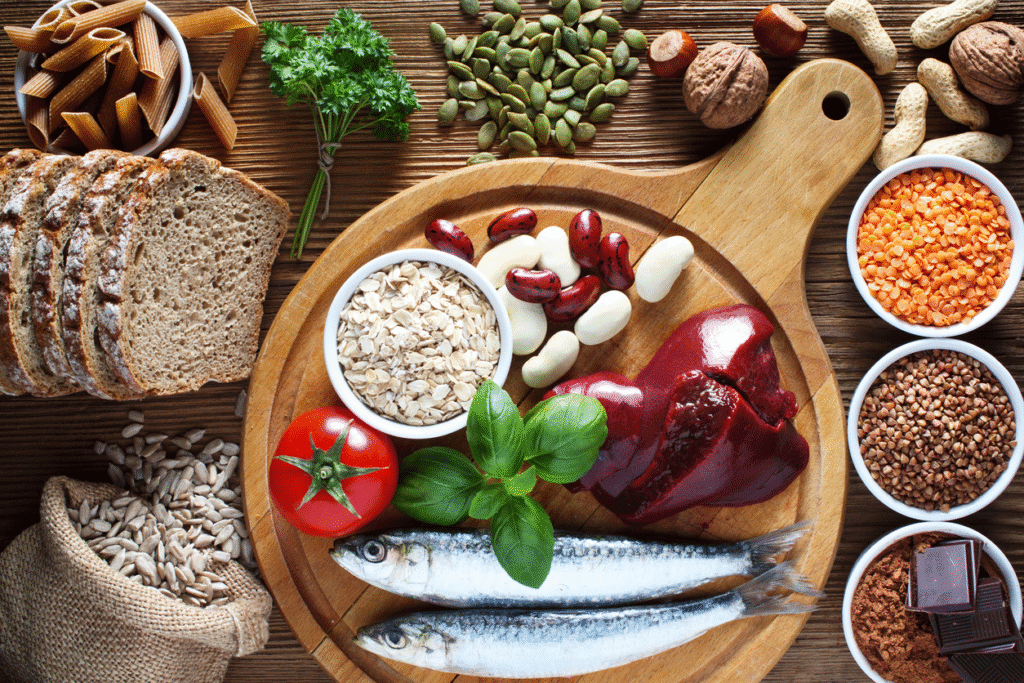
Easy Chronic Kidney Disease Diet Food List
Here’s a simple guide for grocery shopping and meal planning.
| Important: Work with a registered dietitian to customize this food list based on the person’s specific CKD stage, lab results, and individual needs. For example, what works for Stage 2 may not be appropriate for Stage 4. For help finding a renal dietitian, go to www.kidney.org/ckdrd. |
.
The Best Foods To Include For Kidney Health
| Low-Potassium Fruits | Apples (with or without skin) Berries (blueberries, strawberries, raspberries) Grapes (red or green) Pineapple (fresh or canned in juice) Peaches and pears Watermelon (small portions) Cranberries |
| Low-Potassium Vegetables | Cabbage and cauliflower Cucumber and lettuce Green beans and wax beans Bell peppers (all colors) Onions and garlic Radishes and turnips Asparagus (limited portions) |
| Kidney-Friendly Proteins | Egg whites (excellent low-phosphorus option) Lean protein, like skinless chicken breast Fresh fish like cod, tilapia, or salmon Lean meat like beef or pork (small portions) Tofu (unsalted varieties) |
| Healthy Fat and Oil | Olive oil and canola oil Small amounts of unsalted butter Avocado oil (use sparingly) |
| Grains and Starches | White rice and white pasta White bread (low-sodium varieties) Rice cakes (unsalted) Corn tortillas Oatmeal (limit portion size) |
Foods To Limit Carefully
| High-Potassium Foods (small portions occasionally) | Bananas and oranges Potatoes (regular and sweet) Tomatoes and tomato products Spinach and other leafy greens Avocados Cantaloupe and honeydew melon |
| High-Phosphorus Foods (restrict based on lab results) | Dairy foods (milk, cheese, yogurt) Nuts and seeds Whole grain breads and cereals Cola and dark sodasChocolate |
| Moderately High-Sodium Foods | Canned vegetables (rinse before serving) Bread and baked goods Restaurant meals Condiments and salad dressings |
Foods To Avoid
| High-Sodium Processed Foods | Canned soups and broths Deli meats and hot dogs Frozen dinners Packaged food like salty snacks (chips, crackers, pretzels) Convenience foods such as fast food and takeout |
| Dangerous Additions | Salt substitutes containing potassium chloride Organ meats (liver, kidney) Processed cheese products Pickled foods Excessive protein supplements |
Practical Tips For Caregivers
Smart Shopping Strategies:
- Read the food label carefully, focusing on sodium, potassium, and phosphorus content.
- Shop the perimeter of the grocery store where fresh foods are located.
- Buy fresh or frozen vegetables instead of canned when possible.
- Choose “no salt added” or “low sodium” versions of canned goods.
Cooking Techniques:
- Cook from scratch whenever possible to control ingredients.
- Reduce the potassium in vegetables by cutting them into small pieces, boiling them, and draining the cooking water before serving.
- Use herbs and spices instead of salt to flavor the dish (try basil, parsley, rosemary, garlic powder, or lemon juice).
- Prepare meals in batches to save time and ensure consistent nutrition.
Meal Planning Made Easy:
- Plan weekly menus using the chronic kidney disease diet food list as your guide.
- Keep emergency meal ingredients on hand for busy days.
- Prepare snacks in advance to avoid reaching for processed options.
- Consider using a food diary to track what works well and what doesn’t.
4 Common Mistakes To Avoid
- Assuming “Healthy” Equals “Kidney-Friendly”: Many nutritious foods, such as spinach, nuts, and whole grains, can be problematic for CKD patients. Always check foods against your kidney-friendly list before serving.
- Ignoring Portion Sizes: Even approved foods can cause problems in large quantities. A small apple is kidney diet friendly, but eating three large apples might provide too much potassium.
- Skipping Professional Guidance: Every person with CKD has different nutritional needs based on their stage, lab results, and other health conditions. Don’t rely solely on general diet information. Speak to a professional.
- Making Dramatic Changes Too Quickly: Sudden diet changes can be overwhelming and hard to maintain. Introduce new foods and eliminate problematic ones gradually.
Adapting The Diet By CKD Stage
Below are general tips for each stage. Talk to your care recipient’s dietitian for personalized advice. CKD dietary needs change as the disease progresses. Regular appointments help ensure your meal plan remains appropriate for the current stage.
Early Stages (1-2): Focus primarily on controlling blood pressure through sodium reduction. Most foods on the chronic kidney disease diet food list are acceptable in normal portions.
Moderate Stage (3): Begin monitoring potassium and phosphorus more carefully. Work with a dietitian to determine specific limits.
Advanced Stages (4-5): Strict adherence to the food list becomes critical. Protein, potassium, phosphorus, and fluid restrictions may all apply.
When To Seek Medical Help
Contact healthcare providers immediately if the person you’re caring for experiences:
- Sudden weight gain (more than 2-3 pounds in one day)
- Severe swelling in legs, ankles, or face
- Difficulty breathing or chest pain
- Muscle weakness or irregular heartbeat
- Persistent nausea, vomiting, or confusion
- Significant changes in urination patterns
These symptoms may indicate that dietary adjustments are needed or that the CKD is progressing.
The Bottom Line for Caregivers
Managing nutrition for someone with chronic kidney disease requires attention to detail, but it doesn’t have to be overwhelming. This easy chronic kidney disease diet food list provides a solid foundation for meal planning and grocery shopping.
Remember these key points:
- Every person’s needs are different based on their CKD stage and lab results
- Small changes in diet can make a big difference in symptoms and disease progression
- Working with healthcare professionals ensures the safest, most effective approach
- Consistency matters more than perfection, so focus on making sustainable changes
Your role as a caregiver makes a tremendous difference. Helping your family member follow appropriate dietary guidelines supports their health and potentially slows disease progression.
Check if you have free access to Trualta’s library, where you can access additional resources, like meal plans, to help you care for someone with chronic kidney disease.
References
- National Institute of Diabetes and Digestive and Kidney Diseases. (n.d.). Healthy eating for adults with chronic kidney disease.
- National Kidney Foundation. (n.d.). Nutrition and kidney disease, stages 1–5 (not on dialysis).
- National Kidney Foundation. (n.d.). Potassium in your CKD diet.
- National Kidney Foundation. (n.d.). Phosphorus and your CKD diet.