How To Diagnose Type 1 Diabetes Vs Type 2
Many caregivers provide care for a care recipient with diabetes mellitus. You may care for someone who has not been diagnosed but could be at risk for diabetes. It’s important to understand the different types of diabetes, what causes them, and how they are diagnosed.
There are three main types of diabetes mellitus, also known as just diabetes:
- Type 1 diabetes
- Type 2 diabetes
- Gestational diabetes
Other types are much less common. All types of diabetes are characterized by high blood sugar, but how do doctors differentiate between them? In this article, we’ll go over:
- The different types of diabetes
- The diagnostic tests for diabetes
- Whether your care recipient should be tested
Looking for more in-depth information about diabetes or caregiving? Check if you have free access to Trualta’s collection of in-depth caregiver resources.
Types Of Diabetes
All cases of diabetes are characterized by high blood sugar levels. The reasons behind unstable blood sugar, or blood glucose levels, are what distinguish the different types. If your care recipient has risk factors for diabetes, or is experiencing symptoms, it’s important to understand the different types.
Type 1 Diabetes
Type 1 diabetes is an autoimmune condition related to insulin production. The immune system attacks beta cells, the insulin producing cells in the pancreas. Insulin is the hormone that regulates blood sugar levels in the body. Someone with type 1 diabetes produces little or no insulin.
Autoimmune diabetes is also sometimes called juvenile diabetes as it’s often diagnosed in childhood; however, it’s possible to have adult onset type 1 diabetes.
Type 1 diabetes patients need insulin therapy in the form of regular insulin injections or an insulin pump. Without insulin, blood sugar becomes dangerously high. Insulin injections can also cause dangerously low blood sugar, so managing this type of diabetes is a careful balance.
Type 2 Diabetes
Type 2 diabetes is the most common diabetes type and is characterized by a loss of insulin sensitivity and ultimately insulin resistance. The pancreas keeps making insulin, but the body’s cells don’t respond to it as they should, resulting in high blood glucose.
Insulin, medications, and lifestyle changes like weight loss, exercise, and a healthy diet are often a part of type 2 diabetes management.
Gestational Diabetes
Gestational diabetes is a type of diabetes that occurs in pregnancy. This is not the type of diabetes most caregivers will encounter, but it is common. According to the American Diabetes Association, about 9% of pregnancies are affected by gestational diabetes.
The exact causes are not known, but it’s likely that hormones in the placenta block the mother’s insulin. This can cause her to develop insulin resistance, similar to what happens in type 2 diabetes.
Good disease control is important for protecting the mother and baby and to combat their insulin resistance. Most cases of gestational diabetes resolve after delivery, but the mother remains at a higher risk for type 2 diabetes later.
Prediabetes
Prediabetes is diagnosed when blood sugar levels are high but not high enough for the diagnosis to be diabetes. According to the American Diabetes Association, nearly 100 million American adults have prediabetes. The good news about this diagnosis is that it can often be reversed with lifestyle changes.
Diagnosing Diabetes
Because diabetes is so common and symptoms are not always obvious, most adults who see their healthcare providers regularly are screened for prediabetes and diabetes. Your care recipient’s doctor will explain which tests they are doing and what they mean.
There are three different types of blood glucose tests that they might use. If your care recipient gets a result of high blood sugar on one test, they will likely undergo a second test to confirm a prediabetes or diabetes diagnosis.
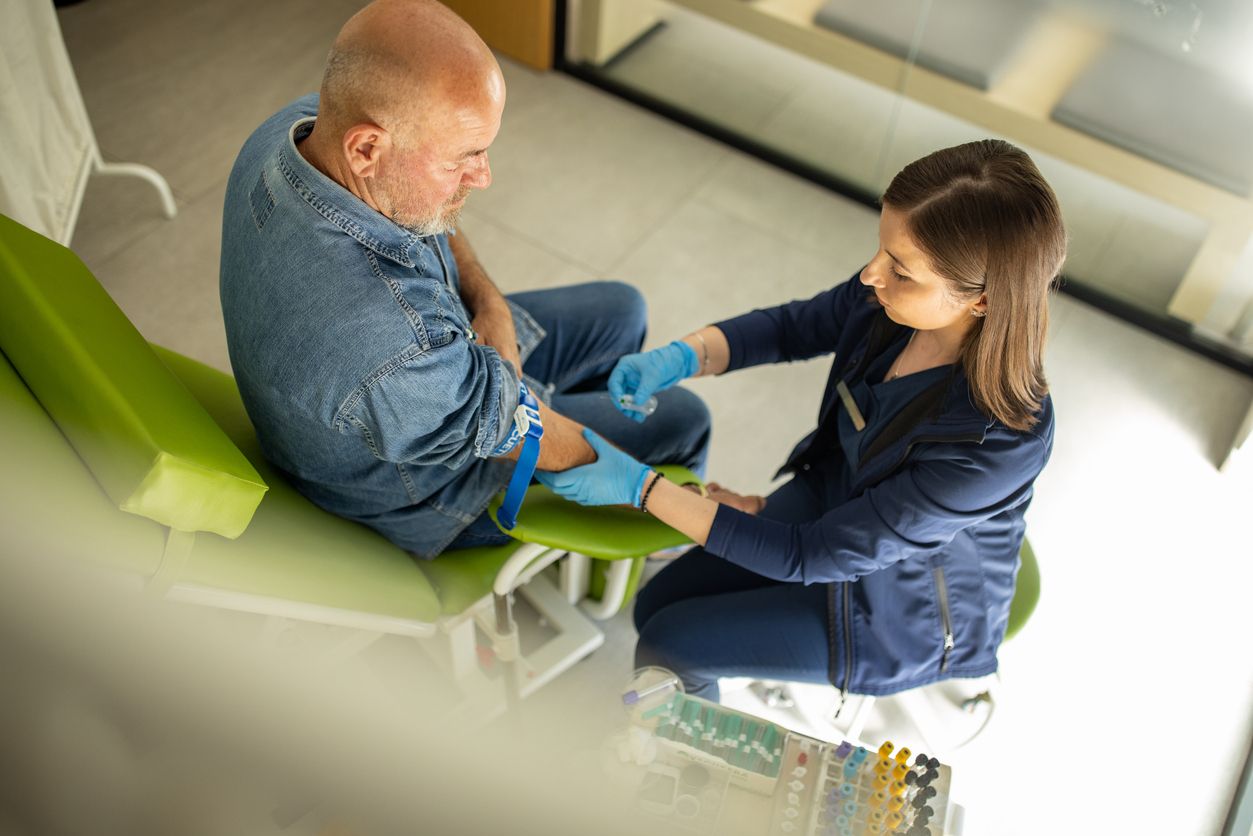
Each of these simple and common tests requires that the patient have a blood draw. The amount of sugar in the blood is measured. The differences between the tests are when the blood is drawn relative to eating and how they measure blood glucose.
Fasting Plasma Glucose (FPG)
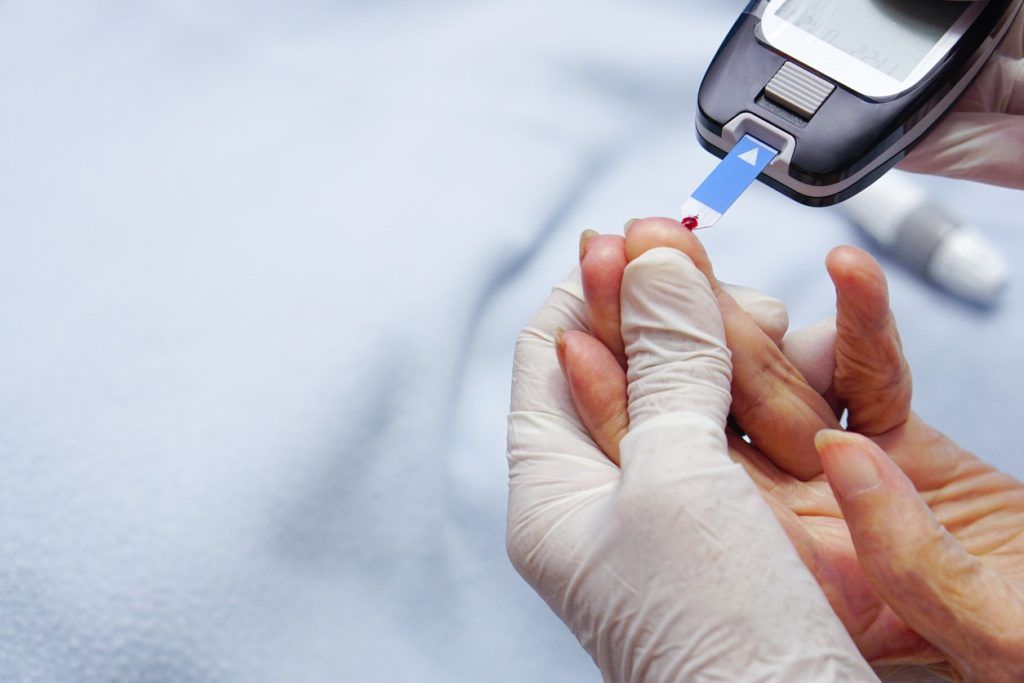
The fasting plasma glucose test measures how much glucose, or sugar, is in the bloodstream when you haven’t eaten for a while. If your care recipient is undergoing this test, they will need to fast for at least hours. This means no food and no drinks with calories. Water, plain tea, and coffee are usually allowed. The FPG test is often done first thing in the morning to make fasting easier.
A normal FPG result is considered to be less than 100 milligrams of sugar per deciliter of blood, measured as mg/dL. A result between 100 and 125 mg/dL is considered prediabetes. A result over 125 mg/dL is considered diabetes.
A1C
The A1C test measures average blood sugar levels over a period of a few months. It does not require fasting before the blood draw. The A1C test measures the percentage of hemoglobin in the blood that is coated with sugar. Hemoglobin is a protein in red blood cells.
A normal, or healthy, result for an A1C test is less than 5.7%. Prediabetes is diagnosed when results are between 5.7% and 6.4%. Results higher than 6.4% are diagnosed as diabetes.
Oral Glucose Tolerance Tests (OGTT)
This test takes two hours, while the others only take as long as a blood draw. The OGTT takes longer because it measures blood sugar levels before and after consuming a sugary drink. The patient has blood drawn before drinking it and then two hours after drinking it. Like the FPG test, it does require fasting and is often done in the morning.
The OGTT measures how well the body responds to sugar. It is often used to diagnose gestational diabetes. The units of measurement are the same as for the FPG test. A normal result is less than 140 mg/dL. A result between 140 and 199 mg/dL is considered prediabetes, while results of 200 mg/dL or higher are considered diabetes.
Random Plasma Glucose Test
A random test is a blood draw at any time, regardless of fasting or eating sugar. Your care recipient might be given this test if you go to an appointment and report symptoms similar to those caused by diabetes. If the result of this test is 200 mg/dL or higher, your loved one will need another test to confirm diabetes.
Differentiating Between Type 1 & Type 2 Diabetes
Although they have different causes, both type 1 diabetes and type 2 diabetes give the same results on blood glucose tests. The onset of high blood sugar in adulthood, especially with other risk factors like being overweight, usually indicates type 2 diabetes.
However, it is possible to be diagnosed with type 1 diabetes in adulthood. Treatment is different, so it’s very important to get the diagnosis right. Blood sugar tests alone are not enough to distinguish between type 1 and type 2 diabetes.
The test for type 1 diabetes also requires a blood draw, but not to measure sugar. This test measures specific auto-antibodies. These are proteins that indicate the immune system is involved. Doctors often need to measure more than one of these proteins to confirm a diagnosis of type 1 diabetes.
If your care recipient receives a diagnosis of diabetes, they will most likely be put on treatment for type 2. If the treatment doesn’t seem to help, they might be tested for type 1 diabetes. Their doctor might also order a type 1 diabetes blood test if there are other clues that they might have this type. For instance, if they have a low or healthy body mass index.
Should Your Care Recipient Be Tested For Diabetes?
Most adults can benefit from regular screening because symptoms aren’t always present. However, you should always consult a doctor for specific clinical guidance. If your care recipient does have diabetes symptoms (fatigue, increased thirst, etc.), they should be tested as soon as possible.
Your care recipient should definitely be tested for diabetes if they have risk factors. Risk factors for developing type 2 diabetes include:
- Being older
- A family history of diabetes
- A high body mass index or being overweight or obese
- A sedentary lifestyle
- Eating a poor diet
Diagnosing and managing diabetes, or even prediabetes, as early as possible is essential for overall health. Untreated high blood sugar can lead to serious complications like high blood pressure, cardiovascular disease, heart disease, kidney disease, and more.
Helping your care recipient get screened now, whether or not they have symptoms, can help ensure they get the medical care they need to avoid complications.
References
- American Diabetes Association. (n.d.). Gestational diabetes. American Diabetes Association.
- American Diabetes Association. (n.d.). Statistics about diabetes. American Diabetes Association.
- Centers for Disease Control and Prevention. (n.d.). Diabetes testing. CDC.