
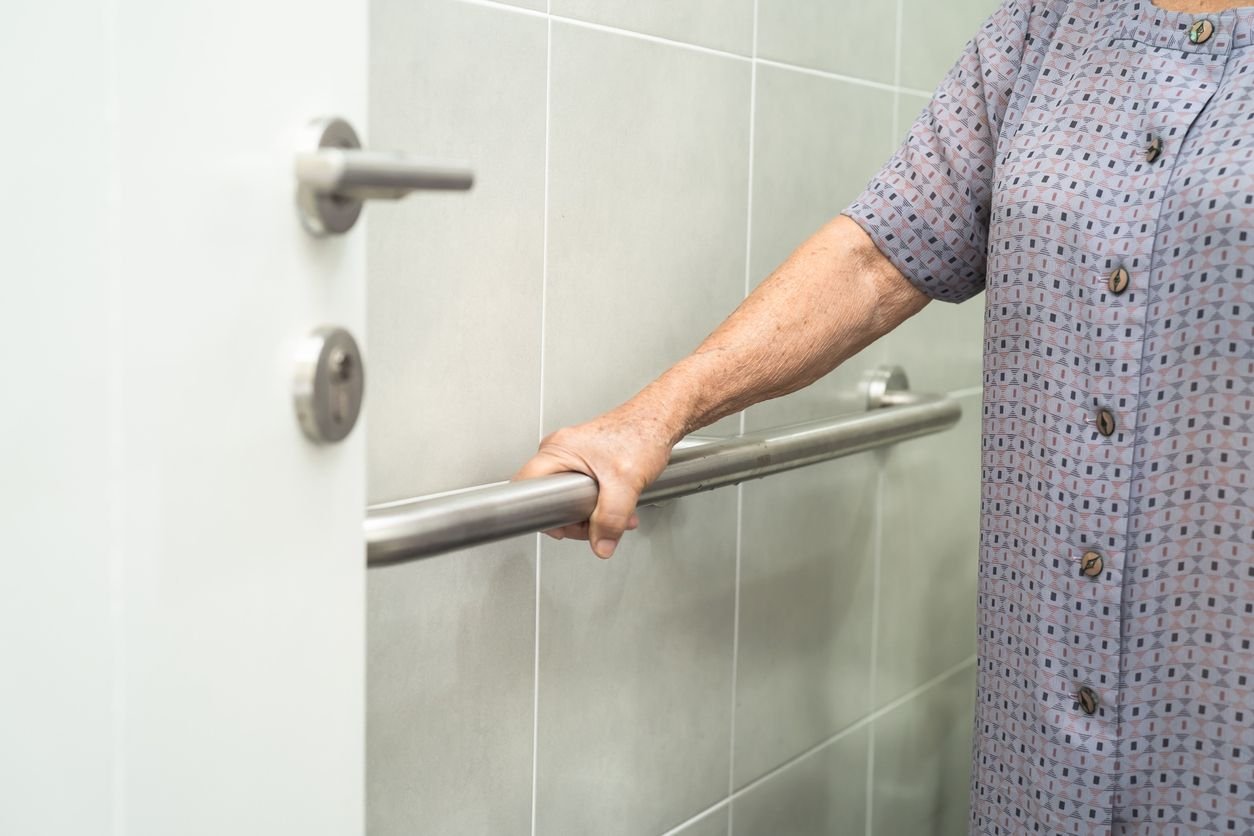
Grab Bars Installation Covered By Insurance? Caregiver Guide
According to researchers, “environmental features of the bathroom cause the greatest risk of falls compared to other areas in the home”. Showering and bathing are daily tasks that pose major risks to care recipients, causing hospitalizations and increased medical costs. Studies show that in the US, the 8th leading cause of non-fatal injury is accidents in the shower and bathtubs, costing an average of $20 million per year.
For these reasons, modifying and optimizing the bathroom for safety is important. One way to do this is by installing grab bars. In this article, we’ll explore the following:
- Definition and types of grab bars
- Safety tips for grab bar installation
- Insurance coverage of grab bars
To learn more about bathroom safety equipment, home modifications, and other caregiving topics, check out if you have free access to Trualta.
What Are Grab Bars?
Grab bars are durable medical equipment that can be installed in areas that pose a high risk for falls to provide additional support for the person you care for. A common space they’re installed in is the bathroom or shower, where someone can hold on when standing or sitting to give them more stability.
Grab bars can come in different shapes and sizes, and all have different purposes:
- Horizontal grab bars provide the most support once the individual is already standing and needs assistance to balance.
- Vertical grab bars give the user more support when transferring from sitting to standing.
- Flip up U-shaped grab bars are often installed around the toilet. They can swing up and sit flush with the wall when the user isn’t planning to hold onto them, which helps save space in the bathroom.
Note that suction grab bars also exist. They’re temporary grab bars that can be installed in the shower or the bathroom. However, these grab bars are NOT recommended as they pose a large safety risk due to the nature of the suction cups and the risk of dislodgement from the wall.
Grab Bar Installation
To ensure grab bars are installed safely and correctly and to code, hiring professionals like home modification specialists for the job is best. Some key principles to remember when installing grab bars are:
- Choose the best placement. Ensure that the bar is in a location where the user can reach it when transferring to stand from the toilet or getting in and out of the shower.
- Check the grab bar’s weight capacity. Grab bars usually have a weight limit, which can range between 250 and 500 pounds, depending on the type and make of the grab bar. Check the product before you install it!
- Test the grab bar before use. Apply some force to the bar to ensure it’s safely mounted to the wall and will not slip when the care recipient uses it.

Insurance Coverage
Many people know they need grab bars to ensure their safety but aren’t sure if insurance will cover them. Below, we’ll explore different insurance types and investigate how to know if your loved one’s insurance covers the installation of grab bars.
Original Medicare
Medicare is a government-funded healthcare plan for people 65 or older. Sometimes, individuals younger than 65 with certain disabilities can also be covered under Medicare.
There are two parts to Medicare coverage:
- Part A covers inpatient care, including hospitalizations, hospice, and skilled rehab services.
- Part B covers services such as outpatient care, home health care, some durable medical equipment, and other preventative services.
Medicare coverage for grab bars can be confusing. In most cases, original Medicare doesn’t cover grab bars or their installation process as they don’t fall under the approved durable medical equipment list on their website. This means that individuals with original Medicare coverage must purchase grab bars as an out-of-pocket expense.
Medicare Advantage
A Medicare Advantage Plan is an alternative to original Medicare and is sometimes considered Medicare Part C. It’s a health care plan offered by a private company that partners with Medicare and can provide a few more benefits than original Medicare offers.
Some Medicare Advantage plans may cover grab bars and their installation. However, you should follow up with your specific plan to determine if the person you care for has a plan that qualifies.
Medicaid
Medicaid is a state and federal health care program that provides health insurance coverage to low-income adults and children with disabilities who have limited resources. The coverage available to individuals in this program depends on their state. In some states, grab bars are covered if a healthcare provider deems them medically necessary.
Medicaid waiver programs offer home and community-based services to individuals who meet certain criteria established by the state. Waivers may cover the cost of home modifications like grab bars. The best way to find out is to follow up with the state regulations that your loved one lives in to learn if grab bar installation is covered.
Private Health Insurance
Private health insurance coverage can vary widely between plans. Grab bars and their installation might be covered if a healthcare provider deems them medically necessary and they are part of their treatment plan. Some plans may only cover the grab bars and not the installation cost.
As a caregiver, you should check with the care recipient’s plan to determine if this is an option and work with their healthcare provider to get the necessary prescription for installation and coverage.
VA Coverage
If you care for a veteran enrolled in Veterans Affairs health care, grab bars and their installation can be covered if they are recommended as medically necessary by their primary care physician or rehabilitation team.
Veterans may qualify for additional grants and programs that could allow them to receive home modifications like grab bar installation. Here are some examples:
- Home Improvements/Structural Alterations (HISA) is a benefit that provides medically necessary adaptations to the service member’s primary residence to allow them to access their home and bathroom. An individual doesn’t have to have a service-related disability to be considered for this program.
- Specialty Adapted Housing (SAH) Grant is a grant given to someone who has a service-connected disability (like blindness or loss of a limb) and is hoping to renovate their home to make it more accessible. To be considered for this grant, an individual must qualify and go through the application process.
Conclusion
A grab bar is an important type of bathroom safety equipment that helps ensure your loved one is stable and steady when in the bathroom. Grab bars and their installation coverage varies across all insurance plans. As a caregiver, it’s key to understand your loved one’s insurance plan and work closely with healthcare providers to determine if installing a grab bar is a service that can be covered by insurance. In doing so, you’ll be doing the best thing to keep the person you care for safe and prevent bathroom-related injuries.
To learn more about bathroom safety equipment, home modifications, and other caregiving topics, check out if you have free access to Trualta.
References:
- Gallo, L., Di Martino, G., & Rizzo, G. (2021). Accessibility, home modifications, and health-related quality of life of older adults: A systematic review. Frontiers in Public Health, 10, 915100. https://doi.org/10.3389/fpubh.2022.915100
- House Method. (2020, October 15). How to install a grab bar in your bathroom | Bathroom safety tips. YouTube. https://www.youtube.com/watch?v=Yk8D2M67BGw
- Angi. (2023, June 23). Types of shower grab bars. Angi. https://www.angi.com/articles/types-of-shower-grab-bars.htm?utm_source=chatgpt.com
- GrabBars.com. (2023, August 15). Should grab bars be vertical or horizontal?. GrabBars.com. https://www.grabbars.com/articles/should-grab-bars-be-vertical-or-horizontal/?srsltid=AfmBOoqpkPfKPM2v2hs3WCZwpD0VGwMS96cU5kHJXcYEtfVn2Rxy4l9y
- MedicareFAQ. (2023, February 10). Does Medicare cover bathroom safety devices like grab bars?. MedicareFAQ. https://www.medicarefaq.com/faqs/medicare-coverage-for-bathroom-safety-devices/
- AARP. (2023, September 19). Does Medicare cover home safety equipment?. AARP. https://www.aarp.org/health/medicare-qa-tool/does-medicare-cover-home-safety-equipment.html
- Centers for Medicare & Medicaid Services. (2021). Understanding Medicare Advantage Plans (Publication No. 12026). U.S. Department of Health & Human Services. https://www.medicare.gov/publications/12026-understanding-medicare-advantage-plans.pdf
- Medicare Advantage. (2023, January 12). Does Medicare cover grab bars?. Medicare Advantage. https://www.medicareadvantage.com/coverage/does-medicare-cover-grab-bars
- U.S. Department of Veterans Affairs. (n.d.). Disability housing grants. U.S. Department of Veterans Affairs. https://www.va.gov/housing-assistance/disability-housing-grants/
- McClurg Team. (2023, May 1). Shower grab bars 101: A professional’s guide to safety rails. McClurg Team. https://www.mcclurgteam.com/blog/shower-grab-bars-101-a-professionals-guide-to-safety-rails#:~:text=A%20bathroom%20grab%20bar%20must,of%20up%20to%20500%20pounds.


