How To Find The Best Oncologist Near Me
Finding an oncologist is an early and important step in getting good-quality cancer care. From major hospitals to private practices to cancer centers, cancer treatment options can be found in many settings.
Cancer care involves many specialists but is organized by an oncologist. Oncology is the study and treatment of cancer. Finding the best oncologist is essential for good outcomes.
Interested in learning more about cancer and caring for someone with cancer? Check if you have free access to Trualta.
What Is An Oncologist?
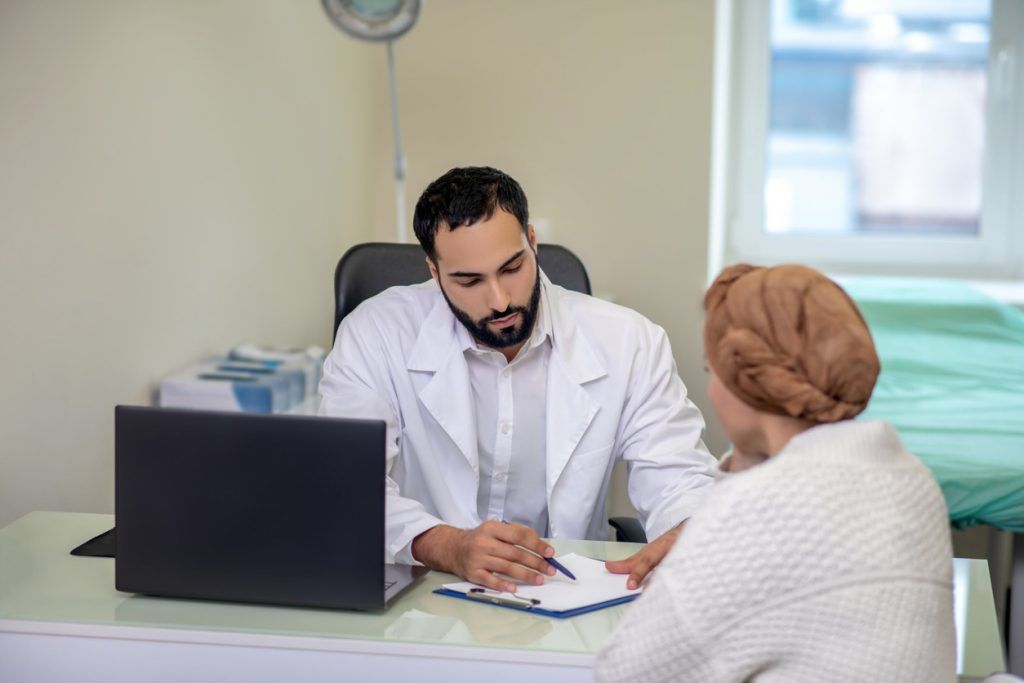
First, it’s important to understand what an oncologist is and who the other medical professionals involved in cancer care are. In the simplest words, an oncologist is a cancer doctor, and oncology is the study and treatment of cancer. There are many types of specialists in oncology. The kind you need depends on your cancer diagnosis:
- Medical Oncologist. Most patients benefit from medical oncology. This includes treatment options with medications, such as chemotherapy or immunotherapy drugs.
- Hematologist. Hematology focuses on blood disorders, including blood cancers, like leukemia.
- Surgical Oncologist. Surgical oncology is the surgical treatment of cancer. Surgery is not an option for all patients. Surgical oncology is divided into a few types of cancer surgery: breast, thoracic, general, and others.
- Radiation Oncologist. Many cancer patients need radiation oncology, usually with surgery or chemotherapy.
Some oncologists also specialize in specific types of cancer, for example, bladder cancer, cervical cancer, brain cancer, or bone cancer. It’s important to choose an oncologist with expertise in the patient’s cancer and treatment options.
Where To Look For A Cancer Specialist
Unless you have a rare type of cancer or live in a rural area, you can probably find a qualified oncologist nearby. Your care recipient might be referred to a local oncologist after a cancer screening by their primary physician or internal medicine doctor, but they don’t have to stick with that oncologist after getting a cancer diagnosis.
If you’re helping them look for an oncologist of any type, start with the closest cancer center. Even though hospitals and private practices may have good oncologists, cancer centers have more specialists available in one place. You’ll have more choices and a better chance of finding someone with the right expertise.
Here are some other resources you can use to find a cancer doctor:
- The National Cancer Institute
- The American Society of Clinical Oncology
- The American Board of Medical Specialties
- The American College of Surgeons
What To Look For In An Oncologist
It’s not hard to find an oncologist for cancer treatment, even for new patients. It’s more difficult to decide which specialist is right for you and your loved one’s care. Here are some factors to consider:
Experience & Expertise
This is so important. If you have lung cancer or skin cancer, you want an oncologist with the right expertise and experience treating other lung or skin cancer patients. Don’t be afraid to ask doctors about their experience, areas of speciality, and patients they’ve cared for.
Board Certification
You can also ask doctors about their training and credentials. A board-certified physician has been through extra training. They have passed exams in medical specialties, like hematology, medical oncology, or gynecologic oncology.
Location
Not everyone can travel for cancer treatment. If your care recipient has transportation or financial barriers, they may need an oncologist located close to home for convenient care.
Access To Other Specialists & Treatments
The best cancer treatment is delivered by a team of specialists, not a single oncologist. Your lead oncologist might specialize in surgery or medical treatment, but they should be able to consult with other specialists. They should also have access to all types of cancer treatments, including new and improved technologies and clinical trials.
Good Communication & Bedside Manner
Finally, it’s important to work with a cancer doctor with more than just expertise. They should be able and willing to explain things to you clearly and keep you up to date on important information. They should have a bedside manner that makes the cancer patient feel comfortable and valued.
Helping your loved one and care recipient find an oncologist is an important task. While early detection is important and treatment should start as soon as possible, you also need to take some time to find the right doctor for the best care.
References
- American Cancer Society. (n.d.). Choosing a cancer doctor.
- National Cancer Institute. (n.d.). NCI-designated cancer centers.
- American Society of Clinical Oncology. (n.d.). ASCO.
- American Board of Medical Specialties. (n.d.). ABMS.
- American College of Surgeons. (n.d.). Find a surgeon.
- American Cancer Society. (2025, August 8). Choosing a cancer doctor.