Inpatient Stroke Rehabilitation: Family Tips
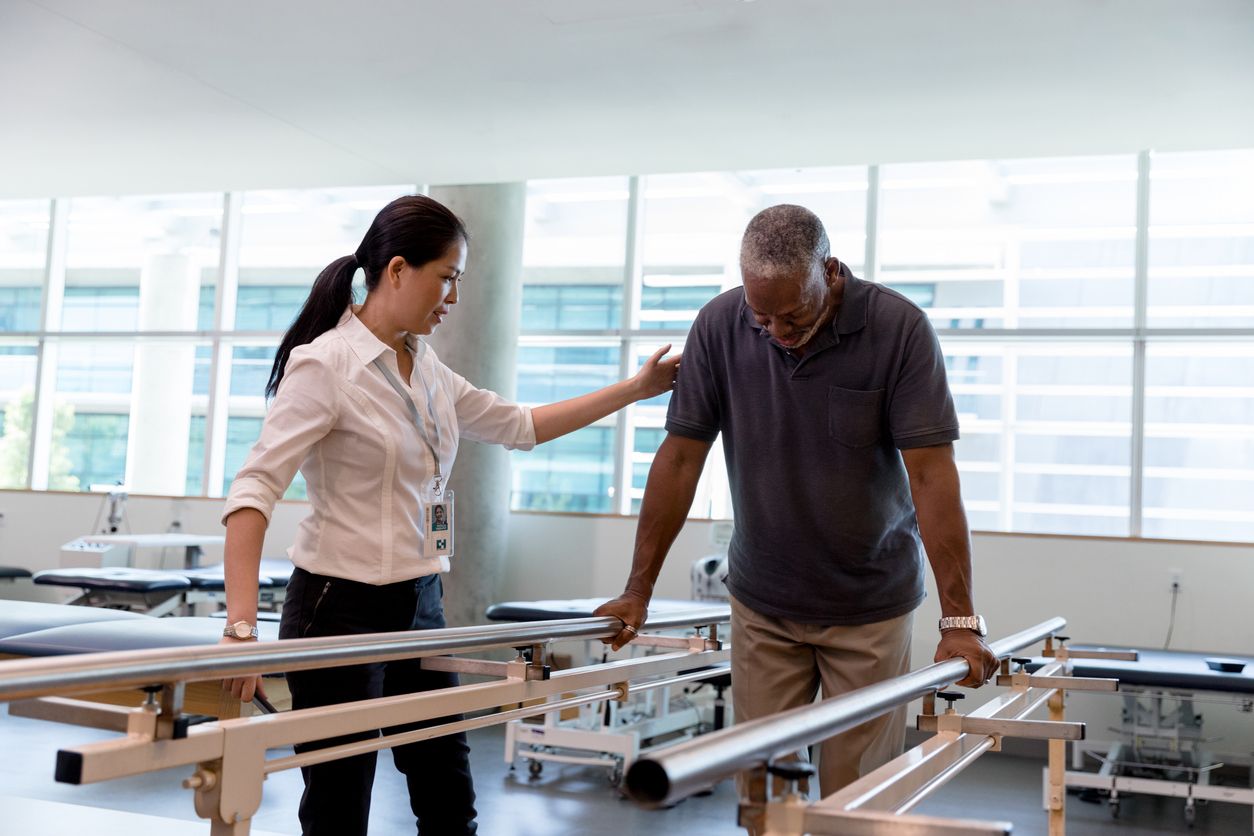
After someone has an acute stroke, rehabilitation should take place as soon as possible. Depending on the impairments from the stroke, an inpatient rehabilitation facility may be an appropriate next step after discharge from the hospital. The goal of inpatient rehabilitation is to help patients get stronger, improve mobility, and return to their day-to-day tasks.
This article will explore inpatient stroke rehabilitation and provide important tips for family members to support their loved ones.
For more information about caring for a stroke survivor, or to connect with other caregivers, check if you have free access to Trualta.
What Is Inpatient Stroke Rehabilitation?
An inpatient rehabilitation facility is often located on a floor of a hospital or a stand-alone building. Here, stroke survivors can receive therapy and progress along their healing journey.
Staff members of inpatient rehabilitation facilities include:
- Physical Therapists
- Occupational Therapists
- Speech Language Pathologists
- Medical doctors
- Nurses
- Social workers
- Psychologists
When a patient is admitted to an inpatient rehabilitation program, the therapists perform their evaluations and decide on a length of stay with the rest of the medical team.
Family’s Role In Inpatient Rehabilitation
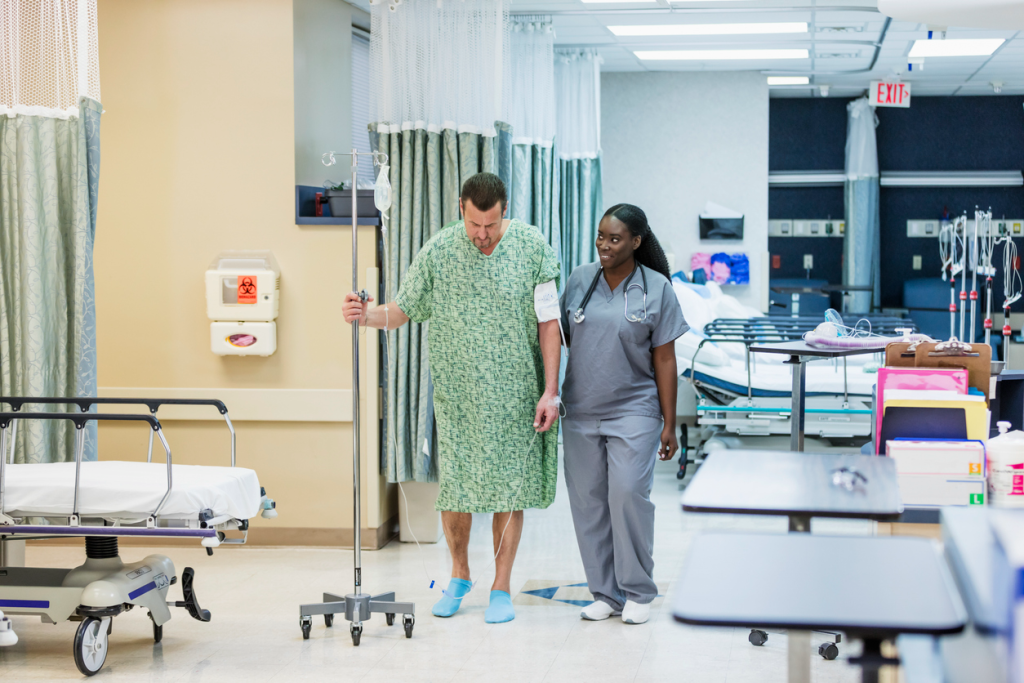
The family plays a crucial role in stroke recovery. Family members provide emotional support, encouragement, and care as the stroke survivor works through this major health challenge. Having family involved can boost motivation and improve recovery outcomes.
Here are some helpful tips for families on best supporting their loved one through rehab.
Tip #1: Educate Yourself
An important first step for family members is to educate themselves about their loved one’s medical condition.
Important pieces of knowledge to learn include:
- The type of stroke they had
- What may have caused the stroke
- Their current impairments
- The expected prognosis and recovery
Family members benefit from a strong knowledge base of the care recipient’s current medical condition. This allows them to have helpful conversations with the medical team and truly understand what doctors explain to them. It also helps families anticipate the person’s needs once they return home after rehab.
Tip #2: Be Involved In The Recovery Process
Research studies have shown that family presence in the hospital and during rehab is associated with shorter lengths of stay and more positive outcomes than if they weren’t present.
Here are some ways families can be more involved in the rehab process:
- Attend therapy sessions. Ask if you can join any speech, physical, or occupational therapy sessions to encourage your family member and see what they’re working on. The therapists may train you in safe handling techniques for transfers or teach you how to help them get dressed in the morning.
- Ask for home exercises to practice with your loved one. Request homework exercises you can work on with your loved one when they’re not in therapy. Often, therapists give strengthening, range of motion, balance, or speech exercises to maximize patient progress.
- Be present during rounds. Try to get to their room early in the morning to be present when the medical team rounds on the patient. This is a time when members of the medical team review updates on the stroke patient, and by being present, you can listen, ask questions, and understand the treatment plan.
- Offer a listening ear and encouragement. Spend time with your loved one after therapy sessions or during their meals to encourage them and be a safe place for them to open up to you, share their feelings, and receive support from you.
Tip #3: Establish Rapport With The Medical & Therapy Team
Try to get to know your family member’s physical medicine and rehabilitation team while they’re in their stroke rehabilitation program. Introduce yourself to their therapists, doctors, and nurses. This can improve communication between the medical team and you during your loved one’s rehab journey.
Tip #4: Offer Emotional Support
A stroke is a major life-changing event. Your family member is likely experiencing many emotions, such as sadness, frustration, fear, and anxiety. As their family member, you can serve as a solid source of comfort, encouragement, and reassurance as they recover.
Some important tips as you support your loved one emotionally include:
- Be patient with your loved one as they navigate this new “normal”. It may take them longer to say what they want to say due to aphasia, or they may need more help getting dressed than before. Staying patient is key when you’re a family member of someone who has had a stroke.
- Offer to talk about their feelings, but don’t force it.
- Facilitate their independence. Little things may take them a long time to accomplish, but allowing them to complete the task or activity independently can inspire a sense of self-efficacy.
- Stay positive and uplifting. Encouraging them and celebrating small wins is an important role you can play.
Tip #5: Make The Transition Home Successful
A main goal of inpatient rehabilitation is to facilitate a safe return home. As a family member and caregiver, you’ll likely assist with your loved one’s mobility and daily care tasks at home.
Here are some important things to ask about or remember during your loved one’s inpatient rehab stay:
- Ask for family caregiver training. Physical and occupational therapists can teach you hands-on skills to help your loved one stand up, transfer to the toilet, walk, or climb stairs. This hands-on training can help make the transition home successful and safe.
- Ask about necessary durable medical equipment. You may need a ramp to get into the house or a shower chair to ensure their safety in the shower. Knowing this ahead of time helps you prepare appropriately.
- Understand the next steps for therapy. Ask about the follow-up for outpatient rehabilitation after discharge, and ensure you have the appropriate referrals and orders to make this happen.
Tip #6: Take Care Of Yourself, Too!
Being a family member and a caregiver can take a mental, emotional, and physical toll. To properly care for others, you must make time to care for yourself.
Here are some tips to avoid caregiver burnout:
- Ensure you’re getting enough sleep at night.
- Use proper body mechanics to prevent injury if you’re physically helping your loved one.
- Use a rotating schedule for family members and other caregivers to prevent one family member from becoming burned out.
- Consider joining a caregiver support group. Support groups offer caregivers a safe place to voice their stressors and emotions and ask questions, making them feel less alone on this journey.
Key Takeaways
- Rehab should begin early after a stroke to improve strength, mobility, and daily function.
- Inpatient rehab provides coordinated care from therapists, doctors, nurses, and other specialists.
- Family involvement matters: Attending sessions, asking questions, and offering encouragement can boost recovery.
- Learn about the stroke and recovery process to better understand your loved one’s needs and communicate with the care team.
- Build relationships with the rehab team for better coordination and support.
- Prepare for going home by learning safe care techniques and arranging necessary equipment.
- Take care of yourself to avoid burnout and stay healthy while supporting your loved one’s recovery.
References
- Cedars-Sinai. (2024). How to support a loved one after a stroke.
- Evoke Wellness. (2025). How Family Involvement Can Strengthen Recovery in an Inpatient Rehab Setting.
- Mayo Clinic Staff. (2023). Caregiver stress: Tips for taking care of yourself.
- Ofori, A. A., Keenan, L., & Ofei, A. M. A. (2024). The role of family-centered care in enhancing stroke rehabilitation outcomes: An integrative literature review. ResearchGate.
- Sacco, R. L., Amin, D., & Feigin, V. (2020). Family physical presence in the stroke recovery process: Impacts on health and cost. Neurology, 94(15_Supplement), 4597.