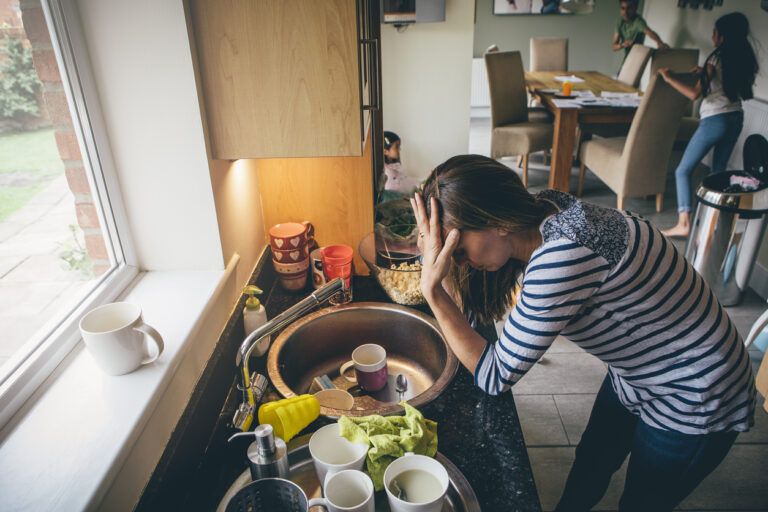
Selfish To Want Time For Yourself? Sandwich Generation Dilemma
Every caregiver has, at one time or another, asked themselves this question. Across caregiving situations, many caregivers struggle with allowing themselves time to take a break and recharge. You might be:
- Caring for growing children and want a night off for a date or to see friends.
- Working a full-time or part-time job and worrying about the financial burden of taking time away for caregiving.
- Caring for older relatives or aging parents and are feeling stretched too thin.
For sandwich generation caregivers, you might be doing all three. Trualta offers educational tools and support resources for caregivers who are at risk for burnout. Check if you have access.
What Is The Sandwich Generation?
When we imagine someone who is in the “sandwich generation”, we may think of someone who is in Generation X (Gen X), or a person who is over 40 years old. However, the sandwich generation definition includes any adult who is providing unpaid care for multiple generations at the same time. This includes:
- An adult over 65 years old (usually an aging parent), and
- A young child under 18. They may also be financially supporting an adult child.
In addition to caregiving responsibilities, these sandwiched caregivers typically balance time spent caring for others with employment and maintaining their homes. This results in a lot of time dedicated to others’ needs and very little time for their own.
Over time, many of these caregivers become so overworked and overwhelmed with responsibilities that their well-being is put at risk. They might experience:
- Stress from needing to provide care for diverse needs. Older adults have different care needs than children or young adults.
- Feeling like they need to sacrifice self-care in order to prioritize the needs of others.
- Difficult emotions like loneliness, resentment, and frustration.
Stats On Sandwich Generation Caregivers
A 2021 survey from the Pew Research Center found that nearly a quarter of adults in the United States were considered part of the sandwich generation. For individuals in their 40s, this number rises to 54%. These statistics remain the same for adults across racial, ethnic, and gender groups.
How Sandwich Generation Caregivers Feel About Breaks
The lesser-known challenge about being a sandwich generation caregiver is this: while you may feel yourself becoming more mentally, emotionally, and physically exhausted each day, you likely still focus on your perceived shortcomings. You may tell yourself that you are still failing to meet everyone’s needs, and no amount of care or attention you give may feel like enough.
Like other unpaid, informal caregivers, sandwich generation caregivers may struggle with taking time for themselves to rest and recharge. Even though you know you’d feel better, it can be hard to take a break because you:
- Hold yourself to high (usually unrealistic) expectations. You might have a specific idea of what the “perfect” caregiver is. You might tell yourself that you’re the only one who knows how to do a care task properly, so you won’t ask for or accept help from others.
- Compare yourself to other sandwich caregivers. You might tell yourself that other caregivers don’t need breaks, so you shouldn’t take them, either. Oftentimes, we tell ourselves that other people are managing better than we are when we don’t actually know the whole story.
- Feel like you’re burdening others. Taking a break can mean leaning on others for support or asking them to fill in for a few hours. Caregivers may tell themselves that they’re being a burden to others.
- Want to make up for times when you became angry, frustrated, or resentful with your aging parent or child.
Many of these feelings are associated with guilt. You may feel guilty because you’re not meeting perceived expectations or obligations. You might also feel grief because:
- Your relationships with your parents and children are changing (or not what you expected). For example, you may not have envisioned yourself as a primary caregiver to your parents. You may be experiencing some tension as your children age into teenage years.
- Your role in your parents’ and children’s lives is changing. For example, children becoming more self-sufficient, or your aging parent being more reliant on you for basic self-care tasks.
- You are mourning the life you wanted with your children or parents. For example, family movie nights every Friday may have been replaced by caregiving duties.

Why Taking Time For Yourself Is Necessary
Not taking time for yourself can lead to caregiver burnout: a state of physical, emotional, and mental exhaustion from not meeting your own needs and having too many caregiving demands placed on you all at once. Symptoms of caregiver burnout include:
- Neglecting self-care
- Trouble sleeping
- Losing or gaining lots of weight in a short period of time
- Not doing well at work, poor productivity, or frequent absences
- Having trouble concentrating
- Not engaging in activities you need to do or used to enjoy
- Feeling emotionally fragile, sadness, or despair
- Feeling frustrated, angry, or like you want to lash out
Other people in your life might notice that you’re burned out. They may tell you that they’re worried about you.
5 Ways Sandwich Caregivers Can Make Time For Themselves
So–is it selfish to take time for yourself? Not at all! In fact, taking time to meet your own needs and giving yourself a break to recharge is a vital part of caregiving. It can help:
- Improve care outcomes for your care recipient
- Support your emotional and physical health
- Reduce stress
- Improve your relationships with your parents, children, and others in your life
- Reduce feelings of isolation and loneliness
- Prevent caregiver burnout
Here are some practical strategies you can try today to help you make time for yourself and get a much-deserved break:
1. Brainstorm Ways To Recharge
Everyone has different ways that they like to recharge. For one person, they might feel relaxed when they engage in social activities with friends. Another person may like to sit in a sunny corner of the living room and read a novel. Make a list of at least 10 activities that help you regain energy and ones that help you rest.
2. Make Time For Different Types Of Breaks
A break doesn’t have to be the same length every time. And let’s face it–while baking cookies might be your favorite way to recharge, you won’t have the time to do that every day!
With your list of activities, categorize them into small, large, and medium breaks. This will make it easier to take breaks and fit them in with caregiving demands. Some days, you may have more time on your hands, while on others, you may only have 15 minutes to take a breather. Here are some examples:
- Small breaks (10-30 minutes): drink a warm beverage, take a walk in the garden, or read a chapter of your book.
- Medium breaks (1-2 hours): take a class, watch a TV show, or engage in a hobby.
- Large breaks (3 hours+ or full days): eat at a restaurant, see a movie, go out for a date, or take a vacation.
3. Fit Them Into A Schedule
Many caregiving tasks fall into a daily schedule: make breakfast for mom, drop off the kids at school, pick up the dry cleaning… You get the picture.
Now that you have a list of ideas for how you like to regain energy, it’s time to block time in your schedule for it. Much like your other caregiving activities, this tells your brain that this break is an essential task that you need to get done. Rather than a non-committal “I’ll make more time to relax”, you’ll be more likely to commit to it if you schedule a block of time for your recharging activity.
4. Find New Ways To Get Tasks Done
It can be hard to let go of perfection, especially when you know how to do a caregiving task “the right way”. But it’s crucial to lighten your load as a sandwich caregiver. Here are some ideas for getting tasks done:
- Explore respite care options, like respite services, adult day care, or babysitting.
- Involve your children in household tasks or chores.
- Explore tasks you can afford to delegate, like a grocery delivery service.
- Find ways to automate. For example, getting prescriptions delivered instead of going to the pharmacy.
- Asking for help from others. For example, can a fellow parent include your children in a carpool to school a few times per week?
5. Explore Leisure Activities
Making time to engage in a hobby does more for caregivers than simply giving them a fun distraction. Caregivers can experience:
- Reduced stress and improved mental health
- Improved social relationships
- Increased positive energy
- Emotional stability
- Increased self-and life-satisfaction
- Improved confidence
- Self-actualization
For many sandwich generation caregivers, the benefit of leisure activities comes from the sense of freedom. It’s less about the type of activity or hobby itself. Whether you choose woodworking or knitting, being able to “escape” for a while and gain a sense of control is where caregivers reap the benefits.
So while scrolling on social media or taking a walk are helpful, try to also devote time to leisure activities like hobbies. If possible, take some time to do this every day or so. If you’re struggling to do this, try to find classes or activities you need to physically attend. This may help you devote your energy entirely to yourself and unplug from caregiving once in a while.
Remember, Trualta offers educational tools and support resources for caregivers who are at risk for burnout. Check if you have access.
References
- The Sandwich Generation and Mental Health – Verywell Mind
- More Than Half of Americans in Their 40s Are Sandwiched – Pew Research
- The Leisure Journey for Sandwich Generation Caregivers – ResearchGate
- Sandwich Generation Financial Stress & Burnout – Forbes
- Managing Caregiver Guilt – Alzheimer Society of Nova Scotia
- Caregiver Burden and Mental Health – PMC
- Caregiver Mental Health Study – PubMed
- Coping with Caregiver Stress – Blue Moon Senior Counseling
- 7 Tips for Dealing with Caregiver Guilt – Blue Moon Senior Counseling
- Managing Caregiver Guilt – Caregiver
- Caregiver Dynamics Study – ScienceDirect
- When Asking for Help Is Hard – Family Caregivers of BC
- Causes & Symptoms of Caregiver Burnout – Johns Hopkins
- The Caregiver’s Break – CJ Care Consulting
- The Sandwich Generation and Time Management – Woods Lake Home Care