Transforming Rural Health Starts at Home
When the Centers for Medicare & Medicaid Services (CMS) unveiled its $50 billion Rural Health Transformation Program (RHT Program) in 2025, the agency described it as a once-in-a-generation opportunity to re-imagine how rural America delivers and sustains care. The program’s goal is simple in theory: make rural America healthy again by empowering communities to improve healthcare access, quality, and outcomes through innovative care, partnerships, and workforce investment.
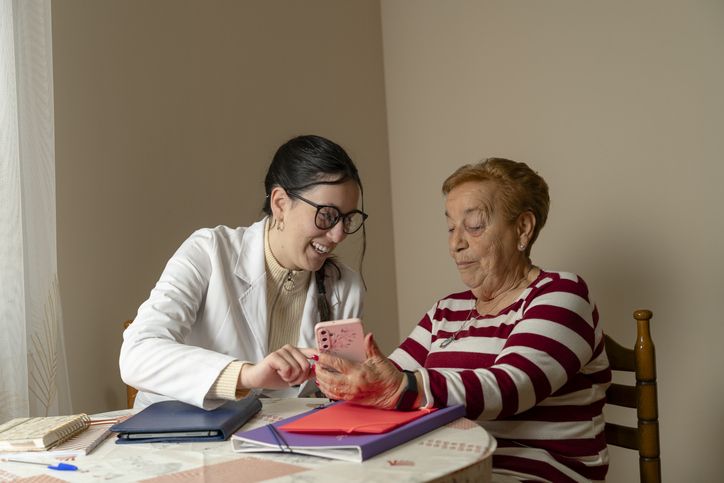
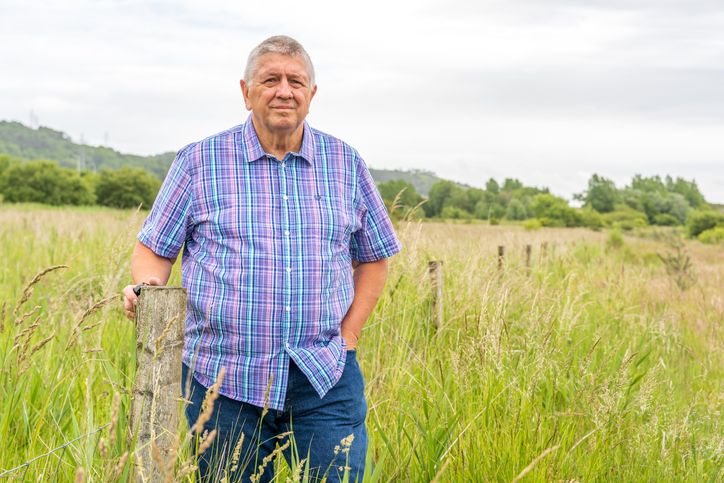
At Trualta, we know that lasting transformation for rural residents begins at home. We see it every day in the thousands of family caregivers we serve who are stepping in as the front line for rural areas where providers can be upwards of an hour away. While a variety of agencies are working on infrastructure projects, broadband expansions, and value-based payment reforms, it’s family caregivers who stand in the gap, extending rural health’s reach.
A $50 Billion Vision for Rural Renewal
Congress authorized the RHT Program through Public Law 119-21 (42 U.S.C. § 1397ee(h)) to help states “re-imagine their health care delivery systems and improve health outcomes” for rural residents
Every U.S. state is eligible to receive this funding through a cooperative-agreement award. This means that both CMS and the award winners will work together to ensure the dollars are spent appropriately in the manner that was approved and specified within each state’s cooperative agreement.
The program directs states to pursue five overarching goals:
- Make rural America healthy again – Support evidence-based interventions for prevention, chronic disease management, behavioral health, and maternal care.
- Ensure sustainable access – Strengthen and connect care across hospitals and rural facilities to maintain long-term service availability.
- Build the workforce – Recruit, train, and retain healthcare providers, community health workers, and other allied providers.
- Foster innovative care – Create new delivery and payment models that reward quality over volume.
- Advance tech innovation – Expand digital infrastructure, cybersecurity, and new technology-driven services and capabilities.
With awards expected to begin December 31, 2025, and continue over five budget periods, states have until December 31, 2031 to implement initiatives using the rural health fund. These innovative models must prove to be both impactful and sustainable.
Why Family Caregivers Are the Hidden Workforce
In rural America, family caregivers already shoulder much of the care continuum: managing medications, coordinating appointments with rural providers, monitoring chronic conditions, and even delivering post-hospital care after discharge. Yet they rarely appear in official workforce planning, or are considered members of the care team.
According to the AARP 2025 Caregiving in the U.S. report, 32% of caregivers who live in rural or small-town settings are also working salaried jobs, while just more than half, or 56% of rural working caregivers report telling their supervisor about their “second shift” duties at home.
For states designing RHT plans, empowering this invisible workforce offers an immediate, scalable solution to three of CMS’s five priorities: workforce development, sustainable access, and behavioral health.
- Workforce Development – Training caregivers extends the healthcare team without overburdening rural providers and clinics. With the right skills, unpaid caregivers can easily transition into paid roles to help fill the workforce shortage.
- Access – Empowered caregivers bridge geographic and resource gaps improving community health.
- Behavioral Health – Stress-management modules reduce caregiver burnout, a critical factor in mental-health resilience. Training caregivers and offering support builds stronger communities.
Trualta: Proven Results for Rural Caregiver Education
Trualta’s digital caregiver-education platform reaches households across 33 states, providing evidence-based learning on topics from dementia and chronic disease management to stress reduction and communication.
In 2024, Trualta’s “Moments That Matter” report analyzed three million minutes of caregiver engagement. Results showed:
- 93% of caregivers learned new skills.
- 90% gained confidence in managing daily living and care tasks.
- 87% improved their ability to manage stress.
- Among new users active ≥ 30 days, a 35% improvement in care-recipient outcomes and a 20% reduction in hospital visits were observed.
These data align tightly with Rural Health Transformation Program scoring metrics focused on measurable improvements in access, outcomes, and total cost of care.
How Does Trualta Map to RHT Funding Priorities?
Priority 1: Workforce Development
This also comes to play in Medicaid service. The goal is to expand the healthcare network able to serve the population needs in rural communities. By investing in caregiver training for unpaid family caregivers, health care providers are able to work at the top of their license, while low-level tasks are spread across family caregivers. ln theory reducing burnout across healthcare services.
Priority 2: Sustainable Access
Providers and rural health facilities need help creating additional access points across community health. Technology enabled training delivers scalable education using principles of adult learning. When caregivers are prepared and confident in their skills ED utilization and readmissions decreases because there’s better adherence to care plans.
Priority 3: Behavioral Health
The goal is to use evidence-based interventions to improve mental health service and behavioral health. Trualta’s education modules and virtual support groups address stress and caregivers feel less alone while also focusing on self-care.
Priority 4: Technology Innovation.
It’s imperative to foster the use of technologies that promote efficient care delivery and opens access to digital health tools. RHT is looking for mobile-friendly, low-connectivity education that compliments outpatient care through telehealth and remote monitoring initiatives.
Priority 5: Community Engagement and Data.
In rural communities, the best care happens when it can be delivered close to home. High quality healthcare access shouldn’t have to be hours away. At Trualta, platform engagement is a top priority because activities and minutes spent on our platform correlates to better health outcomes for care recipients.
What This Means for State Health Officials and Rural Healthcare Grants
Incorporating caregiver education through a platform like Trualta into your RHT application or implementation plan directly supports CMS evaluation priorities:
- Addresses at least three authorized uses of funds.
- Demonstrates workforce innovation and data-driven impact.
- Produces reportable metrics on access and outcomes improvement.
- Builds sustainability beyond the funding window (FY 2026–2031).
By positioning caregiver training as a formal component of the rural workforce strategy, states can capture early, high-impact results while meeting CMS expectations for measurable, sustainable transformation and innovative care delivery.
Maximizing Your RHT Funding
CMS explicitly encourages states to form strategic partnerships with “community-based organizations and provider associations” to design and execute RHT-funded activities. Trualta already collaborates with multiple states, including Managed Care and Medicaid Organizations, Area Agencies on Aging, and other Community-based programs.
As rural America looks to the next decade of healthcare and public health improvements, no rural health fund strategy is complete without supporting the invisible caregiver workforce. If your team is developing an RHT implementation plan or evaluating potential partners, connect with Trualta’s Rural Health Strategy Team. We’ll help you identify caregiver training pathways that satisfy CMS criteria, deliver measurable impact, and ensure that rural health transformation truly starts at home.
References:
- AARP. (2025.) Caregivers in the US Research Report.
- Centers for Medicare & Medicaid Services. (2025). CMS Rural Health Transformation Program. Opportunity number: CMS-RHT-26-001