Best Employee Benefit Survey Questions: How to Find Out If Your Employees Need Caregiving Support
At least one in four of your employees went home last night to a second shift managing medications, coordinating doctor appointments, helping an aging parent bathe, or sitting up late with a child who has complex medical needs. It didn’t come up during their performance review. The issue wasn’t highlighted in the employee benefits survey either. Instead, they simply carried the burden in silence.
This has become a workforce reality that’s draining productivity, accelerating turnover, and pushing talented people, particularly women, out of the workforce entirely. In a moment when some of the country’s most prominent employers are quietly scaling back family benefits, the organizations that enhance their benefits offering have a meaningful opportunity to stand out and gain employee loyalty. Prospective employees are evaluating your wellness program because their real life and work life must be able to blend.
The Numbers Your Benefits Strategy Is Missing
The 2025 AARP/National Alliance for Caregiving Caregiving in the US report puts the scope in sharp relief: approximately 63 million Americans are providing unpaid care to an adult or child with special needs.¹ The majority are employed, and many are part of the “sandwich generation,” caring simultaneously for aging parents and their own children while managing full-time careers.
The workforce cost is real. Caregiver employees report higher rates of absenteeism, reduced focus, and a greater likelihood of considering a job change or exit.¹ For women specifically, the caregiving burden is disproportionate, and it remains one of the most consistent drivers of women leaving the workforce mid-career.¹
Meeting Employee Needs: Why Employees Don’t Ask for Help
Broader survey results and data on workplace disclosure is telling. Most employees who are actively caregiving never identify themselves as such to their managers or HR partners. When asked why, sometimes it’s about stigma — other times, they simply didn’t know it was appropriate to bring it up, or assumed their employer wouldn’t have anything in their benefits program to offer. That’s the gap these sample questions are designed to help you close.
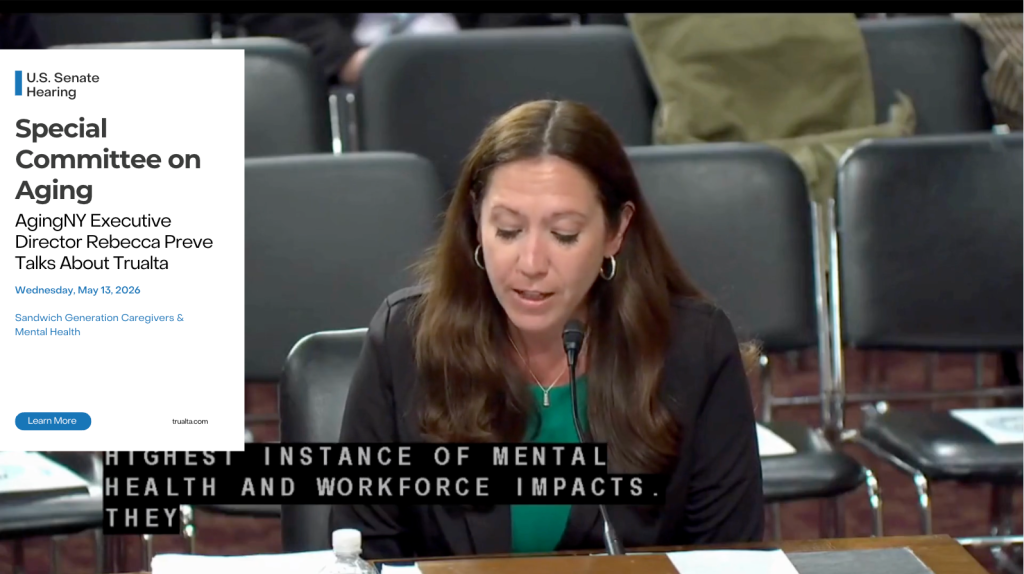
On May 13, 2026, Becky Preve, Executive Director of AgingNY testified at a U.S. Senate hearing—Special Committee on Aging and spoke about the mental toll caregiving can take on those in the workforce.
- 85% of sandwich generation caregivers report at least one adverse mental health impact
- Serious suicidal ideation is 8x higher in sandwich generation caregivers compared to the normal adult population
The mental health dimension matters in your wellness programs. Caregiver burnout is a recognized clinical phenomenon, not just job fatigue. Employees managing high-intensity care situations at home are at elevated risk for anxiety, depression, and physical health deterioration. All of which have direct and measurable implications for absenteeism and presenteeism, and ultimately employee retention.
Start With an Employee Survey: Ask the Right Survey Questions
Before you can design a benefits package with real support, you need to uncover employee needs and understand the scope of caregiving in your own workforce. Most employers genuinely don’t know how many of their employees are caregivers because they’ve never asked in a way that makes it safe to answer.
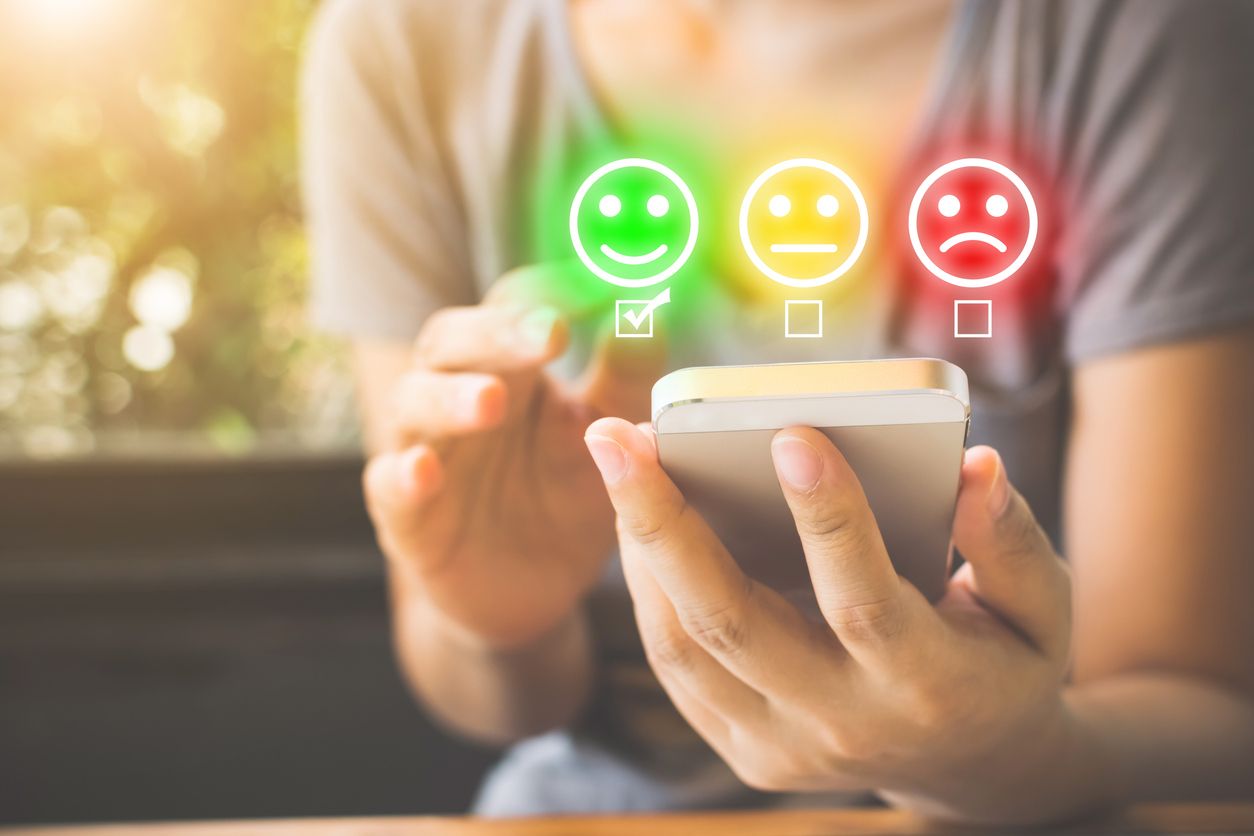
A few well-designed questions added to your next employee feedback or benefits survey can surface that data without requiring employees to self-disclose in uncomfortable ways. Three of the highest-value benefits satisfaction questions to consider:
Which of the following best describes your current caregiving situation outside of work?
- I am not currently providing care for a family member
- I occasionally help a family member with personal, medical, or daily needs
- I regularly provide care for a family member (aging parent, spouse, child with a disability, or other loved one)
- I am the primary caregiver for a family member
In the past 12 months, have any of the following happened as a result of caregiving responsibilities? (Select all that apply)
- Arrived late or left early
- Missed a full day of work
- Used PTO to manage caregiving needs
- Considered reducing my hours
- Considered leaving my job entirely
- None of the above
Which of the following types of support would be most valuable to you as a caregiver? (Select your top 3)
- On-demand training and education (caregiving skills, medical conditions, navigating the healthcare system)
- Mental health support specific to caregiver stress and burnout
- 1:1 coaching from a care expert
- Peer support groups with other working caregivers
- Help navigating care options and local resources
These three questions, used together, reveal employee preferences that no external industry report can tell you: the actual scope of caregiving in your workforce, why most of your caregiver employees have stayed silent, and what specific benefit or support would actually change something for them.
For more sample questions, download our employee benefits survey template here.
What Caregiving Support Actually Does for Your Organization
The business case for investing in caregiver benefits isn’t built on goodwill or HR trends. It’s built on employee retention math. When employees feel that their lives outside work are seen — that they don’t have to choose between being a good employee and being a good daughter, son, or parent — they stay longer, perform better, and carry far less resentment into their work. Organizations that offer meaningful caregiver support report stronger culture scores, reduced voluntary turnover among mid-career employees, and a measurable reduction in absenteeism. This is the kind of employee experience your workforce deserves.
When caregivers engage with the Trualta platform:
- 91% agreed they learned new skills
- 89% agreed their confidence as a caregiver increased
- 88% agreed that their ability to manage stress improved
Trualta supports organizations in building caregiving infrastructure: through education and skill-building, dedicated caregiver peer support groups and coaching, and employer caregiver benefit design. Benefits programs like these address the whole person, not just the employee during their workday.
Don’t Wait: Now is the Time to Launch Employee Surveys
Over the last couple of weeks, multiple social media channels are reporting several high-profile employers are visibly reducing or eliminating family-facing health benefits. That’s the context your employees and candidates are watching. The organizations that move towards wellness programs — that treat caregiver support as a talent and employee retention strategy rather than an HR line item — will be the ones that see the rewards in recruiting, culture, and job satisfaction for years to come.
The first step is understanding the problem in your own organization. A two-minute employee benefits satisfaction survey is where that starts.
Let’s talk about what caregiving support could look like at your organization.
Sources
1. AARP and National Alliance for Caregiving. (July 2025). Caregiving in the US 2025. Washington, DC: AARP. https://doi.org/10.26419/ppi.00373.001
2. Trualta. (2026). Moments That Multiply: 2026 Caregiver Engagement Report. Internal report. https://activate.trualta.com/2026-moments-that-multiply-report-download