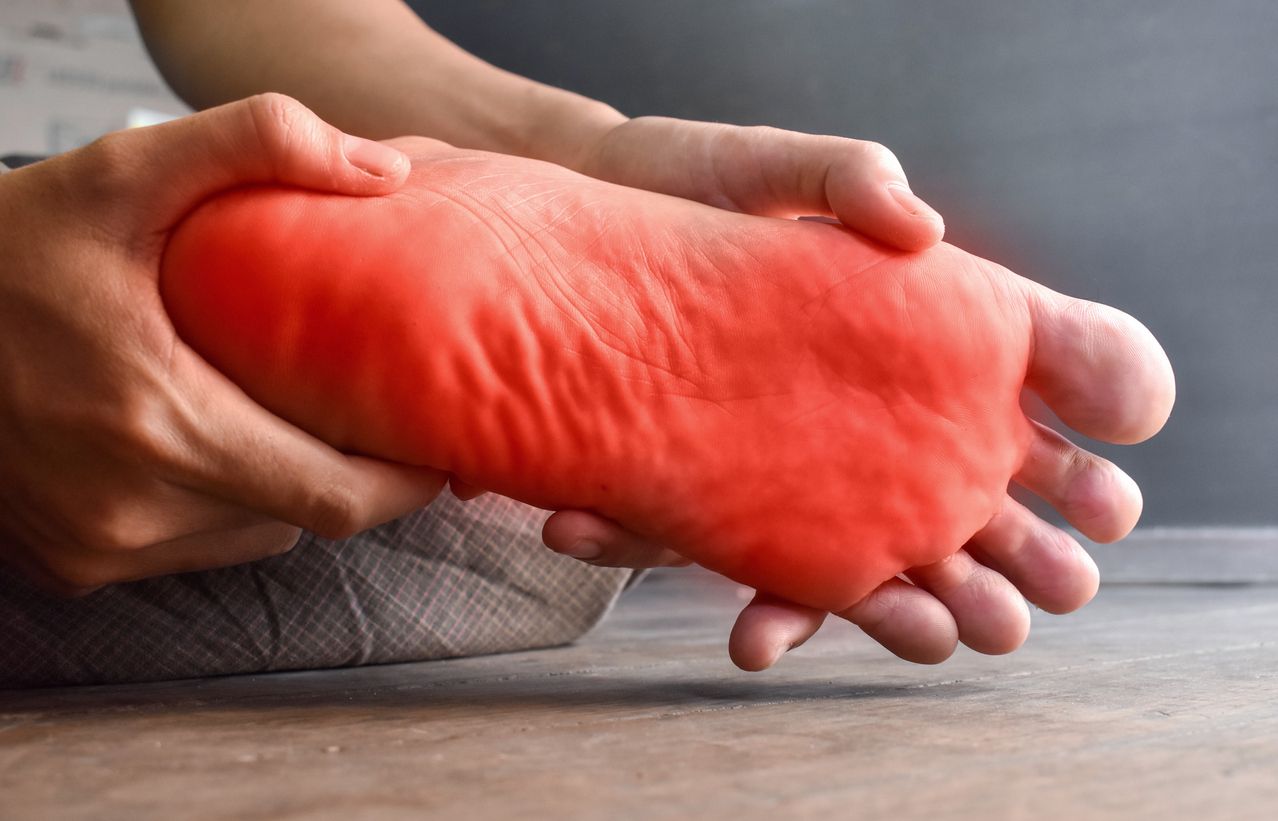
What Is The Best Treatment For Diabetic Neuropathy In Feet?
Diabetic neuropathy is a painful and common complication of diabetes. According to the American Diabetes Association, it is the most common complication and can happen to people with type 1 and type 2 diabetes.
The best way to manage painful diabetic neuropathy, which usually affects the feet, is to manage diabetes and blood sugar levels. Treatments include medications, lifestyle changes, and alternative medicine.
If you are a caregiver for someone with diabetes, it’s important to:
- Understand neuropathy,
- How it can affect the feet,
- The best treatments.
Along with your loved one’s diabetes team, the two of you can decide the best way to treat and manage their foot pain and movement issues.
Do you have more questions about caregiving? This link will help you determine if you have free access to Trualta resources.
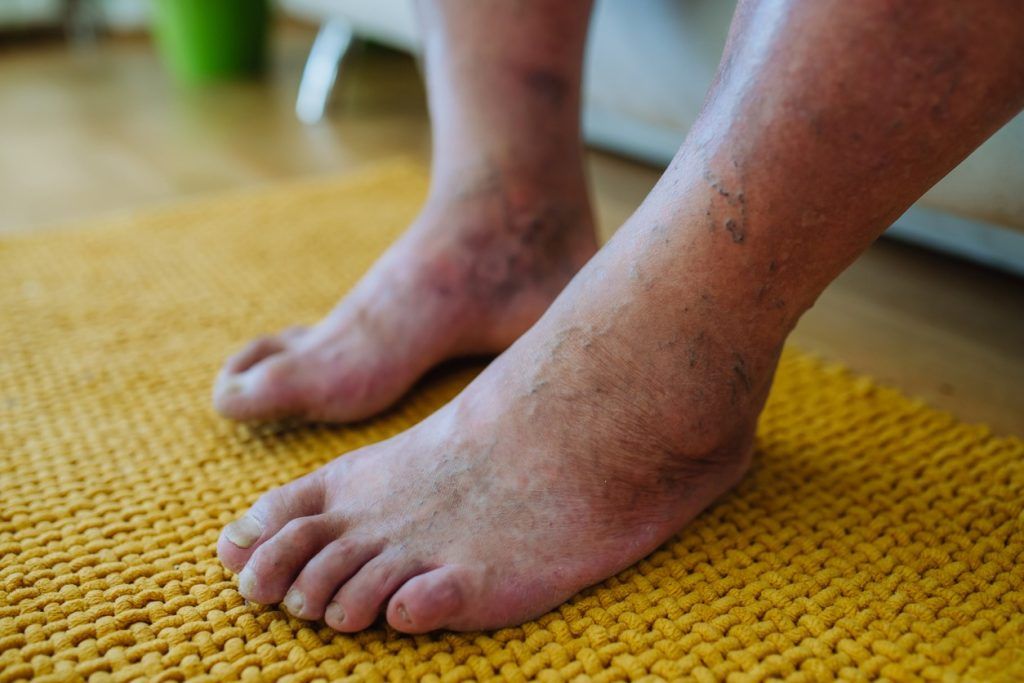
What Is Diabetic Neuropathy?
Neuropathy is nerve damage. There are many causes of neuropathy, including diabetes. Diabetic neuropathy is nerve damage that happens because of diabetes.
Type 1 and type 2 diabetes cause high blood sugar levels. Over time, high blood sugar can damage the small blood vessels that bring oxygen and nutrients to the nerves. Without oxygen and nutrients the nerves are damaged. Once the nerves are damaged they don’t work well or at all.
When blood sugar levels go up and down often, the risk of problems increases. Some of the risks are kidney disease and chronic pain of neuropathy. Managing blood sugar helps lower the risk of these complications.
Constantly high blood sugar is the main cause of neuropathy. It is important for diabetic patients to manage their blood glucose with insulin, medications, diet, and other recommended strategies.
Types Of Diabetic Neuropathy
There are a few different types of diabetes-related neuropathy, which is sometimes also called diabetic polyneuropathy because it often involves more than one nerve:
- Peripheral Neuropathy. According to the American Diabetes Association, peripheral neuropathy is the most common type of neuropathy in diabetes patients. Peripheral means nerves outside of the brain and spinal cord. Peripheral nerve damage most often affects the feet and legs, but it may also affect the hands and arms.
- Autonomic Neuropathy. Diabetic autonomic neuropathy affects the autonomic nerves. These are the nerves that control automatic movements and processes. Autonomic neuropathy affects nerves that control the intestines, bladder, heart, blood pressure, and more.
- Proximal Neuropathy. This is a rare type of neuropathy. It affects nerves in the buttocks, hips, and thighs, often on just one side of the body.
- Mononeuropathy. Mononeuropathy affects one specific nerve and is also called focal neuropathy. It often happens because of nerve compression.
Diabetic Neuropathy Symptoms
Peripheral neuropathy, the type diabetes patients usually have causes several symptoms. They usually first happen in the feet or legs. The feelings may move to the hands and arms, but this is less common. Some symptoms include:
- Numbness, tingling, and a pins-and-needles feeling
- Less able to feel pain or temperature changes in the feet or other affected areas
- Tingling or burning pain
- Sharp, stabbing, or shooting pain
- Strange feelings in the area when touched, or extreme sensitivity to touch
- Muscle weakness
- Total loss of any feeling in the affected area
The total loss of feeling usaaly happens later with painful diabetic neuropathy. Patients usually have a lot of other symptoms that are warning signs before this happens.
Peripheral Foot Neuropathy Symptoms & Complications
The peripheral neuropathic symptoms all relate to the places where the nerve damage or loss of nerve function happens. Neuropathy in the feet and legs is most common. Patients with foot neuropathy may have numbness, tingling, pain, feel sensitive in a specific area, and in the end, total loss of feeling.
Diabetic foot neuropathy can make it hard to move around normally because the feet are so important for movement from one place to another. Serious issues and foot problems can happen without management or treatment:
- Foot sores
- Foot ulcers
- Increased risk of falls
- Infections
- Tissue death
- Amputation
In addition to affecting moving from one place to another, diabetic foot neuropathy can lead to serious tissue damage and even amputations. Tissue damage and amputations happen when the patient fails to notice sores and infections growing because they have lost feeling. It’s very important to check the feet often for signs of irritation, soreness, or ulcers. As a caregiver, you can help your loved one by checking their feet or reminding them to do so daily.
Diagnosing Diabetic Foot Neuropathy
If your loved one has type 1 or type 2 diabetes, they should be getting regular diabetic care and checkups. This can help lower the risk of problems like neuropathy and catch them early for better treatment.
Your loved one may have undiagnosed type 2 diabetes. They might have neuropathy without knowing the real cause. They should see their foot doctor if they have sores or cuts on the feet that don’t heal, weakness or tingling in the feet, or other symptoms.
Diagnosing painful diabetic neuropathy begins with a physical exam to check muscle strength, reflexes, and sensitivity to touch, pain, and temperature. The doctor may also do nerve tests to see how quickly they respond to signals. Electromyography and nerve tests measures the electrical activity of muscles.
The Best Diabetic Neuropathy Treatments For The Feet
If your loved one is diagnosed with diabetic peripheral neuropathy, their doctor will talk to you about treatment options. Unfortunately, there is no cure for this type of nerve damage.
Instead of curing it, the goals of diabetic neuropathy treatments are to:
- Stop the damage from getting worse,
- Using pain management,
- Improve movement,
- Manage any related health issues or problems.
Slowing The Progression Of Diabetes
The best and most important treatment is to handle the underlying cause: diabetes. Handeling diabetes means controlling blood sugar. Keeping blood sugar levels in the healthy range slows down the disease and its complications, like peripheral neuropathy.
Work with your loved one and their medical team to make sure they are taking all the important steps to manage their illness. For many people with type 2 diabetes, this means fixing their diet, exercising more, keeping a healthy weight, and taking the right medications.
Patients with type 1 diabetes have to keep good blood sugar levels with regular injections of insulin. People with type 2 diabetes have become unresponsive to insulin, type 1 diabetics make very little or no insulin at all. Insulin is the hormone made by the pancreas that manages blood glucose.
Talk to their doctor about changes if your loved one isn’t managing their blood sugar well. They might need more help or they may need to start using an insulin pump. They might benefit from a new or different medication or changes in dosing.
Everyone is different, but the American Diabetes Association recommends that blood sugar levels for people with diabetes should be between 80 and 130 before meals and less than 180 up to two hours after meals. Again, talk to your loved one’s doctor about their range and what you can be doing to meet it better. This will help stop or slow the progression of peripheral neuropathy.
Pain Management & Pain Relief
If your loved one is doing all they can to manage their blood sugar but still has peripheral neuropathy symptoms, they can use pain management and relief strategies. Treatment options for pain typically include prescription medications. Nerve pain does not usually go away with over-the-counter drugs like acetaminophen or aspirin. Medications used for diabetic foot neuropathy include:
- Anticonvulsants. Also known as anti-seizure medications, drugs like gabapentin and pregabalin. Gabapentin is a usually prescribed medication for neuropathic pain. Pregabalin is similar but stronger. Side effects include drowsiness, dizziness, and swelling in the hands and feet.
- Antidepressants. Being prescribed an antidepressant doesn’t necessarily mean your loved one is depressed. Certain types of these medications (tricyclics and SNRIs) have can reduce diabetic nerve pain. There are more possible side effects, though. These may include dizziness, sudden low blood pressure, nausea, sleepiness, lowered appetite, and constipation.
- Dextromethorphan. This over-the-counter cough medication is a type of drug used to manage pain after surgeries. It is usually not the first treatment for diabetic neuropathy pain, but recent research shows it can help. It may cause nausea, stomach pain, dizziness, and drowsiness.
- Opioids. Using prescription opioids, like tramadol, to manage neuropathic pain is controversial. There is proof that they work, but there are also many side effects and a high risk of the person becoming addicted.
- Topical Pain Medications. Capsaicin is a compound that comes from hot peppers. It can treat neuropathy foot pain when you put the cream on your foot. Clonidine might be used but there isn’t enough proof to show it works. Lidocaine can also be useful.
Managing Complications
It’s important to manage complications of diabetic foot neuropathy to stop it from becoming worse. Sores, ulcers, and infections can become serious very quickly. Diabetic patients must check their feet regularly. Otherwise, they might not notice an injury or cut or that a sock is rubbing against their skin, causing a sore.
These issues can quickly get out of control. A sore can lead to an ulcer, which can get infected. If your loved one doesn’t get help for these wounds, they can lead to a major infection, dead tissue, and may even cause your loved one to need an amputation of a toe or the whole foot.
If you find a sore or wound on your loved one’s foot, talk to their doctor right away. Find out how they want you to treat the wound and when it’s time to come in for medical care to manage it.
Self Care & Lifestyle Changes
Care at home is an important part of living with and managing diabetic peripheral neuropathy. These strategies and changes should be used with medical treatment and good management of diabetes and blood sugar levels.
Focus On Healthy Choices
Besides managing diabetes and blood sugar, your loved one should make healthy daily choices. A healthy diet and plenty of exercise will help them better manage their weight and blood sugar. Keeping a healthy weight also improves the baility to move around, even with foot complications, like pain.
Smoking is one of the worst things anyone can do for their health. If your loved one smokes, encourage them to quit. Smoking reduces circulation and increases the risk that they’ll develop peripheral neuropathy or make it worse.
Pamper Their Feet
If your loved one is experiencing nerve pain in their feet, a little extra care can help them feel better. A foot soak in Epsom salts or soothing essential oils can reduce pain for a little while. If they’re not overly sensitive to touch, a foot massage can increase circulation and reduce tingling. These pampering efforts also give you a chance to check their feet for wounds.
Protect Their Feet
You’ll also need to help them protect their feet. Injuries and sores are especially dangerous, so help them find safe, comfortable footwear. Diabetic socks are smooth and do not have seams to prevent rubbing that can cause sores. Many diabetic socks are also compression socks, and they help improve circulation.
Improve Mobility
Diabetic neuropathy of the foot can make it hard to move, but being active is so important for your loved one’s health. Even if they can’t exercise, being able to move around more and more will boost their mood, stop injuries, and minimize lonliness.
A cane or walker can be a great tool for helping your loved one move aorund. A simple mobility tool can give them more confidence and prevent falls. You can also help them by making the home safer. Reduce trip hazards from rugs and furniture, and make sure they have easy access to all parts of the house.
Physical therapy or occupational therapy can help your loved one learn how to move better with their foot problems. Therapy can help them exercise safely and improve balance, coordination, and strength.
Alternative Treatments
Alternative medicine can be a great to use with their other medication and treatments. Some supplements may help with neuropathic pain. Talk to your loved one’s medical team about the options and what might be safe for them to try.
Nerve stimulation is a prescription alternative treatment that gives relief for many people with neuropathic foot pain. Also known as TENS (transcutaneous electrical nerve stimulation), it uses small electrical impulses to specific nerves to reduce pain. Research shows that not all patients get relief, but many do find a lot of pain relief using TENS.
Finally, acupuncture helps many people with all types of pain. Acupuncture is a part of traditional Chinese medicine. A trained practitioner puts very thin needles into specific parts of the body to change energy flow. It’s usually safe when done by a professional.
Diabetic foot neuropathy can be very painful and even debilitating if it reduces your loved one’s mobility. Treating this complication of diabetes is complicated and should be made specific to each patient. Talk about treatment options with your loved one and their medical team to find the best treatments for them.
References
- Pop-Busui, R., Boulton, A. J. M., Feldman, E. L., Bril, V., Freeman, R., Malik, R. A., Sosenko, J. M., & Ziegler, D. (2016). Diabetic neuropathy: A position statement by the American Diabetes Association. Diabetes Care, 40(1), 136–154.
- American Diabetes Association. (n.d.). Peripheral neuropathy. In About diabetes.
- Ropper, A. H., Samuels, M. A., & Klein, J. P. (2014). Treatment of painful diabetic neuropathy. Journal of Clinical Neuroscience, 21(?), ?–?. (from PMC4269610)