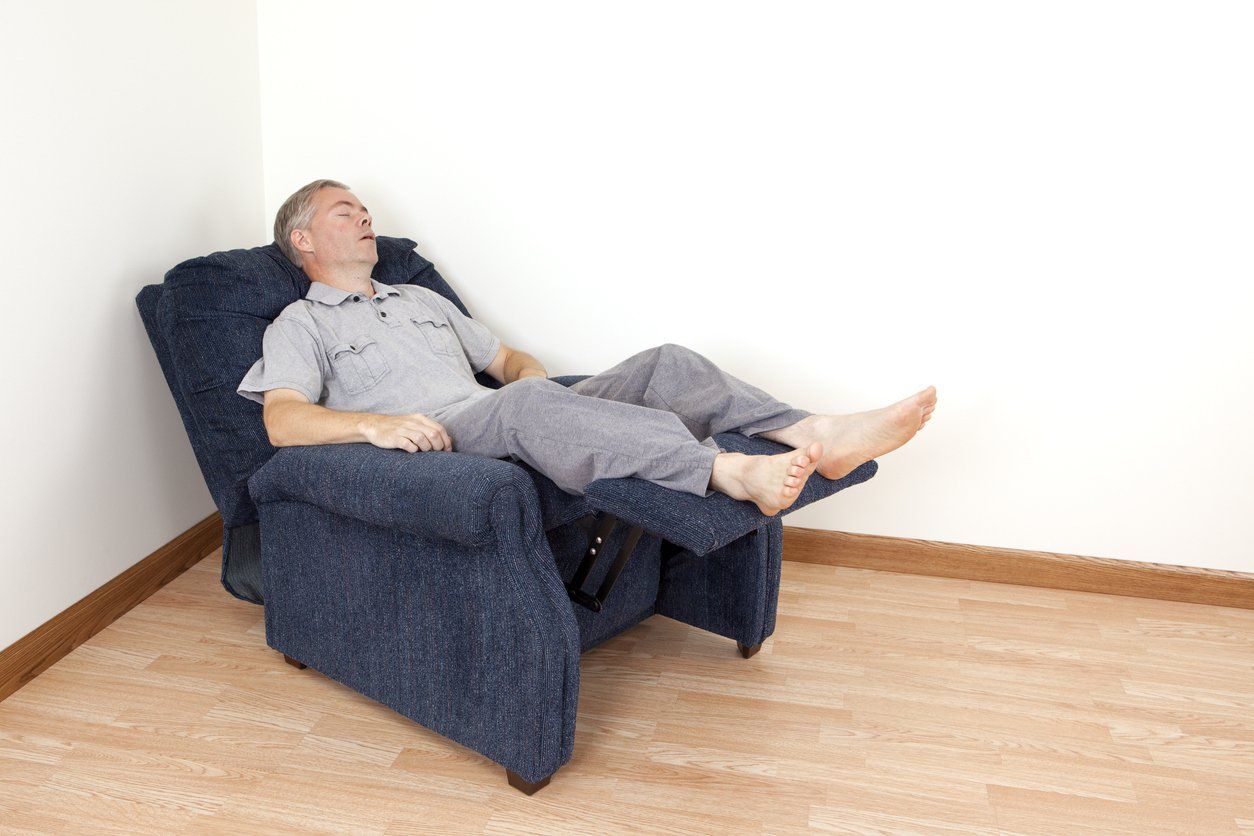
Lift Chair Recliner For Heart Surgery Recovery
Whether your care recipient had a planned surgery or experienced a heart attack, managing a hospital discharge can be a stressful thing. There are a lot of moving parts, like:
- Speaking to healthcare professionals
- Learning and understanding discharge orders
- Organizing equipment and resources
- Making a plan for helping your care recipient recover
Trualta can help. We have educational tools and resources on heart health and supporting the person you care for with a hospital discharge. Check if you have free access.
Understanding Post-Operative Instructions
After surgery, certain body movements and actions can put the surgical site at risk of becoming damaged. It’s very important to understand what activities are safe and unsafe to do. Ensure that you and your care recipient understand:
- Any post-operative instructions from the surgeon. For example, no pushing, pulling, or lifting anything heavier than 5-10lbs. Get these instructions in writing, if possible.
- How long they need to follow these rules. For example, 6 weeks after surgery.
- What activities they will need help with. An occupational therapist (OT) or physical therapist (PT) can help with this.
Why Are Sleeping Positions Important?
Your care recipient’s surgeon may tell them to avoid sleeping on their stomach or side while their surgical site heals. Instead, they’ll likely recommend that they sleep on their back to allow their head, neck, and spine to properly align. This can help reduce the pressure on the heart and chest during recovery.
Your care recipient’s surgeon may recommend sleeping in an upright position for the first few weeks. This can help the chest bone heal. Additionally, some people may feel pain or discomfort when trying to sleep on their back after heart surgery.

Why Choose A Lift Chair Recliner?
It’s possible to sleep upright in bed. Your care recipient can use a few pillows to prop themselves up. However, this can be challenging for a few reasons:
- They may find it difficult to lie down and get up again from a flat bed. This can be painful and exhausting.
- They may engage in movements that could injure the healing surgical site. For example, pushing with their arms to sit up.
- They’re used to sleeping in a hospital bed. These beds have a lift feature that raises and lowers the head of the bed, making it easier to get up.
For these reasons, the healthcare team may recommend that they sleep in a recliner. However, a regular recliner doesn’t offer a person the added benefit of support with sitting up. That’s where a lift chair recliner comes in.
How Does A Lift Chair Recliner Work?
A lift chair recliner is a piece of furniture that can help your care recipient sleep in an upright, seated position comfortably. You may also hear it called a lift recliner, lift chair, or power lift recliner.
Power lift recliners have a motor inside them that raises and lowers the chair, helping the person stand and sit down in it. This can be helpful if your care recipient is not allowed to push with their arms to support their weight while sitting or standing. The lift feature can also support your care recipient if they have other mobility issues that make transfers challenging.
Like regular recliners, lift chairs can:
- Come in several design options, like fabric or leather.
- Be adjustable in the headrest, footrest, and lumbar support.
- Feature extra comfort benefits, like massage or heat, if desired.
These can help your care recipient find the perfect fit for their home. They won’t need to compromise between comfort, style, and independence when choosing a power lift recliner.
| Sleeping upright in a recliner may not be comfortable for everyone. Sleep quality is an important part of recovery. Ask your care recipient’s surgeon when they’re allowed to sleep flat or in other positions. |
Lift Chair Benefits For Caregivers
You’ll be offering lots of support to your care recipient when they come home from the hospital. Since the power recliner helps your care recipient with standing and sitting, it’s one less thing for you to support with. A power recliner can help lighten your load and support your care recipient’s independence.
Want to learn more about how to help your loved one recover from a cardiac procedure? Check if you have free access to Trualta.
References:
- https://sunnybrook.ca/content/?page=schulich-heart-coronary-artery-bypass-activities
- https://www.heart-valve-surgery.com/heart-surgery-blog/2009/09/19/recliners-beds-after-heart-valve-surgery/
- https://www.apollohospitals.com/delhi/blog/dealing-with-sleep-problems-after-a-heart-attack-or-heart-surgery/#:~:text=Upright:%20The%20recommended%20sleeping%20position,Other%20Sleeping%20Tips
- https://myhealth.alberta.ca/heart-surgery/recovering-at-home
- https://bayshoremedicalsupply.net/differences-between-a-lift-chair-and-a-recliner/#:~:text=A%20recliner%20is%20built%20to,help%20with%20several%20medical%20conditions