Unexpected Benefits Of Being In The Sandwich Generation
Members of the sandwich generation are squeezed between elderly parents and young children or adult children who need support. Being a dual caregiver presents unique challenges. Many sandwich caregivers face significant stress and even financial strain.
On the other hand, being a member of the sandwich generation can be positive. Here, we’ll explain who and what the sandwich generation is and the special challenges you might face as a member. We’ll also talk about the benefits of being in this role, from finding a meaningful purpose to connecting multiple generations in your family.
Check this link to see if you have free access to the Trualta library of additional resources on caregiving.
About The Sandwich Generation
The sandwich generation definition, according to the Pew Research Center, is any adult with older parents (65 and up) and either a young child (under 18) or an adult child for whom they are providing financial support.
Most sandwiched caregivers are middle aged adults, and members of Generation X. The elderly parents are mostly Baby Boomers. Sandwich generation caregivers are more likely to be married, college-educated, and middle class, according to the Pew Research Center.
Within this diverse sandwich generation are many variations. Some of these adults provide direct, in-home care for aging parents. Others provide financial support only. Some have parents and children living in the same home, while others are supporting an adult child.
What Makes Being A Sandwich Caregiver Challenging?
Family caregivers of all types face challenges. These include stress and potential burnout, the emotional struggle of seeing aging parents decline and finding time for self-care. As compared to non sandwich caregivers, a sandwich generation caregiver has extra responsibilities.
The dual role of sandwich caregiving is what makes your role so uniquely challenging. Some of the difficulties you might face include:
- Dual role caregivers feel the pressure and stress of having two caregiving roles for both an aging parent and a young child or older child.
- Mental and physical health problems are more common in caregivers than non-caregivers.
- Sandwich caregivers are at greater risk for health problems because they struggle to find time for self-care or healthy lifestyle habits. In other words, they tend to put themselves last.
- Time management, or finding enough time for everything, is a major challenge for sandwich caregivers.
- Not feeling like you have enough time for everyone can create feelings of guilt.
- With aging parents, you have difficult decisions to make about care and transitions to senior living.
The Surprise Benefits Of Being A Sandwiched Adult
Caregiving of any kind is hard. It takes time, skill, and dedication. It also takes love and caring. If you find yourself responsible for children and parents, you have challenges but also blessings. According to the Pew Research Center, sandwich generation adults report being as happy as any other middle aged adults.
Of course, there are challenges, but your special role also has many unexpected benefits. While facing the difficulties, try to remember the rewards of being a dual caregiver.
1. You Still Have Your Parents In Your Life
One of the most important blessings of being a part of this generation is still having one or both of your parents. Not everyone your age can say that. Many wish they had the opportunity to care for and give back to their parents for all the love and care they received.
Dual caregiving is a unique challenge, but it’s also a special opportunity. If your parents raised you with love and care, you now get a chance to repay that attention in kind. Although it can be difficult to watch them struggle with health issues, you now have more time to be with your aging parents.
2. Children Have Their Grandparents In Their Lives
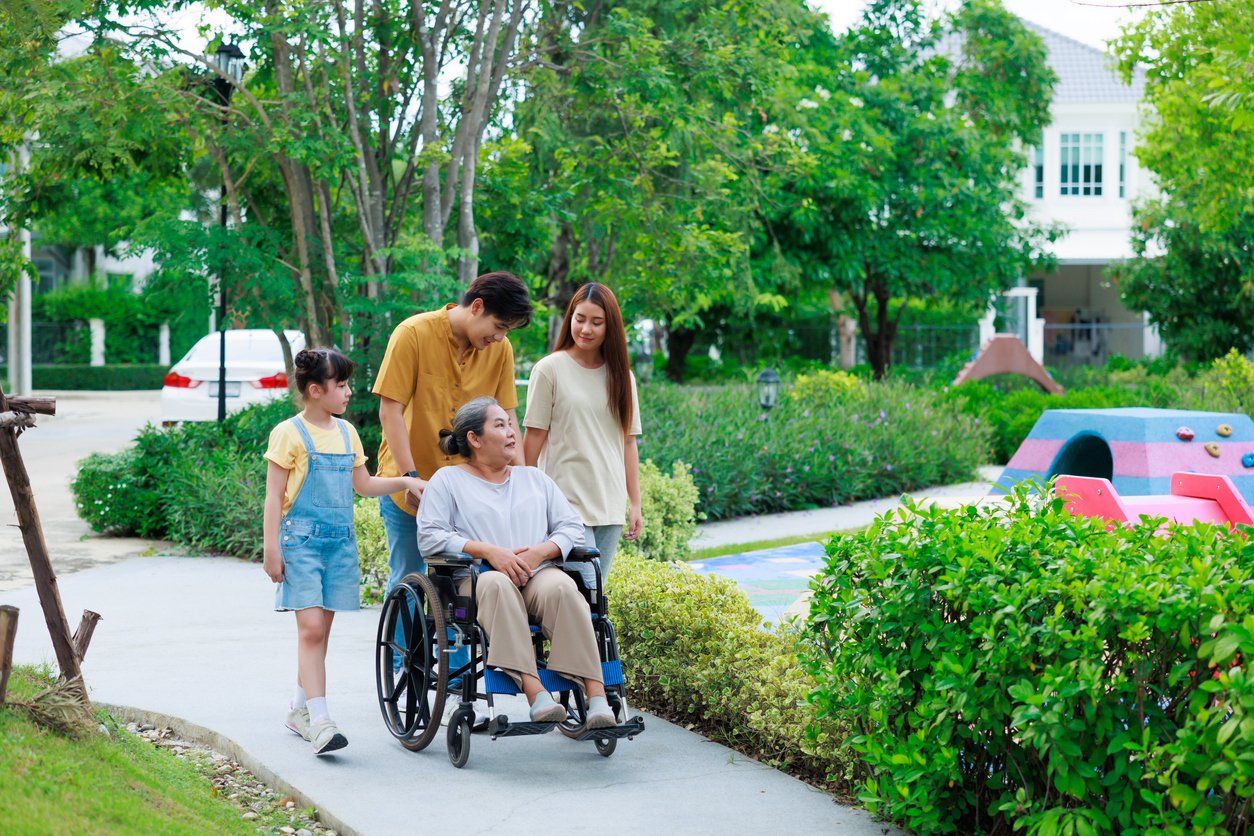
Any caregiver of older relatives has this unique opportunity to give back and spend more time with their loved ones. As a sandwich caregiver, you are in a truly special situation. You also get to share your parents with your children.
Some children never have the opportunity to have time with their grandparents. Some never even know their grandparents. If you’re a dual caregiver, your children have this chance to get to know your parents. This situation presents many benefits:
- Your children have additional loving adults in their lives.
- They get a chance to develop their own special relationships with their grandparents.
- Your grandchildren can learn a lot from their grandparents. This includes learning to care for another person. They can even be involved in some of the easier aspects of caregiving.
- If your parents are still able, they can provide some childcare for your children, which can present opportunities for bonding and learning.
- The benefits extend to your parents, too. Spending time with grandchildren is proven to provide health and wellness benefits for older adults. It keeps them more active, benefitting physical health. It also helps reduce loneliness and mental health issues.

3. Build A Stronger Relationship With Aging Parents
Maybe your relationship with your parents could improve. Many people struggle to identify with aging parents, hold on to resentments from the past, or simply don’t have close relationships with them as they age.
Caring across generations offers a chance to improve these relationships. If you now find yourself responsible for your parents, treat it as an opportunity. You can get to know them better, spend quality time together, and develop a healthier, more meaningful relationship.
This can be difficult if you have a challenging relationship. If you face too much conflict to get close, consider working with a counselor or therapist. This can help you build your relationship but also make caregiving easier and more effective. It’s worth the effort to enjoy a new, better relationship with your parents and to reduce stress in your caregiving role.
If you work with a care coach, they can recommend important resources and coach you through challenging relationship issues. While they are not therapists, care coaches can direct you to professionals who can help.
4. Caregiving Is Rewarding & Meaningful
All of the above benefits are reasons that being a dual caregiver can be rewarding. Developing stronger family bonds, reconnecting with aging parents, and helping your children find meaning in relationships with their grandparents are all wonderful benefits of sandwich caregiving.
Caregiving is a meaningful role that gives your life purpose. Having purpose is important for good mental health and overall quality of life.
One aspect of caregiving that typically gives people a lot of satisfaction is having control over a loved one’s well-being. You’re in control of your loved one’s care, which means you can feel confident that they’re getting what they need to be as healthy and fulfilled as possible.
While professionals can provide excellent care, care from a loved one is always more meaningful. You know your parents better and the type of care they want. It’s a great reward to be able to give them respectful care with their input.
5. Caregiving Teaches You (& Your Child) Important Skills
Caregiving is not only meaningful, but it’s also a practical skill. By finding your way through this difficult role, you’ll learn many useful skills.
For example, many sandwich caregivers are forced to think more critically about their finances. You might begin financial planning in earnest for the first time. Working with a professional can relieve some of your financial burden of caregiving but also teach you how to manage your money better.
Caring for both children and adults also forces you to learn time management and organizational skills. If these aren’t your strengths, think about working with a care coach. They can help you develop your skills with pro tips and educational resources.
Your children can learn a lot from their grandparents, too. Dual caregiving is a chance to bring them closer together across the generational divide. Your children can learn family history, practical knowledge, and unique skills depending on what your parents have expertise in.
Additionally, with sandwich caregiving, you have a unique opportunity to teach your child through modeling behaviors. By showing them the importance of caring for older relatives, they learn valuable lessons about patience, empathy, and respect. Of course, they’ll also learn practical caregiving skills when they participate.
Belonging to the sandwich generation is special. Yes, there are challenges, but there are also great rewards. If you’re struggling in your role, reach out for help. Check if you have free access to Trualta. A care coach can be a helpful guide through this period of your life. They can provide useful resources, a listening ear, and support, while also helping you keep your situation in perspective as you reflect on the benefits.
References
- https://www.pewresearch.org/short-reads/2022/04/08/more-than-half-of-americans-in-their-40s-are-sandwiched-between-an-aging-parent-and-their-own-children/
- https://medicine.umich.edu/dept/psychiatry/news/archive/202212/%E2%80%9Csandwich-generation%E2%80%9D-study-shows-challenges-caring-both-kids-aging-parents
- https://www.pewresearch.org/social-trends/2013/01/30/the-sandwich-generation/
- https://newsroom.clevelandclinic.org/2023/09/06/benefits-of-spending-time-with-grandchildren