Tips For Finding Caregiver Jobs Near Me
A Complete Guide To Finding Caregiver Jobs
If you’re searching for caregiver jobs near you, you’re stepping into one of the fastest-growing and most rewarding career fields in health care. The demand for compassionate, qualified caregivers is rising rapidly due to an aging population, more chronic health conditions, and a growing preference for in-home care. Whether you’re just starting or have years of experience, this guide will help you navigate the job market, understand training requirements, and prepare for success.
If you’re looking to boost your resume, don’t forget to check if you have free access to Trualta’s training programs.
Why Caregiver Jobs Are In High Demand
As the U.S. population grows and health needs become more complex, there’s a rising demand for in-home and community-based care across all age groups. From aging adults to individuals with disabilities or chronic health conditions, more families are turning to caregivers to support their loved ones in living safely and independently at home. This shift reflects a broader move away from institutional care toward more personalized, compassionate support in familiar environments.
Caregiver career areas are now considered essential, and the U.S. Bureau of Labor Statistics projects job growth in this field to outpace most others, especially for home health aides and personal care aides. This makes it an ideal time to explore opportunities, whether you’re seeking full-time employment or supplemental income.
Where To Find Caregiver Jobs Near You
When searching for job openings in your area, using a variety of methods can help uncover the best-fit roles:
- Online Job Boards: Platforms like Indeed, ZipRecruiter, Care.com, and Glassdoor are updated daily with caregiver listings. Use filters like location, experience level, and job type (full-time, part-time, live-in) to refine your results.
- Home Care Agencies: Companies such as Visiting Angels, Home Instead, and Comfort Keepers often hire regularly and provide onboarding training. Look for local franchises that serve your zip code.
- Social Media & Community Boards: Local Facebook groups, neighborhood apps like Nextdoor, or community centers frequently post caregiver opportunities, especially from private families.
- Personal Referrals: Let friends, neighbors, or church groups know you’re looking. Referrals can lead to more personalized and trustworthy job leads.

Navigating Job Postings Effectively
Not all job listings are created equal. Some featured jobs focus on basic companionship, while others require skilled care. Read each description carefully:
- Check for certification requirements (Certified Nursing Assistant, Home Health Aide, CPR)
- Look for specifics on duties like lifting, driving, or dementia care
- Assess the work environment – Is it in a private home? Assisted living? Part of a care team?
Keep a spreadsheet to track applications, interview dates, and follow-ups to stay organized during your search.
Education, Training & Certification For Caregivers
Formal education beyond high school may not be required, but training plays a key role in getting hired and earning more. Here are common and advanced credentials to consider for the hiring process:
- CPR & First Aid Certification: Often required for all caregiver roles; available through the Red Cross or online platforms.
- Home Health Aide (HHA) Certification: Covers specialty topics like hygiene assistance, mobility support, and basic health monitoring.
- Certified Nursing Assistant (CNA): Required for more medically intensive care; includes classroom hours and hands-on clinical training.
- State-Specific Training: Some states require caregivers who provide personal care to complete mandatory training that aligns with standards similar to those set by Medicare for home health aides. In certain areas, caregivers may also need to register with a state agency or care oversight bureau.
- Specialized Courses: Training in dementia care, hospice support, or developmental disabilities can increase your job opportunities and make you more valuable to families or agencies.
Many training programs are now available online, allowing you to complete requirements flexibly and affordably.
What To Expect From A Caregiver Job
Job duties vary, but here are common responsibilities:
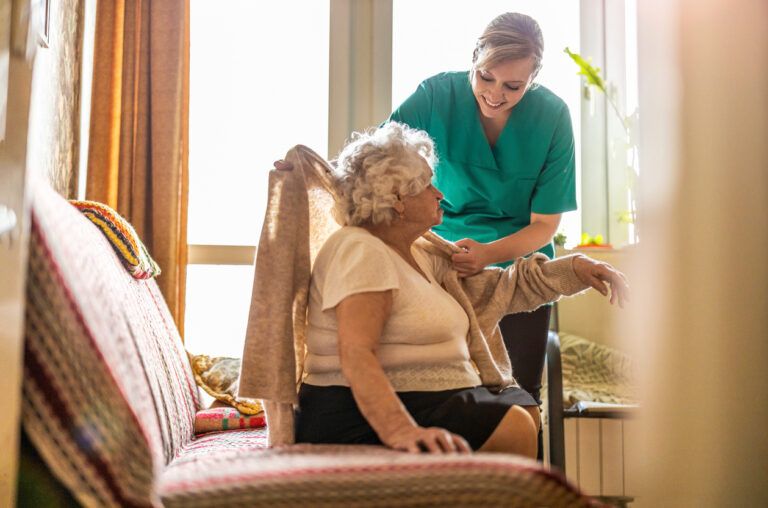
- Assisting with bathing, dressing, grooming, and toileting
- Preparing meals and helping with feeding
- Offering companionship and emotional support
- Running errands and providing transportation
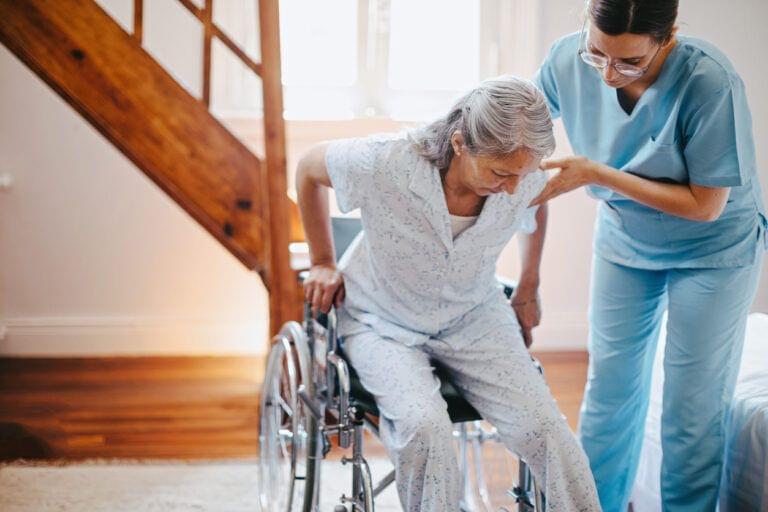
- Helping with mobility and fall prevention
- Keeping daily care logs and reporting changes in health
Shifts can range from short visits a few times per week to live-in arrangements. When applying, be clear about your availability.
How To Stand Out In Interviews
Competition is strong in desirable caregiving roles, so it’s important to make a memorable impression:
- Show your empathy and patience. Employers want to see you truly care about helping others.
- Be ready with examples. Share stories of how you’ve handled difficult clients and emergencies or shown reliability.
- Bring copies of your certifications, resume, and references, and dress professionally.
- Ask thoughtful questions, like what support is offered to caregivers, or whether you’ll be trained on specific client needs.
Also, practice answering common interview questions such as:
- “How would you handle a client with dementia who refuses care?”
- “What would you do if your client falls?”
- “Can you describe a time you went above and beyond for a patient?”
Next Steps
Typing “caregiver jobs near me” is a great first step, but standing out in a competitive job market requires preparation, training, and persistence. Invest in certifications, tailor your resume to each role, and approach each interview with professionalism and heart.
To move forward:
- Complete any required training in your state
- Set up job alerts on caregiving platforms
- Create a professional profile on sites like Care.com
- Gather references and background check documents in advance
With the growing need for in-home support, there’s never been a better time to begin or grow your caregiving career—and make a meaningful difference in someone’s life.
References