Top 10 Activities For Seniors With Dementia To Try Today
It is important to do activities that are meaningful to your loved one with dementia. These activities help them stay active, feel a sense of purpose, and support their mental health. Picking an enjoyable activity that matches their abilities can also help them feel connected to others, keep their minds working, and feel proud of what they can do. Adding these activities to their daily routine can also prevent or calm difficult behaviors, like wandering or agitation.
In this article, we’ll share 10 simple activities for seniors with dementia that can offer a sense of accomplishment, create opportunities for enjoyment, help them relax and unwind, or promote connection.
Want more information like this? Check if you have free access to Trualta.
Types Of Activities
Don’t underestimate how much a simple, meaningful activity can make a big impact. As you select activities from this list, remember to keep your care recipient with dementia in mind. Ask yourself questions like:
- “What activities have they enjoyed in the past?”
- “How can I make this activity happen in a way that works best for them?”
Offer A Sense Of Accomplishment
- Involve them in household tasks: Wiping the table down, tossing laundry in the machine, or hanging clothes to dry are easy ways to promote independent living and keep a dementia patient involved in purposeful daily activities (that can also help you around the home too!).
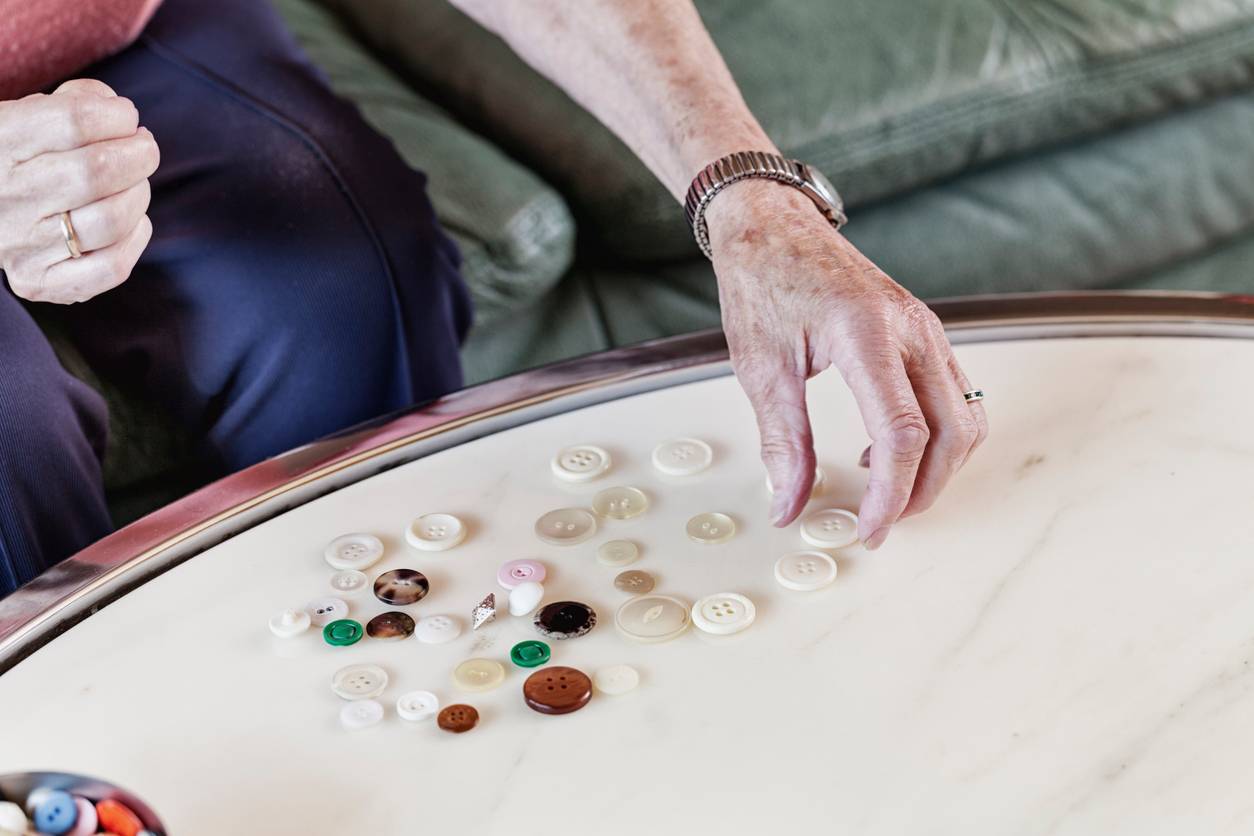
- Engage them in sorting and organizing: A simple activity like sorting a jar of buttons into colors or sizes, separating nuts and bolts, or sorting clothing and washcloths can provide cognitive stimulation or even a purposeful distraction.
As a caregiver, you can make activities more meaningful by including roles or tasks that were important to your care recipient in the past. This helps older adults feel a stronger sense of purpose and can boost feelings of pride, dignity, and accomplishment.
Create Opportunities For Enjoyment
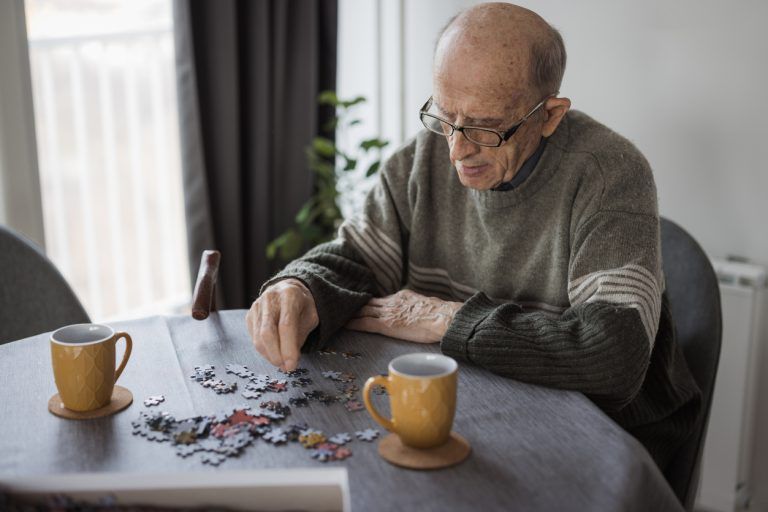
- Engage in games and puzzles: Involving dementia patients in card games, board games, jigsaw puzzles, or word searches has been shown to boost cognitive performance. While they can’t prevent or stop dementia, they can potentially help slow cognitive decline, maintain the active use of executive functions of the brain like planning and organization, and simply offer an enjoyable daily activity to look forward to.
- Provide them with a doll or toy pet to “care” for: Holding and caring for a doll or toy pet is not just a fun activity. In dementia care, it’s been shown to provide dementia patients with a sense of purpose, calm, connection, and improved mood. This can be especially true for your care recipient with dementia who may be experiencing withdrawal or feelings of anxiety, agitation, or depression.
- Sensory experiences: Caregivers can support mood and curiosity by offering activities that engage the senses. This could include making a sensory bin filled with objects of different textures, or encouraging activities that naturally involve touch, like kneading dough while baking or using their hands to dig holes for planting seeds in the garden.
| Expert tip: If an activity isn’t working out, you can always try again another time. Everything is a learning opportunity for what to try next! Perhaps a different time of day or a small modification to the activity will make a big difference. |

Relax & Unwind
- Listen to music: Play their favorite music, or involve them in picking a relaxing or upbeat song. Caregivers can join by singing along and even engaging in a dance as a way for both the dementia patient and them to disconnect from the stress of the day.
- Coloring and crafts: Spark relaxing creativity by going through a coloring book or completing a seasonal craft. Creative activities can also provide a sense of accomplishment when they’re complete!
- Have an at-home spa day: Engage in quiet relaxation by setting up a mini spa day at home. Paint nails, apply a face mask, offer a gentle hand massage with a lightly scented lotion, or enjoy a warm water foot soak with Epsom salts. Remember to incorporate pleasant smells they enjoy, like lavender or citrus, to offer an even more relaxing sensory experience.
Find Time To Connect
- Engage in reminiscence together: Reflect on cherished memories like special moments with a fond family member or meaningful milestones in your care recipient’s life. You can set up this activity by creating a memory box with photos or special items to help evoke memories and spark the conversation and connection.
- Visit a local cafe or park: Take a short stroll to a local coffee shop to enjoy an aromatic tea or coffee, or take in nature’s sights at a nearby park. This allows opportunities for connection and conversation as you spend time together creating positive memories.
| Remember: Match activities to your care recipient’s abilities and needs. Activities can always be modified to be simpler or more challenging. For example, you can make an activity easier by setting it up for them beforehand, or make changes so that it can be completed while seated or lying in bed. |
References:
- Alzheimer’s Association. (n.d.). Activities. Alzheimer’s Association.
- BrightFocus Foundation. (2023, July 26). Can a puzzle a day keep dementia at bay? Cognitive Vitality.
- Dementia UK. (n.d.). Doll therapy. Dementia UK.