Recognizing Heart Attack Symptoms in Women
If you care for a loved one, it’s important to know the common heart attack symptoms, as well as more subtle symptoms. If your loved one is a woman, be aware that women’s heart attack symptoms can be different in several ways from men’s.
In this article, we’ll explain:
- What a heart attack is
- Important facts about heart attacks in women
- Common symptoms for men and women
- The different heart attack symptoms in women and men
- Ways to reduce cardiovascular disease risk
Heart health is an important topic for caregivers. Check if you have free access to Trualta for more resources and caregiver support groups.
What Is A Heart Attack?
A heart attack happens when blood flow to the heart muscle is blocked or severely reduced. A heart attack is also called a “myocardial infarction,” a term that reflects how this type of cardiac event leads to damaged or dead heart muscle tissue. Cardiac arrest is not the same as a heart attack. During cardiac arrest, the heart stops beating.
Most heart attacks are caused by plaques that have built up in the coronary arteries. These are the arteries around the heart. Plaques are deposits of cholesterol. The buildup of plaque in arteries causes them to harden, a condition known as atherosclerosis. This leads to coronary artery disease, the blockages that often cause a heart attack. A blood clot can also cause a heart attack.
Facts About Heart Attacks In Women
A lot of focus of the study, diagnosis, and treatment of heart attacks and heart health has been on men. Women and men do not always experience heart disease and cardiovascular disease in the same ways. While there is plenty of overlap, women often have different, and sometimes more subtle, symptoms and heart attack warning signs.
Here are some facts about heart attacks in women that all women and caregivers should know:
- Heart disease is the leading cause of death in both men and women in the U.S.
- Women are more likely to have non-traditional heart attack symptoms or even to have a silent heart attack with no obvious symptoms.
- Women often have heart attacks at older ages than men.
- The risk factors for heart attack are more significant for women than for men (smoking, obesity, stress, high cholesterol, high blood sugar, and high blood pressure).
- Women are more likely to have heart attacks resulting from causes other than coronary artery disease. This makes it more challenging for doctors to diagnose a heart attack in women.
- Women generally fare worse after a heart attack than men. They are more likely to have complications and to die following a heart attack.
- Women of color are more likely to have risk factors for a heart attack.
Common Heart Attack Symptoms In Women & Men
The symptoms of a heart attack can vary significantly by individual. Some people have no obvious signs of a heart attack, while others have mild or severe symptoms. For some people, the first clear sign of a heart attack is cardiac arrest. Other heart patients experience more subtle warning signs for days or weeks before a heart attack.
These are some of the most common symptoms in both women and men:
- Chest pain, which is also known as angina
- Pain or a general feeling of chest discomfort or in the arms, shoulders, back, upper abdomen, neck, or jaw
- Heartburn, indigestion, or abdominal pain
- Cold sweats
- Fatigue
- Nausea
- Shortness of breath
- Lightheadedness or dizziness
How Do Heart Attack Symptoms Differ In Women?
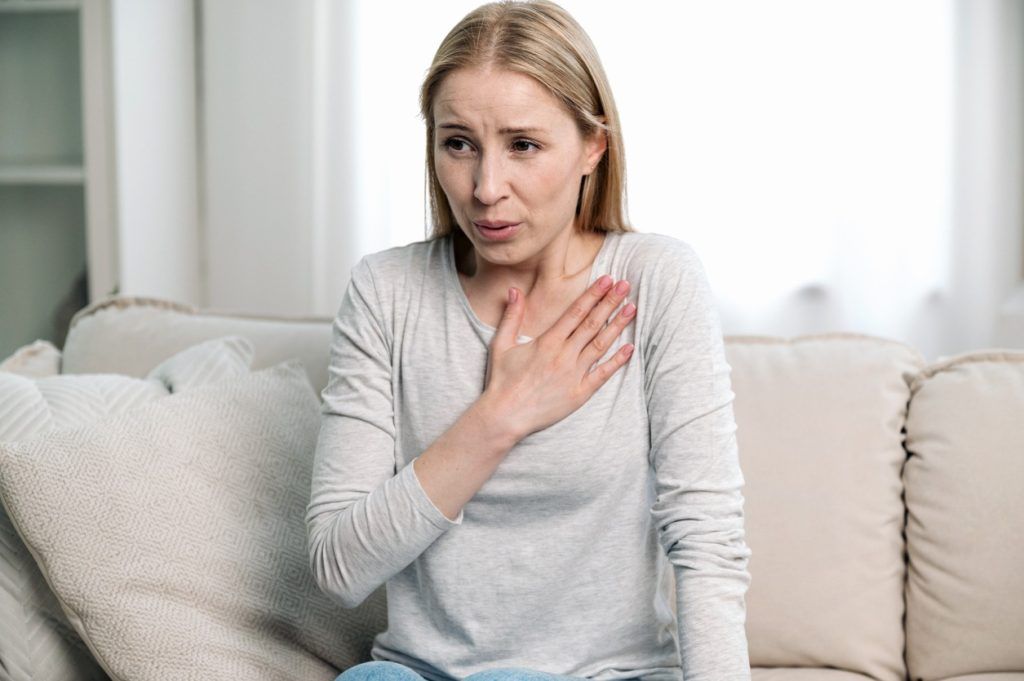
Chest pain and discomfort are the most common symptoms of a heart attack in both men and women. However, women are also more likely to experience different symptoms, including more subtle symptoms. Even some of the shared symptoms, like chest pain, can present differently in women.
Angina
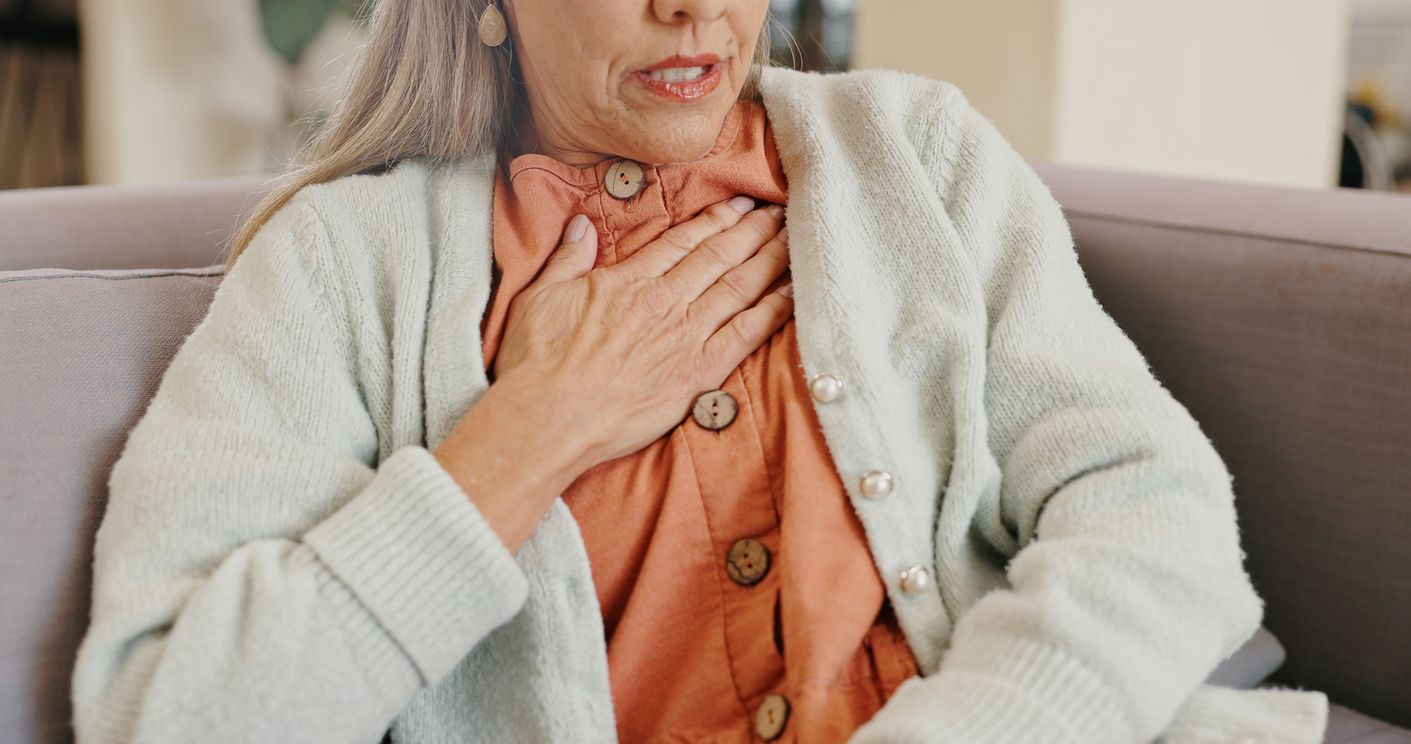
Angina, or chest pain, is a common symptom of a heart attack for men and women, but women often experience it differently. For both men and women, angina can feel like pain, but also tightness, pressure, and general discomfort, especially while physically active or during periods of stress.
Women with angina also often feel nauseated. They might vomit along with experiencing nausea. They tend to have more shortness of breath. The pain from the chest often radiates into the abdomen, back, neck, and jaw. The reason for these differences is that women are more likely to have blockages in smaller arteries, while men are more likely to have coronary heart disease.
It’s important to recognize these differences. The varied and often subtle signs of angina are often overlooked in women, which delays the diagnosis and treatment of a heart attack.
Subtle Symptoms
Many people assume heart attacks come with obvious signs and severe chest pains, but this isn’t always the case.
Women are more likely to have subtle signs that are not always immediately associated with a heart attack, including:
- Shortness of breath, including difficulty breathing even when not exerting herself or when lying down.
- Indigestion, upset stomach, or heartburn.
- Anxiety greater than normal or with no obvious cause, and potentially even a panic attack.
- Unusual or extreme fatigue that makes everyday tasks difficult, and which may occur weeks before or right before a heart attack.
- Unexplained or unusual weakness, often accompanied by dizziness, fainting, or anxiety.
- Sweating without an obvious cause, or that is excessive and often cold or clammy.
- Signs of insomnia, including difficulty getting to sleep, waking up often in the night, and feeling tired even after getting a full night of sleep.
Early Warning Signs
That heart attacks always come on suddenly is a common and dangerous misconception. Doctors now know that women in particular may experience subtle warning signs weeks before having a heart attack. These can include any of the above symptoms.
It’s important to make note of anything that feels different or off in your loved one. It could be her body warning her of an impending heart attack. Talk to her medical team or physician about your concerns and provide a list of symptoms.
Early Menopause
This isn’t a symptom of a heart attack, but early menopause is an important and often overlooked heart attack risk factor for women. Estrogen is important for keeping blood vessels flexible. When women go through perimenopause and menopause, they experience a drop in estrogen, increasing the risk of atherosclerosis.
Early menopause means that a woman has a shorter overall lifetime exposure to estrogen. Their blood vessels may begin to harden earlier than in women who do not experience early menopause.
Early menopause also increases other heart attack factors:
- High blood pressure
- High cholesterol
- Insulin resistance
- Increased body fat
The normal age range for perimenopause and menopause is between 45 and 55.
Preventing Heart Attack In Women
Knowing the symptoms and signs of a heart attack in women is an important factor in protecting your loved one. Acting quickly on these symptoms could save her life. It’s important to take steps to reduce the risk that she’ll have a heart attack.
Know Her Specific Risk Factors
Risk factors for heart attacks in women mostly overlap with those of men, but they affect women more. Women with these risk factors have a higher chance of having a heart attack than men with the same factors.
You should know all the risk factors, especially those most relevant to your loved one. These are the heart attack and, more generally, heart disease risk factors for women:
- Smoking
- Lack of physical activity
- Obesity
- Diabetes
- Complications of pregnancy
- Early menopause
- Stress, anxiety, and depression
- Family history of heart disease
- Some autoimmune disorders, like lupus
Pregnancy complications might not seem relevant for your older loved one, but they can increase the long-term risk that a woman will have a heart attack. If she had diabetes or high blood pressure during pregnancy, they could be at higher risk for a heart attack now.
Make & Keep Doctor Appointments
Because heart attack signs are different and often more subtle in women, they often go overlooked. Regular medical screenings are important for catching any signs and risk factors early.
It’s also important that your loved one stay healthy generally and manage any health conditions and heart problems to lower her risk of having a heart attack. Regular doctor appointments can help you monitor blood sugar, blood pressure, and other risk factors.
Make Healthy Lifestyle Changes
Talk to your loved one’s doctor about what she can do to make healthy lifestyle changes that will lower her risk of a heart attack.
Some of the typical recommendations doctors make include:
- Not smoking (or quitting if she does smoke)
- Exercising regularly and maintaining a healthy weight
- Eating a healthy diet rich in whole foods and low in salt, added sugar, and trans and saturated fats
- Limiting alcohol intake
- Managing stress
- Getting plenty of high-quality sleep
A heart attack is a very serious and life-threatening heart condition. Take signs and symptoms, even the subtle ones, seriously. Don’t hesitate to call 911 if you think it is necessary. In particular, chest pains with shortness of breath and other heart attack symptoms should be treated as an emergency.
References
- Mayo Clinic Staff. (2024). Heart disease in women: Understand symptoms and risk factors. Mayo Clinic.
- National Heart, Lung, and Blood Institute. (2022). Heart attacks in women.
- U.S. Department of Health & Human Services, Office on Women’s Health. (2025). Heart attack and women.
- Mayo Clinic Staff. (2023). Heart attack. Mayo Clinic.
- American Heart Association. (2025). Angina in women can be different from men.