
Caregiver Tips: Self Regulation Strategies For Kids
Caring for children means supporting not only their physical needs but also their emotional growth. One of the most important skills kids develop is self regulation.
Self regulation describes the ability to manage feelings, thoughts, and behaviors. While it doesn’t happen overnight, children learn healthy self regulation through practice and with the guidance of their caregivers.
In this article, we’ll explore:
- What self regulation is
- How caregivers can recognize when a child needs support
- Practical strategies children and caregivers can use
For more caregiving tips and tricks, check if you have free access to Trualta.
Understanding Self Regulation
Self regulation, also known as emotional regulation, refers to a person’s ability to manage their own emotions, thoughts, and actions, especially in challenging situations.
Everyone experiences heightened emotions, whether it’s anger, intense worry, frustration, or even excitement. Self regulation is a skill that helps us de-escalate our emotions when necessary and control our reactions in a way that keeps us and the people around us safe and comfortable.
Signs A Child Is Struggling With Self Regulation
Some children benefit from extra support to learn self regulation skills. A parent or caregiver may describe observations such as frequent “tantrums” or “meltdowns,” or an unexpected outburst.
Here are some signs your child may be struggling with self regulation:
- Big reactions when told “no”
- Big reactions that last a significant amount of time
- Challenges with accepting a change in routine
- Getting physical when upset, like hitting, throwing, or biting
- Difficulty solving or moving on from small problems, like losing a game
- Negative self-talk after a small problem, such as “I’m so stupid”
It’s normal to feel overwhelmed if a child you’re caring for is showing any of these signs. The good news is there are many ways to help! Self regulation is a skill that requires practice and the right guidance, strategies, and approach.
Co-Regulation: Why It’s Essential
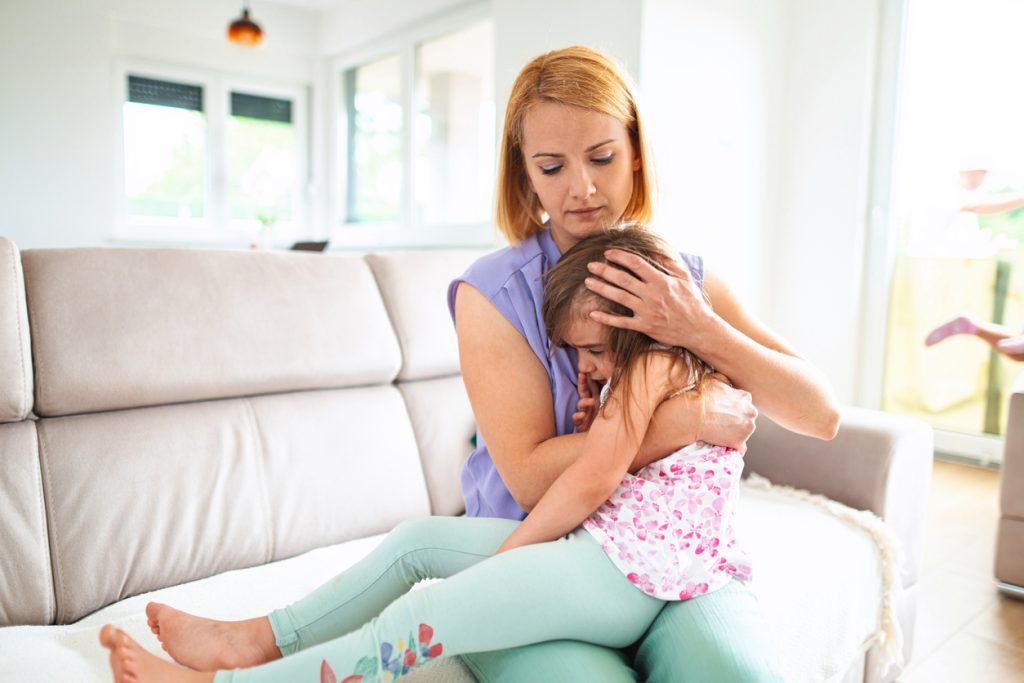
When a child is experiencing a “meltdown,” caregivers face a unique challenge: supporting their child while also trying to self regulate themselves. Maintaining your composure when someone is experiencing intense emotions is challenging enough, let alone when it’s a child you care about and are trying to support.
Co-regulation is the ability to keep calm, regulate your own emotions, and connect with your child when they’re experiencing dysregulation. After all, fire fuels fire. Responding to a dysregulated child with heightened emotions, a loud voice, and many words will only encourage their brains and bodies to mimic the same in return. In turn, this can lead to an even more intense situation that lasts for a longer period of time.
Here are some key co-regulation tips to practice when your child is dysregulated:
- Recognize which situations trigger your own emotions and big reactions. Reflect on what can quickly help you feel better in those moments. For example, a mantra or a deep breath.
- Use few words, if any, and keep a quiet, calm voice.
- Focus on connection rather than correction. Correction and reflection are more effective after heightened emotions have settled.
- Walk away, and come back. This offers both of you a break.
- Quietly repeat short, comforting sentences like, “You’re safe” or “I’m here for you”.
- If they’re expressing something, listen and validate their emotions.
- If appropriate, offer a hug or gentle squeezes of their hand.
It will take practice, trial, and error to discover which co-regulation strategies work best for you and your child.
3 Key Strategies To Foster Self Regulation
1. Build Routines
Routines offer consistency and predictability. Your child knowing “what’s next” can:
- Reduce the unexpected
- Help them feel in control
- Reduce dysregulation and challenging behaviors
As a caregiver, you can create routines that promote calm behavior and self regulation for your child. Here are some things to consider when building a daily routine:
- Incorporate breaks between difficult tasks.
- Include “their choice” time to increase their involvement and feeling of control.
- Add calm, reset time after activities that place many demands on your child, like school or hockey practice.
- Incorporate time for one-on-one connection with their caregivers, doing something they enjoy.
- Add clear time limits to activities that are hard to transition out of, so they know what to expect ahead of time.
- Create a separate weekend routine that they can still follow.
- Collaborate with them when changes are required, so they can still feel involved.
- Write the routine down on paper or a whiteboard, and post it clearly where everyone can see it.
2. Understand Triggers & Behaviors
As your child learns to manage their emotions, it helps to understand what triggers their strong reactions. Knowing these triggers can prevent some tough moments. This doesn’t mean avoiding all challenges or “walking on eggshells.” It means noticing what causes your child to lose control so you can better support them as they learn and practice self regulation skills.
You can use a behavior chart to track what happens before and after your child is dysregulated. Take note of:
- Who is around
- When it happened
- Where the behavior happened
Here are some examples of triggers you may notice:
- The environment: A room or location with a lot of people, loud noises, or bright lights can cause dysregulation. This can be especially true for children who have sensory processing differences, or for a child with anxiety.
- A change in routine: Some children struggle with coping with changes, the unexpected, or dealing with disappointment.
- A challenging peer interaction: This could involve challenges in problem-solving a conflict or peers who are unkind, teasing, or bullying them.
- Many challenging demands: Children can feel pressure after receiving many difficult instructions or demands.
As a caregiver, while your child is learning self regulation skills, you can recognize triggers and either minimize them or incorporate time for breaks and a calm reset.
3. Help Children Name & Understand Emotions
When teaching self regulation skills to your child, begin by helping them name and understand emotions. This allows them to communicate them better and have awareness of what’s going on and why when they feel them.
Here are some ways to help your child learn, name, and understand emotions:
- While reading stories, point out and name the emotions that characters in the book express. Ask your child what their facial expressions and body language show, and encourage them to tell you why they think the characters feel that way. Highlight how the character is reacting to their emotion, and discuss what they could do to feel better.
- Model naming your own emotions. During a stressful situation, explicitly name your emotions, how your body is feeling, and how you plan to react. For example, if you’ve accidentally burned your toast, you could say, “Oh no! I’m so frustrated, I burned my toast again! I feel like giving up and not eating at all, but I’ll take a sip of my juice and try to toast another slice in a minute.”
- At the end of the day, discuss the emotions and reactions of others, and reflect on them together. Ask your child questions like “Did you notice she felt mad when she didn’t get to play the game she wanted?” and point out things like “I liked how she asked her parents for a hug and still joined the group for catch after.” You can also point out strengths in their own ability to move on from challenges during their day. For example, if they lost a game, provide positive reinforcement like “I liked that you said ‘good game’ and asked to play again, even though I know you must’ve felt upset.”.
All of these examples help your child understand that it’s okay to feel emotions and also recognize that some actions or reactions are more “ok” or help us feel calmer, faster.
Other Simple Strategies To Support Self Regulation
You may also be looking for simple strategies or coping skills to help your child in the moment. It helps to teach and practice these strategies before your child feels upset. Practicing when things are calm makes it easier for them to use the strategies during a moment of stress.
Here are some ideas for calming strategies to get them started:
- Walking away to a quiet space and taking time for a break alone. You can still be nearby to offer safe supervision.
- Going outside provides them with a distraction and allows them to move, pace, or run around if they need to.
- Breathing exercises provide oxygen to the brain and body, helping them feel more relaxed and calm in a challenging situation.
- Time for a reset. Incorporate restorative, reset time in the routine, where your child doesn’t have to respond to any urgent demands.
- Set up a calm corner with sensory items that can bring comfort and regulation to their body. For example, a soft blanket in a color they like when they’re feeling upset.
- Movement and physical activity. Many people find they need to move or do something with their bodies when they feel upset, or even very excited. To avoid getting physical with others or being unsafe, practice and encourage other physical movements like running in the backyard, doing push-ups, squeezing a squishy toy, or hitting a pillow.
- Hugs and deep pressure to the hands, arms, or legs can be calming to the nervous system, especially in a moment filled with heightened emotions.
- Distraction. After validating the child’s emotions, gently distract them with something in the room or a calming activity they were looking forward to.
- Use simple verbal reminders, such as “You’re safe” and “I’m here for you,” to remind their brain and body that they will be okay.
| Remember: Initially, you may need to provide a lot of support as your child learns to self regulate. Take it step by step. You can encourage independence over time as you see them learning and applying strategies. |
References
- Rouse, M., & Martinez, A. (2025). How can we help kids with self-regulation?. Child Mind Institute.
- Salamon, M. (2024). Co-regulation: Helping children and teens navigate big emotions. Harvard Health.
- Yoo, C. (n.d.). How to support self-regulation difficulties in children. Foothills Academy.