Common Classroom Accommodations Explained
Many children benefit from classroom accommodations and additional support to access learning. Classroom accommodations can help when a child has:
- A physical disability
- A learning disability
- A diagnosis like IDD
- Anxiety
- Sensory processing differences
In this article, we’ll explain:
- What accommodations are
- Which accommodations could be most suitable for your child
Looking to learn more information like this? Check if you have free access to Trualta.
What Are Classroom Accommodations?
Classroom accommodations are tools or supports that help make learning more accessible for a child. They can involve:
- Adjustments to the way a child learns the school material
- Adjustments to how they demonstrate their knowledge
- Tools that allow the child to engage with the learning material
- Changes to how the day is structured
Learning doesn’t have to be one size fits all. Accommodations ensure children can learn and show what they know, without unnecessary barriers.
Who Benefits From Accommodations?
Classroom accommodations are commonly associated with children who have a 504 plan or an Individualized Education Program (IEP). However, any child experiencing barriers to succeeding in school may be eligible for supports and accommodations. Even if your child doesn’t have a formal diagnosis, their teacher and school team can still work with you to provide informal accommodations that support their learning.
Here are some examples of children who may benefit from accommodations:
- A student with ADHD who needs help focusing and planning out big projects.
- A student with autism who benefits from visual schedules and sensory supports.
- A student with anxiety who benefits from testing in a quiet environment.
- A student with a physical disability who requires mobility support and extra time to get to class.
The Right To Accommodations
In the United States, accommodations are protected by federal laws like:
- Section 504 of the Rehabilitation Act that ensures students with disabilities have equal access to educational opportunities, and;
- The Americans with Disabilities Act (ADA) prohibits discrimination against people with disabilities in everyday activities, such as school.
Schools are required to provide the necessary supports and accommodations to help children succeed in the classroom. Knowing the laws can strengthen your confidence when advocating for your child and their right to learn.

Common Classroom Accommodations
In this section, we list possible classroom accommodations, grouped by the challenge they can address.
Attention & Focus
- Preferential seating. For example, closer to the board or teacher, or seated with a smaller group.
- Frequent movement breaks.
- Chunking tasks into smaller steps.
- Reducing the number of questions and answers required to demonstrate comprehension of the learning material.
- Providing written instructions, rather than only verbal instructions.
- Clearing the desk environment to reduce distraction.
- Providing a quiet environment to complete work and testing.
Time Management, Organization & Planning
- Use of a visual schedule.
- Use of a visual timer.
- Use of verbal reminders.
- Use of a weekly calendar.
- Providing separate time and one-to-one support for planning a multi-step, long-term project.
- Providing clear, explicit step-by-step instructions and expectations for completing an assignment successfully.
- Building in regular check-ins to organize their desk, folders, backpack, and assignments.
- Creating a regular routine for working time.
Reading Difficulties
- Instructions read out loud.
- Audiobooks.
- Large print books and class notes.
- Extra time for reading assignments.
- Use of Braille.
Writing Challenges
- Use of a computer for typing written work.
- Use of assistive technology, such as speech-to-text software.
- Use of pencil grips.
- Use of paper with raised lines.
- Option for verbal presentations to demonstrate knowledge.
Anxiety
- Additional time for testing.
- Option to complete testing in a quieter setting with more privacy.
- Smaller group projects, rather than large group projects with many peers.
- Option for frequent breaks.
Sensory Processing Challenges
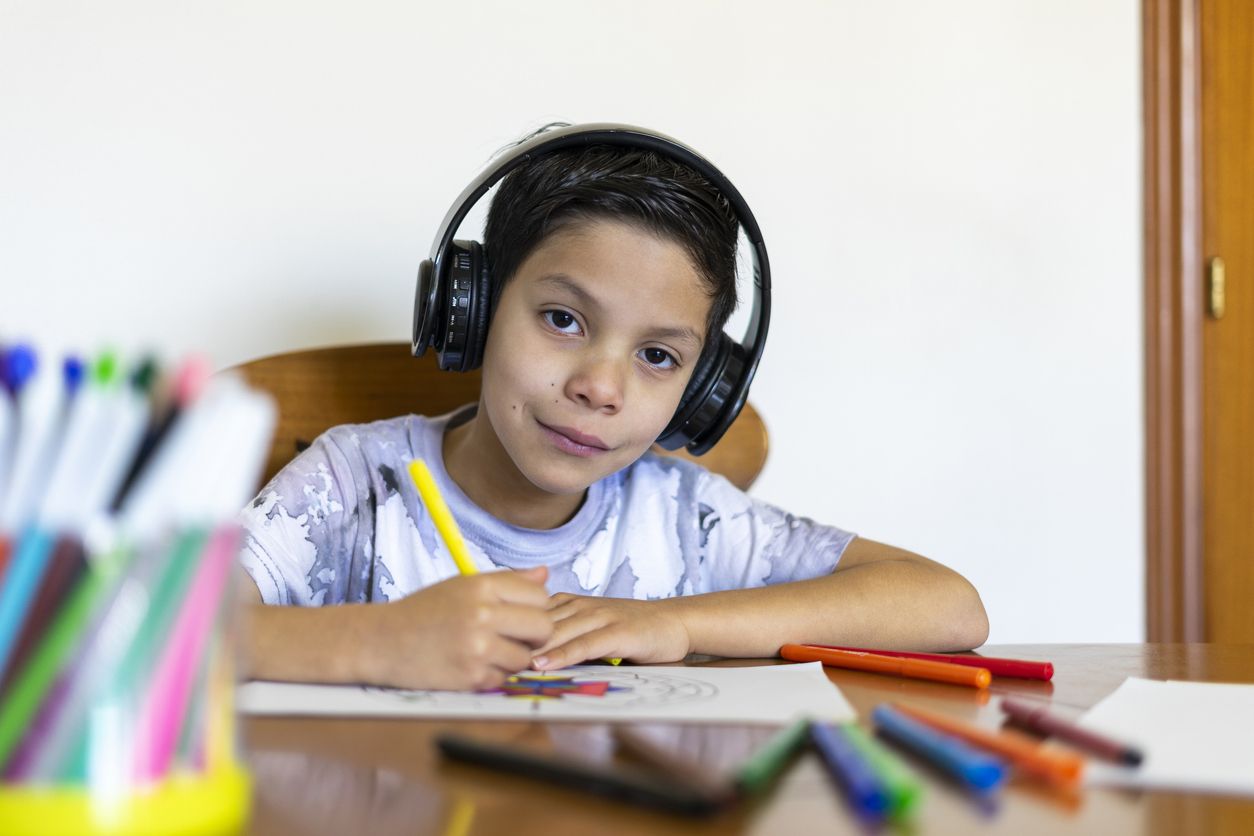
- Use of noise-cancelling headphones to reduce distractions or distress in loud class environments.
- Option to complete work and testing in a quieter setting.
- Access to frequent breaks.
- Adaptive seating. For example, a wobble stool or wobble cushion can be placed on their chair.
- Access to fidget tools.
Mobility Challenges
- Elevator access.
- Ramp access.
- Automatic doors.
- Adaptive seating.
- Modified expectations for physical education classes.
Self-Regulation Or Behavior Challenges
- Frequent movement breaks.
- Frequent quiet, calm breaks.
- Use of a visual schedule and timer.
- Use of a positive reinforcement system, like a sticker chart.
| Tip: When reviewing possible accommodations with your child’s school team, ask yourselves: “What barrier or difficulty does my child face, and which tool or accommodation can reduce or remove that barrier?” |
Monitor Progress
Parents, educators, and caregivers should monitor whether accommodations are being used, effectively implemented, and making a difference.
- Talk to your child, if possible. Name each accommodation specifically, one by one, and ask how it’s helping, when they use the accommodation, and if it helps them feel more comfortable or less stressed in class.
- Check in with teachers and professionals. Ask for updates on how accommodations are working, or not working, to improve participation and performance in class.
- Track progress. Compare test scores and work samples from before and after the accommodations were implemented.
- Adjust as needed. Accommodations are not set in stone. If something isn’t working, or you or others have thought of an additional reasonable accommodation that can help, request a meeting to revise the plan.
Conclusion
Classroom accommodations can make learning more accessible and successful for children with diverse needs. They provide children with an equitable opportunity to learn and demonstrate their learning and abilities to others.
By understanding the types of accommodations available, knowing your child’s rights, and actively monitoring progress, you can help your child access a supportive learning environment where they can thrive.
References
- Ontario Human Rights Commission. (n.d.). Accommodations.
- Schultz, S. (2022). Differences between a 504 plan and an Individualized Education Program (IEP). National Education Association.
- U.S. Department of Education. (n.d.). Section 504.
- U.S. Department of Justice Civil Rights Division. (n.d.). Introduction to the Americans with disabilities act. ADA.gov