Caregiver 101: Insulin Pumps For Type 1 Diabetes
Living with type 1 diabetes (T1D) comes with a few challenges. The biggest challenge is managing blood sugar levels with a regular insulin delivery system. Insulin delivery is the action of getting insulin into the body to manage a person’s blood sugar level. Not having enough insulin can lead to dangerously high blood sugar levels. Too much insulin can lead to hypoglycemia, or low blood sugar, which is also harmful.
There are two main options for insulin delivery: injecting insulin a few times a day with an insulin pen or using an insulin pump. Whether your care recipient uses a pump or not is a personal choice they should make with their doctors and caregivers. As a caregiver, it’s important that you understand how insulin pump therapy works and how to use it safely.
For more information on caregiving, including caring for insulin pump users, check whether you have free access to Trualta resources.
What Is An Insulin Pump?
Diabetes mellitus is a condition of high blood sugar. The two main types of diabetes mellitus are type 1 and type 2. In type 1 diabetes, the body does not make enough insulin, the hormone that manages blood glucose levels.
An insulin pump is a medical device that a person wears that transports insulin that starts working quickly. A person who has type 1 diabetes can wear the pump instead of using multiple daily injections (MDIs) of insulin to manage blood glucose levels. Some people with type 2 diabetes can also use a pump.
Insulin pump technology has improved over time, and now most pumps can connect to continuous glucose monitoring (CGM) systems. This makes managing blood sugar simpler and automatic.
The monitor and pump work together to adjust the insulin dosage or amount the person gets based on their glucose levels at that time. However, patients and caregivers still have the option to control the dosage and make changes to when and how much insulin is delivered.
How Does An Insulin Pump Work?
An insulin pump delivers insulin to the body in two ways:
- Basal Delivery. Basal insulin is given in small doses throughout the day and night. Basal insulin helps keep blood sugar levels stable. The basal delivery is set for each patient and can be changed as needed.
- Bolus Delivery. Bolus insulin is an extra insulin dose or a surge of insulin used with normal basal delivery to manage high blood glucose because of eating. The pump will deliver this surge based on what you tell it about how much carbohydrates a patient ate and their blood sugar levels. The pump suggests an insulin bolus dose, which you can use or change.
Insulin pumps include a few different types of technology to make their use safe and useful. For example, most pumps have alarms to tell you:
- If glucose levels are too high
- If the pump’s battery
- Insulin levels are low.
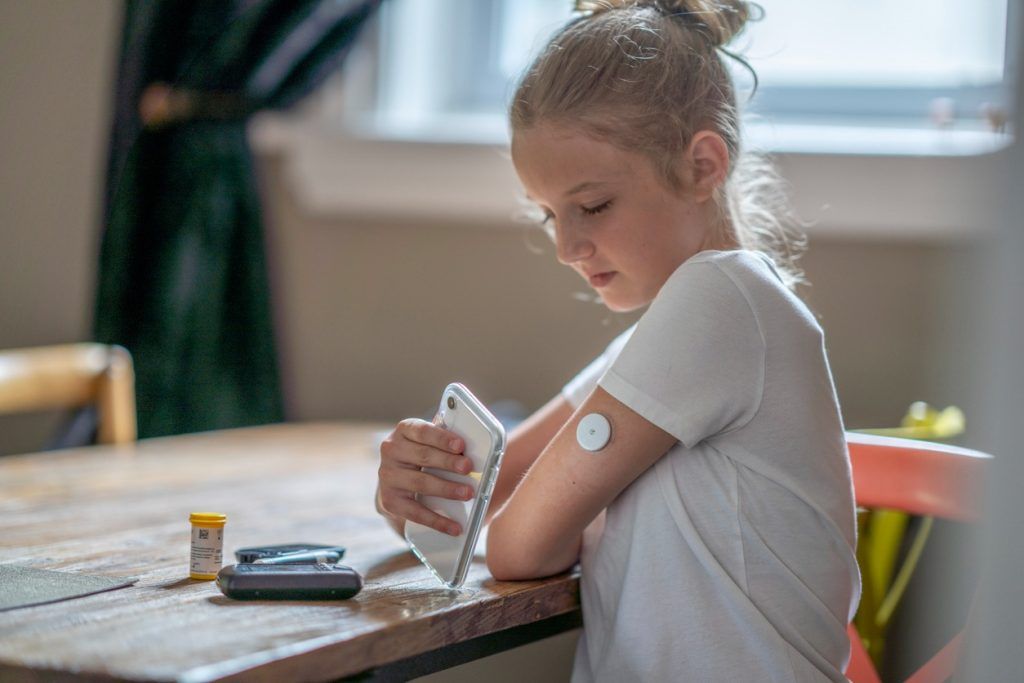
Most pumps can even be controlled via a smartphone app.
What Are The Different Types Of Insulin Pumps?
There are two main types of insulin pumps, each with a few different brands. The type your care recipient uses depends on their needs and preferences.
Tubed Insulin Pumps
Tubed or tethered pumps are pumps that connect to the patient with a long, flexible tube. This tube attaches to a cannula under the skin that delivers the insulin. The part that contains the cannula is the infusion set, which sticks to the arm.
The pump itself is a machine with a screen for controlling and programming doses and a reservoir or cartridge of insulin. The pump usually needs to be refilled every two to three days. It can fit in a pocket or clip to a belt, clothing, or bag.
The pump usually lasts for years, but the other parts of a tubed system will be replaced. Each time you refill it, you use a new infusion set, tubing, and reservoir. Many tethered pumps are waterproof, but patients often remove the infusion site when bathing or swimming.
Tubeless Insulin Pumps
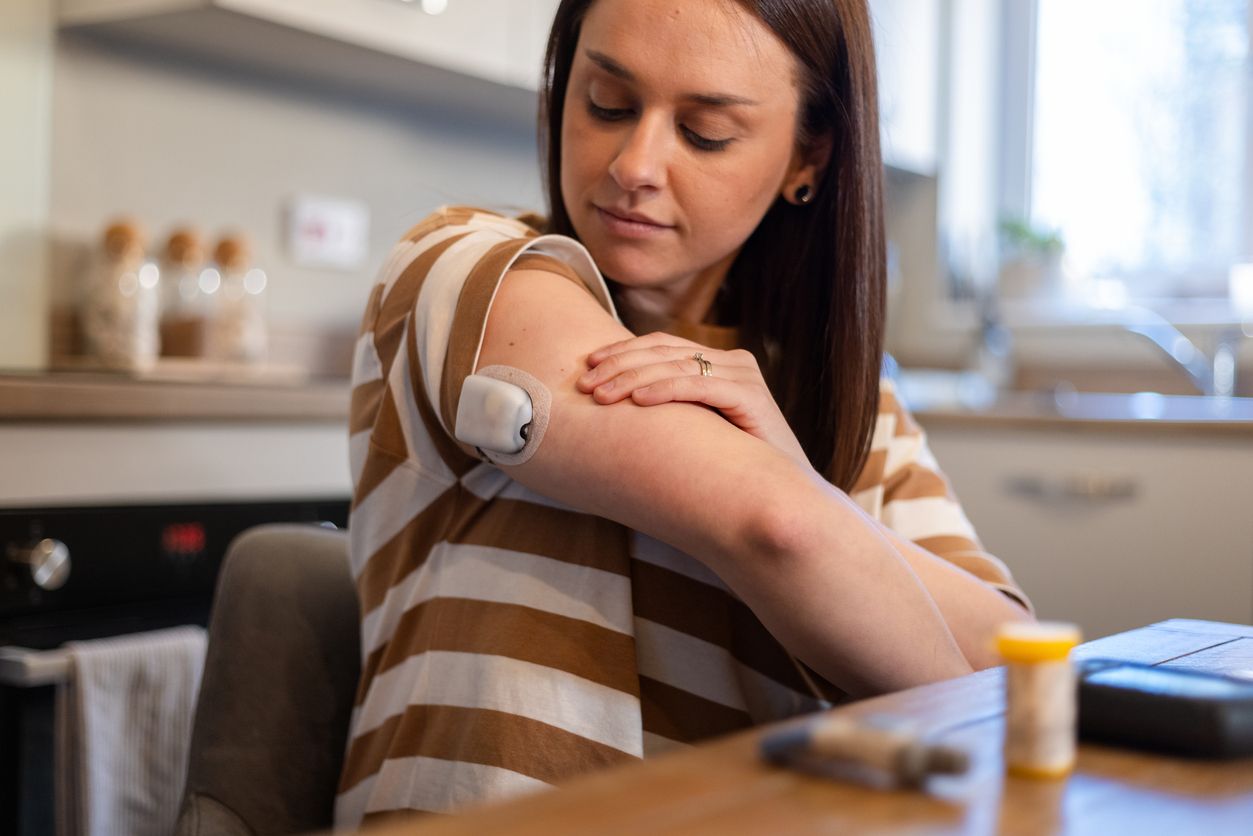
Also known as a patch pump, a tubeless pump also uses a cannula under the skin to deliver insulin. The difference is that the reservoir or insulin and the cannula are together in a pod or micro pump that sticks to the skin. The patient uses a small controller to wirelessly control the pump.
To use a tubeless insulin pump, you fill the reservoir in the pod with insulin, stick the pod to the skin, and push a button to release the needle that pushes the cannula under the skin. Just like a tubed insulin pump, a patch pump holds enough insulin for two to three days.
Patch pumps are easy to use and also waterproof. They usually do not need to be removed until it’s time to replace them. You can swim, bathe, and shower with the pod on the skin.
What Are The Benefits Of Using An Insulin Pump?
How someone with T1D manages their condition is usually a personal choice. The patient should make their choice with advice from their diabetes care team and suggestions from close loved ones, like caregivers.
There are many benefits to using a pump instead of regular insulin injections or MDIs:
- More stable glucose levels. A constantly working pump that can be adjusted when needed allows for more stable blood sugar levels. Patients on pumps usually have better blood glucose levels, are less likely toexperience hypoglycemia, and have better overall control of their condition.
- Greater flexibility and convenience. It’s easier to be flexible with diet and activities when using a pump compared to MDIs. Many people find that a pump is convenient, better fits their day-to-day lives, and improves their overall quality of life.
- Access to data. A continuous glucose monitoring pump allows you to collect, store, and see information about your blood sugar levels. This can be especially useful for doctors to see for changing treatment.
- Improved mortality. Studies show that insulin pumps can actually be life-saving. Patients with T1D who use pumps overall are less likely to die from this disease when you compare the numbers to compared to patients who use multiple daily insulin injections.
What Are The Disadvantages Of Insulin Pump Therapy?
The benefits are great for most patients, but there are downsides to pumps. Pumps are very easy to use once they are set up and working. On the other hand, it takes some time to learn how to use a pump and to get used to it.
There might be a higher risk of diabetic ketoacidosis when using an insulin pump. Diabetic ketoacidosis happens when the body does not have enough insulin, so it starts using fat for energy. This creates ketones that build up in the blood and urine, making the blood too acidic, which can be dangerous. This is because pumps depend on fast-acting insulin. If the pump fails for some reason, there is no long-lasting insulin in the body to reduce blood sugar levels.
The sticky part on the pod and infusion set that attaches to the skin can lose its stickiness before the two or three days of use are up. Some people might also have some skin irritation from the sticky part or inflammation at the cannula site.
Who Should Use Insulin Pump Therapy?
Anyone with type 1 diabetes should think about using a pump for insulin delivery. Most patients with type 2 diabetes mellitus do not need insulin, but those who do may benefit from a pump.
Doctors consider T1D patients who are willing to use a pump, prepared to learn how to use it, and physically able to use it to be the best candidates. Patients who are active and want more flexibility in their lives, as well as women who are or might be pregnant, are also great candidates.
Patients who have T1D and have a hard time keeping their blood sugar levels stable can especially benefit from a pump. Another issue that is better managed with a pump is gastroparesis, when there is a delay in the stomach’s absorption of food.
Who Should Not Use An Insulin Pump?
Many patients with type 2 diabetes do not need insulin, and don’t need a pump. Type 1 patients who are not interested in learning about the safe and best use of a pump are not good candidates.
Even with a caregiver to help, using a pump can be tricky for someone who is not mentally or physically able to use it safely.
Anyone using an insulin pump must be prepared for equipment problems. They should have long-lasting insulin injections on hand and be able to use them, just in case.
What Is The Caregiver’s Role?
Most people with type 1 diabetes can manage their pumps with little or no assistance. If you’re a caregiver for someone who does need help, your role might include a few different responsibilities. These vary depending on the needs and abilities of the care recipient:
- Being educated and informed about how the pump works and how to use it safely
- Understanding the daily routines of using a pump
- Preparing for possible issues with the pump
- Guiding or performing regular pump management tasks, like refilling the insulin, checking for air bubbles, and stocking supplies
- Managing information from a continuous glucose monitor
- Changing the pump site as needed and preventing or managing any skin irritation
- Troubleshooting technical problems
- Being prepared with insulin injections in case the pump fails
- Communicating with the care recipient’s diabetes team about progress or any issues
Most importantly, as the caregiver, you should be prepared to adapt to your care recipient’s needs. This means understanding how the pump works, how to operate it safely, and how to maintain it, even if they don’t need a lot of help right now. Make sure you both learn these details before you start using a pump.
References
- American Diabetes Association. (n.d.). Insulin pumps: Relief and choice.
- Breakthrough T1D UK. (n.d.). Insulin pumps.
- Cleveland Clinic. (n.d.). Insulin pumps: What they are, how they work, and types.
- Diabetes Journals. (2024). 946-P: Insulin pump therapy in type 1 diabetes. Diabetes, 73(Supplement 1).