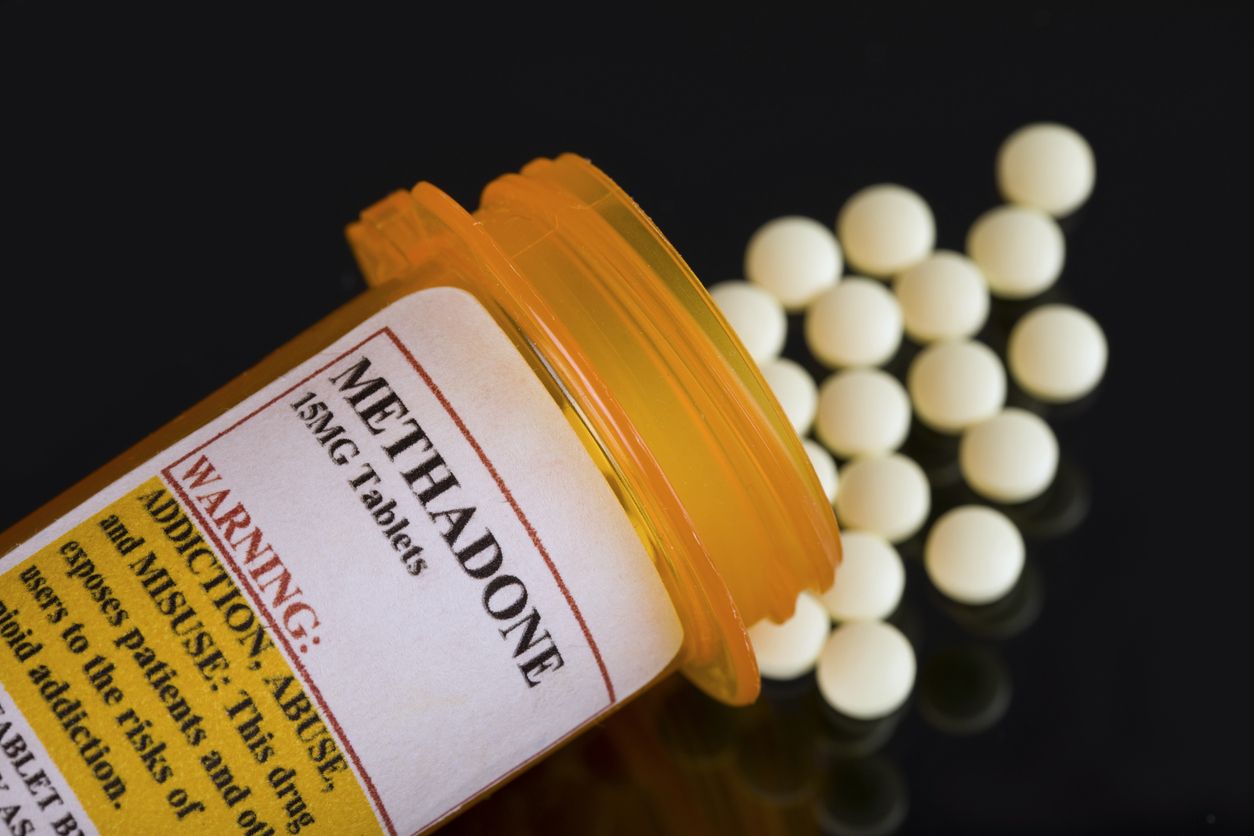
Methadone Treatment: How It Works Day to Day
Methadone maintenance is one part of comprehensive treatment for opioid use disorder (OUD). If you care for someone with opioid addiction, part of your care may include supporting them through methadone treatment.
Opioid use disorder can include heroin addiction or dependence on prescription opioid medicines or fentanyl. It is a very serious and life-threatening addiction. Treating opioid use disorder effectively requires comprehensive care. Methadone is just one part of a full treatment plan.
There is a lot of misinformation about methadone. Here we explain
- what it is,
- how treatment works,
- how you can support your loved one as they go through long-term, daily methadone maintenance.
To learn more about all aspects of caregiving, including caring for a loved one with opioid use disorder, click here to find out if you have free access to all of our resources.

Methadone Facts
Myths about this treatment for opioid use disorder are common, so here are some methadone fast facts to help you get to the truth:
- When offered in a clinical setting and with medical supervision, methadone maintenance treatment is safe and effective.
- Methadone treatment is more effective than total abstinence (totally avoiding an opioid) for most people with opioid use disorder.
- According to research, methadone treatment can reduce the risk of a fatal overdose by 50%.
- Methadone maintenance is part of a comprehensive treatment plan that also includes counseling and therapy for opioid dependence.
- Methadone patients are not getting high when they take methadone.
- Dosing of methadone is unique to every patient and can be adjusted to ensure they get the most effective dose with the fewest side effects.
What Is Methadone?
Methadone is an opioid, just like heroin, fentanyl, and other opioids that are often misused and that lead to addiction. Some opioids are natural substances that come from the opium poppy, like morphine. Others are derived from processing natural opioids, like heroin, or are fully synthetic, like fentanyl.
Methadone is a synthetic opioid agonist. Like other opioids, it acts in the body by binding to opioid receptors. There are a few effects of this, including blocking pain and releasing dopamine and other neurotransmitters, resulting in a feeling of pleasure. Opioids are sedatives, which means they slow central nervous system activity and breathing.
Methadone is a prescription narcotic drug. It is listed as a Schedule II controlled substance because it can be habit-forming. Methadone has been approved by the Food and Drug Administration (FDA) to treat opioid use disorder and to manage severe pain.
How Does Methadone Work To Treat Opioid Dependence?
While methadone is an addictive opioid, it is far less addictive than others. It produces a less intense feeling of pleasure. This is what makes it so useful in treating addiction to other opioids.
Commonly abused opioids, like heroin, release huge amounts of dopamine, causing a sense of euphoria, known as a high, which is why many people turn to drug use. Over time and with repeated use, people can become dependent on opioids. This is called opioid use disorder or opioid addiction.
Methadone, on the other hand, is a long-acting opioid given in doses that don’t release as much dopamine all at once. Because it binds to the same opioid receptors as drugs, methadone reduces opioid withdrawal symptoms and cravings for other opioids. It also reduces the effects of those opioids if the person on methadone maintenance were to relapse and start using again.
One way to think of how methadone maintenance works is to consider it a medication that allows a person with an addiction in recovery to live more normally. People living with opioid addiction don’t relapse to get high. They relapse because withdrawal feels so bad. Methadone helps them feel better, reduces the urge to relapse, and allows them to enjoy life again while taking other steps to manage their addiction and recovery long-term.
People with opioid dependency need therapy and support to establish and keep up with recovery, but methadone is a useful tool to support these other strategies. It’s important to understand that it is not a quick fix. Patients are typically on methadone for a year or longer.
What Are The Side Effects & Risks of Methadone Maintenance?
When provided in a clinical setting with supervision, methadone treatment is safe. As with any medication, there are risks and potential side effects. These are some of the more common methadone side effects your loved one might experience:
- Nausea
- Vomiting
- Restlessness
- Excessive sweating
- Constipation
- Sexual dysfunction
- Headaches
- Itchy skin
Methadone can also cause more serious side effects:
- Difficulty breathing
- Dizziness, lightheadedness, fainting
- Hives, a rash, and swelling in the mouth and face
- Seizures
- Chest pains
- Rapid heartbeat
- Hallucinations and confusion
While it is a habit-forming drug, methadone addiction is not typical. The longer-lasting nature of the dopamine release means it does not produce the same intense feeling as other opioids. Of course, addiction is still a risk, especially if your loved one doesn’t follow the medication guidance and misuses their methadone.
Methadone overdose is also possible, but not common, because of how tightly controlled it is. This becomes a bigger risk if your loved one is eventually allowed to take their methadone medication home. Misuse can lead to an opioid overdose.
Methadone may also cause drug interactions with certain medications. Your loved one’s treatment team should know of all medications they take to determine safe methadone doses. They will also need to know about other health conditions, especially kidney or liver disease.
One of the reasons methadone is considered a safe treatment is that it is highly controlled, and doctors prescribe it based on each patient. The dose your loved one receives has been chosen specifically for their needs, and the doctors have taken into account all potential risks.
How Can My Care Recipient Access Methadone Treatment?
As a medication assisted treatment, methadone maintenance therapy is generally considered safe and effective, but it is not always easy to access. Compared to other opioid use disorder medications, like buprenorphine, methadone is more tightly controlled.
There are stricter regulations on who can prescribe methadone. Your loved one’s primary care doctor cannot prescribe them methadone. You’ll need to go to a special clinic and work with a specific type of healthcare professional.
Previously called methadone maintenance treatment programs, these facilities are now known as opioid treatment programs (OTPs). OTPs, or methadone clinics, are specialized medical facilities staffed by drug addiction and healthcare professionals. They work with patients to create individualized treatment plans.
Methadone is the only prescribed medication handled this way. Instead of getting a prescription to take home, the patient must go to an OTP clinic to receive their methadone.
Since the COVID-19 epidemic, some of these restrictions have relaxed. After a period of time in which your loved one shows they can be responsible with their medication, they may be allowed to take methadone at home instead of making a daily visit to a clinic. Even with this take-home option, access remains a challenge. The patient can’t go to any pharmacy. They can only get their methadone from an OTP.
It’s not usually difficult to find an OTP in a city. If you live and provide care in a rural setting, getting methadone treatment is more challenging. You can help your loved one get started by using the OTP search tool offered by the Substance Abuse and Mental Health Services Administration. You can also talk to your loved one’s primary care provider for guidance on how to get started with a methadone treatment plan.
How Does Methadone Maintenance Treatment Work On A Daily Basis?
Methadone treatment is daily. If your loved one begins this treatment journey, they will be taking methadone every day for at least a year. This is a long-term, daily part of overall opioid use disorder treatment.
While regulations have relaxed to some extent, most patients still need to go to a special clinic to take methadone. Prescribing methadone is not the same as with other medications. You can’t fill the prescription at the drugstore and take methadone home to use as you would with other medicines.
As a caregiver, your role may include taking your loved one to their daily clinic appointments. Many clinics are only open in the mornings, so it’s important to check the schedule to make sure you arrive on time. Missing a dose can be detrimental to recovery and can lead to a relapse.
OTP patients typically receive their daily methadone dose as a liquid, a pill, or powder that is dissolved in liquid. A methadone injection is typically only used for patients using the medication to manage pain. A nurse at the clinic will dispense the dose and give it to the patient, who will then take it under direct supervision.
Methadone doses vary by patient. Your loved one’s initial dose will probably be low. The doctor will gradually increase the dose until they find the right amount that reduces withdrawal symptoms and opioid cravings without causing intoxication.
Regular Monitoring Of Methadone Treatment
In addition to your loved one’s daily methadone, they will need to see their specialist team regularly throughout treatment. These regular visits help the OUD treatment team make sure your loved one is making progress and that their dose is still right for them.
At review appointments, you can expect to discuss your loved one’s current methadone dose and whether it needs to be changed. You should update the team about any changes in your loved one’s health or medications.
The addiction medicine team may also want to ensure your loved one is not currently using drugs. They may need to undergo a urine screening to confirm they are staying sober.
Regular review meetings may be as frequent as every week in the first couple of months of methadone treatment. If your loved one is responding well to treatment, the reviews will become less frequent, often every month or six weeks.
Using Methadone At Home
After several months in an OTP, your loved one may qualify for take-home doses of methadone. This depends on the patient demonstrating that they can safely manage methadone at home. Several factors go into the decision:
- Consistency and timeliness with clinic appointments
- No recent substance abuse or alcohol use
- A safe plan for storing methadone at home
- Responsible behavior in the clinic
- Active engagement in the entire treatment plan, including therapy
- Overall stability in treatment and life outside of the clinic
- Good care coordination, including involving the primary care physician and any specialists treating the patient for other health conditions
Having a caregiver in the home can also be a bonus factor when considering if a patient is eligible for take-home methadone. A caregiver who can provide practical and emotional support in the home helps ensure the patient will take their methadone safely and as directed.
As a caregiver, you can help ensure your loved one continues methadone maintenance safely and effectively outside the clinic setting. Help them create a plan for safe storage of methadone. Ensure they get to their pickup appointments at the clinic on time. Create an organizational strategy at home to make sure they take the right doses at the right times.
Here are some additional important safety tips to remember if your loved one is allowed to take methadone at home:
- Always ensure they take methadone exactly as directed. For instance, dispersible tablets should be dissolved in a liquid, not swallowed. Never let your loved one take more than the prescribed dose, and ensure they take their doses at the assigned times.
- If your loved one missed a dose, have them take the next dose at the assigned time. Do not let them take an additional dose.
- Patients on methadone should not drink alcohol and should take care when driving or operating equipment.
- Keep methadone stored safely and securely, so that no one else can access it. It should be stored away from light and at room temperature.
- Never share methadone or give it to anyone other than the person it is prescribed for.
Is Methadone Treatment Worth The Trouble?
Methadone treatment for opioid substance abuse is not simple or quick. It requires time and commitment to do it right, and there are some risks, so is it worth the effort? These are the most important benefits of methadone maintenance:
- Reducing Withdrawal. Opioid withdrawal is intense, uncomfortable, and even painful. An appropriate dose of methadone significantly reduces these symptoms.
- Preventing Cravings & Relapse. Methadone also reduces cravings, which, along with withdrawal symptoms, is a big reason many people relapse.
- Reducing Overdose Risk. A relapse can derail sobriety and recovery, but more importantly, it can lead to an overdose. Overdose is a real risk when someone is desperate to stop the discomfort of opioid withdrawal. They might end up taking an unsafe amount of an opioid and have a fatal overdose. Methadone literally saves lives in this way.
- Providing Stability. Opioid addiction is a constant struggle. A person in active addiction spends nearly all their time, energy, and money getting, using, and recovering from using drugs. Everything else falls by the wayside, including work, personal care, health, and relationships. Methadone can bring stability to this chaotic way of life. It allows the patient to attend therapy sessions, work, rebuild relationships, and more.
- Supporting Long-Term Recovery. Opioid addiction is a chronic condition, and recovery is a long-term process. A methadone program can provide the stability and structure over a long period of time that your loved one needs to meet their recovery goals.
While there are obvious benefits to methadone treatment for opioid addiction, it’s not right for everyone. The staff at an OTP and your loved one’s primary care physician can help you decide if they are a good candidate for this kind of treatment. There are alternatives to methadone medication, like buprenorphine and naltrexone.
When & How Does Methadone Treatment End?
The daily reality of methadone treatment can go on for a long time. It’s important for patients and their caregivers to understand what it takes to go through this therapy. It’s also useful to understand how and when treatment ends.
Ending methadone therapy is different for everyone, but the general recommendation is to stay on methadone maintenance for at least one year. Some people stay on it for many years. You and your loved one should discuss the duration with the prescribing doctor at the start of treatment.
If your loved one has been on methadone for a while and is thinking of stopping, don’t do so without talking to the doctor first. They may have good reasons for stopping, such as severe side effects or feeling they no longer need the care.
If your loved one is ready to stop, you must work with the prescribing doctor and the clinic to end treatment. Methadone withdrawal can begin if your loved one stops using it abruptly. When the time is right, the clinic will create a plan to taper off methadone use safely. This will prevent the worst withdrawal symptoms and allow the body to adjust. Be patient, as this process can take several weeks.
Self-Care For Caregivers Of Methadone Patients
Caring for someone with an opioid use disorder can be challenging. Helping them get addiction treatment is a big step, but there are also difficulties associated with daily methadone use. From ensuring they get to the clinic every day to supporting their new sobriety, your role is vital.
As you work with your loved one on their recovery, be sure to take care of your own needs. Here are some tips for keeping yourself safe and well. during a loved one’s methadone treatment:
- Know Your Limits. Working with a person with an addiction can be emotionally challenging and also, at times, physically unsafe. If you don’t always feel safe around your loved one, speak up and ask for help. There are other options, such as recovery facilities, where they can get treatment.
- Enlist Others. The work of caring for a person with an opioid addiction is both emotionally draining and time-consuming. If you have other family members you trust, enlist them to help you. They can help with practical caregiving chores, like housekeeping or making meals, or they can help with some of the more emotional work of supporting a loved one in recovery.
- Manage Your Health. It’s easy to let your own health slide while caring for someone else. Make time to eat well, get exercise, and get plenty of sleep.
- Join a Support Group. Support groups for caregivers or loved ones of people with an addiction are great ways to get support from peers. These are safe environments to share your experiences and difficult emotions while also benefiting from others’ experiences.
- Get Therapy. Your mental health can suffer while watching a loved one go through addiction and recovery. If a support group is not enough, consider getting therapy to work through the difficult aspects of caregiving.
Methadone maintenance treatment is an effective, mostly safe, tool for helping opioid users overcome their addiction. Understanding how it works and what to expect will help you better prepare to support your loved one through this process.
References
- Johns Hopkins Bloomberg School of Public Health. (2023). Barriers to methadone access. Johns Hopkins University.
- American Society of Health-System Pharmacists. (2025, October 15). Methadone. MedlinePlus, National Library of Medicine.
- Weiss, D. (2023, June 12). Patients with opioid addiction describe the factors that make them quit methadone. Penn Leonard Davis Institute of Health Economics.
- Substance Abuse and Mental Health Services Administration. (n.d.). Opioid treatment program directory. U.S. Department of Health & Human Services.