Is Dialysis Painful? Insight For Caregivers
If you’re caring for someone undergoing dialysis, you might wonder whether the treatment causes pain and what you can do to help ease their experience. In this article, you’ll gain a better understanding of the experience and how to help your care recipient through it.
Are you looking for more tips on how to care for someone with kidney disease? Check if you have free access to Trualta.
What Is Dialysis?
Before discussing how dialysis feels, it’s helpful to understand what it is. Dialysis is a treatment that helps clean the blood when the kidneys aren’t working properly, often due to chronic kidney disease, damage, or failure. It helps replace kidney function by filtering out waste products, excess fluids, and toxins that healthy kidneys would normally remove from the body.
The Two Main Types Of Dialysis
The way dialysis feels can depend on the type of treatment. Here’s a quick overview of the two main types of dialysis treatment:
- Hemodialysis or haemodialysis: Blood passes through a dialysis machine outside the body for cleaning. The machine’s artificial kidney filters it and returns clean blood to the body. This is done at a dialysis center or at home with special equipment.
- Peritoneal dialysis: Special fluid enters the belly through a catheter to help remove waste and extra fluids from the body. The waste and extra fluid then drain out, usually during the day and overnight. This type of dialysis is typically done at home.
Is Hemodialysis Painful?
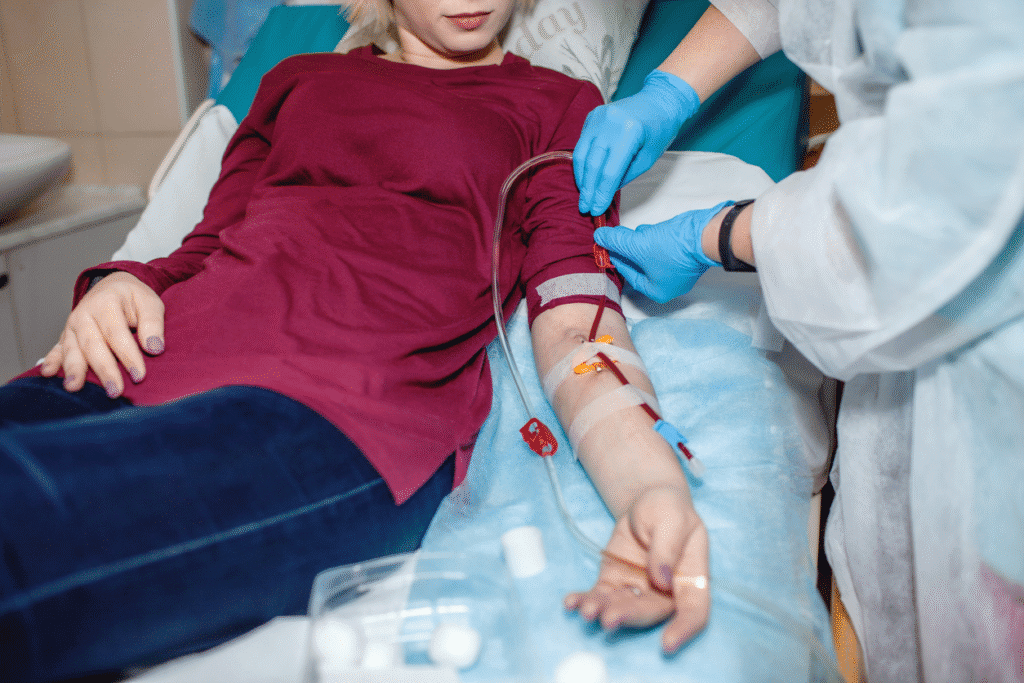
Hemodialysis treatment itself doesn’t cause pain. Some people may feel pain or discomfort when the needle is inserted into the blood vessel connectors at the start of treatment. However, most people find that it gets easier over time as the arm adjusts to the needles. The blood vessels also become stronger and larger, which helps make the needle insertion smoother.
People don’t typically feel pain during hemodialysis treatment. Still, some may experience side effects like nausea, headaches, muscle cramps, or low blood pressure as their body adjusts to the changing fluid levels.
Is Peritoneal Dialysis Painful?
Peritoneal dialysis treatment doesn’t involve needles, so needle-related pain isn’t an issue. Most peritoneal dialysis patients don’t feel pain when the dialysis solution, a fluid, is added via the catheter. However, some people may feel mild discomfort or bloating. This typically goes away once the fluid drains out. A small portion of peritoneal dialysis patients may feel discomfort with the draining. The good news is that, like hemodialysis, as the body adjusts, this discomfort typically decreases.
Potential Discomfort During Dialysis & How To Manage It
While dialysis isn’t usually painful, it can cause some discomfort, and it’s important to address it right away. The level of discomfort depends on the type of dialysis and can vary from person to person. As a caregiver, knowing how to manage these discomforts can help make the dialysis patient’s experience easier. Here are common discomforts patients might experience and how caregivers can help:
Needle Insertion (Hemodialysis):
During hemodialysis, discomfort can occur when a needle is inserted into a blood vessel connector, like a fistula or graft. Over time, the blood vessels adjust to the needles, and the process becomes less uncomfortable.
Caregiver Tips:
- Reassure your dialysis patient before treatment and help them stay calm by practicing deep breathing exercises together.
- Ask the healthcare team about numbing creams to reduce discomfort during needle insertion.
Abdominal Bloating Or Cramps (Peritoneal Dialysis)
For those undergoing peritoneal dialysis, mild bloating or cramps in the abdomen can happen when the dialysate fluid is first introduced. As the body adjusts to the treatment, this sensation usually lessens.
A small proportion of people on peritoneal dialysis, especially women and those with polycystic kidney disease, may also feel discomfort or cramping when the dialysis fluid drains from the belly. This is known as drain pain and is more common with automated peritoneal dialysis than continuous ambulatory peritoneal dialysis. However, the pain with automated peritoneal dialysis is often less intense.
Caregiver Tips:
- Encourage your care recipient to breathe slowly and deeply to relax their stomach muscles.
- Gently moving around or adjusting their position can also help ease the discomfort.
- Preventing constipation and caring for the catheter properly can help reduce the risk of drain pain.
- If pain continues or worsens, contact the care recipient’s healthcare team to explore ways to adjust the treatment and improve comfort.
Headaches & Fatigue
Dialysis can sometimes cause headaches or fatigue as the body adjusts to changes in fluid balance and waste removal.
Caregiver Tips:
- Rest is important, so remind them to take it easy and avoid overdoing it.
- If headaches persist, it’s important to inform the healthcare teams as dialysis parameters may need to be adjusted.
Muscle Cramps (Hemodialysis)
Some hemodialysis patients develop muscle cramps in their limbs during or after treatment due to shifts in the body’s fluid balance.
Caregiver Tips:
- If cramps happen, encourage your care recipient to stretch or move gently to relieve the discomfort.
- Applying heat to the affected area can also help.
- If cramps become frequent or they report severe pain, contact their healthcare team for further guidance.
Nausea & Vomiting
Some people may experience nausea or vomiting during or after dialysis, often due to changes in fluid balance, buildup of toxins in the blood, or the body’s response to treatment.
Caregiver Tips:
- If your loved one persistently feels nauseous or vomits, make sure to speak with their healthcare team; they’ll be able to determine the cause and adjust the treatment of medications as needed.
Changes In Blood Pressure
Because of the fluid changes in the body, dialysis can lead to changes in blood pressure, especially a drop in blood pressure. This may cause the person to feel dizzy or lightheaded.
Caregiver Tips:
- If your care recipient feels lightheaded, encourage them to lie down and elevate their feet.
- If these symptoms don’t improve, it’s important to consult the healthcare team for further evaluation.
Restless Leg Syndrome
Some dialysis patients may experience restless leg syndrome, which causes an uncomfortable urge to move the legs, especially during or after treatment. Symptoms are often worse after periods of inactivity.
Caregiver Tips:
- Help stretch or massage the leg to help relax the muscles.
- Encourage gentle movement and good sleep hygiene.
- There can be different causes of restless leg syndrome during dialysis. Speak with the healthcare team for advice on possible treatments.
Itchy Skin
Dialysis helps remove waste from the blood, but it doesn’t always eliminate everything. When toxins build up between treatments, some people with chronic kidney disease feel itchy. Dry skin, mineral changes, and nerve irritation from kidney disease can worsen the itching.
Caregiver Tips:
- Use fragrance-free moisturizers and soaps.
- Ensure your care recipient follows fluid and phosphorus restrictions.
- If itching becomes severe, bring it up with the care team.
| Overall, both hemodialysis and peritoneal dialysis treatments shouldn’t cause pain, but they can sometimes lead to discomfort. The level of discomfort can vary depending on the type of dialysis. Remember, if your dialysis patient feels pain before, during, or after treatment, they should let their healthcare team know right away. |
Conclusion
As a caregiver, it’s natural to have concerns when someone you care for starts treatment. While dialysis isn’t typically painful, it can involve some discomfort, which can vary from person to person.
If discomfort occurs during dialysis, it often comes from:
- Needle insertion at the onset of hemodialysis
- The feeling of fluid filling or leaving the belly during peritoneal dialysis
- Side effects like abdominal or muscle cramps
You can make each dialysis session a little easier for your loved one by understanding the dialysis treatment process, providing practical help, and offering emotional support. If your care recipient experiences pain or any new symptoms during dialysis, it’s important to let the care recipient’s healthcare team know right away. They are there to provide guidance, support, and solutions.
References
- American Kidney Fund. (n.d.). Dialysis.
- National Kidney Foundation. (n.d.). Dialysis myths and facts.
- Gerogianni, G., Polikandrioti, M., Babatsikou, F., & Zyga, S. (2023). Factors affecting pain in hemodialysis and non-pharmacological management. Cureus, 15(3), e35448.
- Tang, E., Curtis, J. W., Ibrahim, M., & Nissenson, A. R. (2023). Understanding and managing drain pain in peritoneal dialysis. American Journal of Kidney Diseases.