Examination For Stroke: What To Expect
When your loved one has a stroke, it can feel scary and overwhelming. You might have many questions about what happens next. This guide will help you understand the examination for stroke and what to expect during this difficult time.
Are you interested in learning more about providing care for your loved one who may have experienced a stroke? Check if you have free access to Trualta’s library of resources.
What Is A Stroke?
A stroke happens when blood flow to part of the brain stops. The brain stops receiving blood and oxygen, causing several symptoms, such as slurred speech or weakness on one side of the body.
There are two main types of strokes:
- Acute Ischemic Stroke: This happens when a blood clot blocks blood flow to the brain. It’s the most common type of stroke. About 8 out of 10 strokes are this type.
- Hemorrhagic Stroke: This happens when a blood vessel bursts in the brain. This type is less common but often more serious.
Important facts about stroke:
- Nearly 800,000 people in the U.S. experience a stroke each year
- About 87% of strokes are ischemic (caused by blocked blood vessels)
- Fast treatment can double or triple the chance of recovery
Why Quick Action Matters
Promptly spotting stroke symptoms leads to faster treatment and less damage to the brain. Doctors often say “time is brain” because every minute counts for the patient. The faster your loved one gets help, the better their chances of recovery.
The BE FAST Test
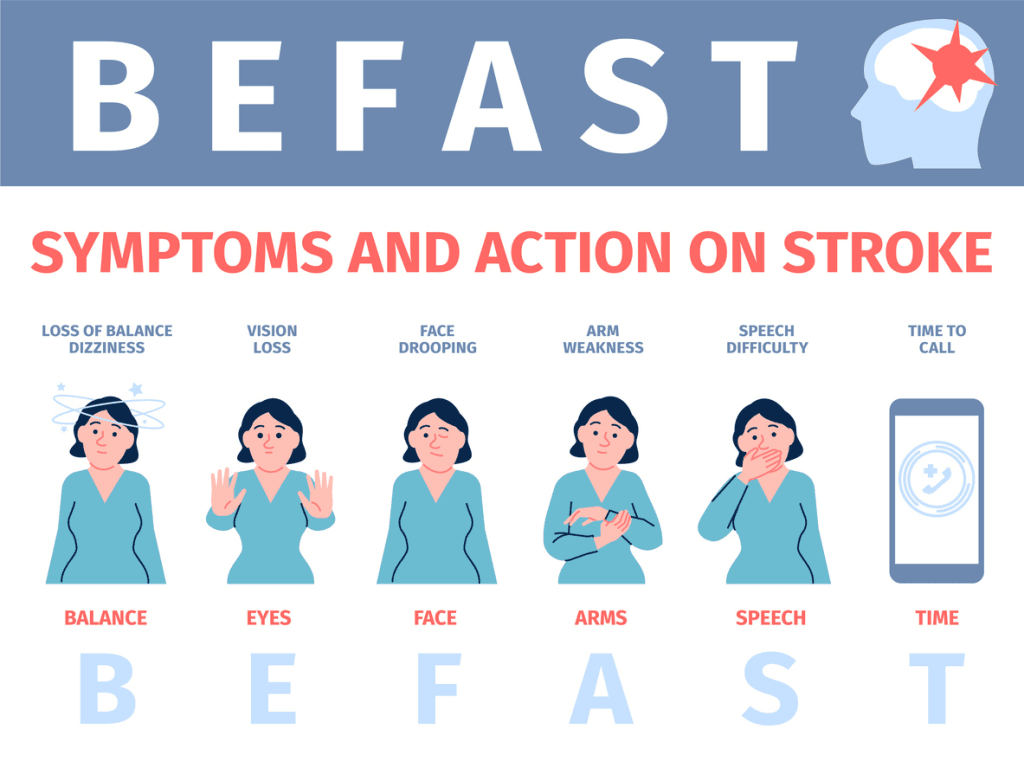
Before we talk about hospital tests, it’s important to know the BE FAST test. This test helps you spot signs of a stroke quickly:
- Balance: Has the person lost their balance?
- Eyes: Has the person experienced vision changes?
- Face: Can the person smile? Has their mouth or eye drooped on one side?
- Arms: Can the person raise both arms fully and keep them there? Look for weakness or numbness, especially on one side.
- Speech: Can the person speak clearly? Listen for slurred or strange speech.
- Time: Call 911 right away if you see any of these signs.
Other stroke symptoms to watch for include:
- Sudden confusion
- Dizziness
- Severe headache
Don’t wait to see if these stroke symptoms go away. Call 911 immediately. If you’re with someone having symptoms, stay with them and give emergency responders as much information as possible.
What Happens In The Emergency Room
When you arrive at the hospital, things will move quickly. The medical team knows that fast treatment is key. Here’s what you can expect:
First Steps
The nurses and doctors will ask many questions. They need to know:
- When the symptoms started
- What symptoms you noticed
- Your loved one’s medical history
- What medications they take
- Any allergies they have
If you’re with someone who’s had a stroke and they cannot speak, you may be asked for information about their symptoms. Don’t worry if you don’t know all the answers. Give them whatever information you can.
Vital Signs Check
The medical team will perform a physical exam and check basic health signs right away:
- Blood pressure
- Heart rate
- Temperature
- Breathing rate
- Blood oxygen levels
These numbers help doctors understand how serious the situation is.
Types Of Tests For Stroke Examination
The doctors will order several tests to figure out what type of stroke happened and how to treat it. Here are the main tests you should know about:
Brain Scans
CT Scan (Computed Tomography)
A CT scan uses X-rays to take pictures of the brain. A CT scan of the head is usually one of the first imaging tests used for a stroke. This test:
- Takes about 5-10 minutes
- Doesn’t hurt
- Can show bleeding in the brain or damage to brain cells
- Helps doctors decide on treatment quickly
Your loved one will lie on a table that slides into a large, donut-shaped machine. They’ll need to stay very still during the scan.
MRI Scan (Magnetic Resonance Imaging)
An MRI gives more detailed pictures of the brain than a CT scan. This test:
- Takes 15-45 minutes
- Uses magnets instead of X-rays
- Shows smaller areas of brain damage
- Is very loud (they’ll get ear protection)
Not everyone gets an MRI right away. Doctors usually do a CT scan first because it’s faster.
Blood Tests
The medical team will draw blood to check for:
- Blood sugar levels
- Blood clotting ability
- Signs of infection (infection markers)
- Kidney and liver function
- Cholesterol levels
- Electrolyte balance
These tests help doctors understand what might have caused the stroke and how to treat it safely. They also help rule out other causes of symptoms that might look like a stroke.
Heart Tests
Electrocardiogram (ECG or EKG)
This test checks the heart’s rhythm. Small stickers go on the chest, arms, and legs. The test:
- Takes just a few minutes
- Doesn’t hurt at all
- Shows if heart problems caused the stroke
- Can detect irregular heart rhythms like atrial fibrillation, which increases stroke risk
Echocardiogram
This is like an ultrasound of the heart. A technician moves a small device over the chest. The test:
- Takes 30-60 minutes
- Shows how well the heart is pumping
- Looks for blood clots in the heart
- Finds heart abnormalities that might cause strokes
Other Tests Your Loved One Might Need
Depending on the situation, doctors may also order:
Carotid Ultrasound
- Checks for narrowing in the neck arteries, including the carotid artery
- Uses sound waves to see blood flow
- Helps find blockages that could cause strokes
Swallowing Test
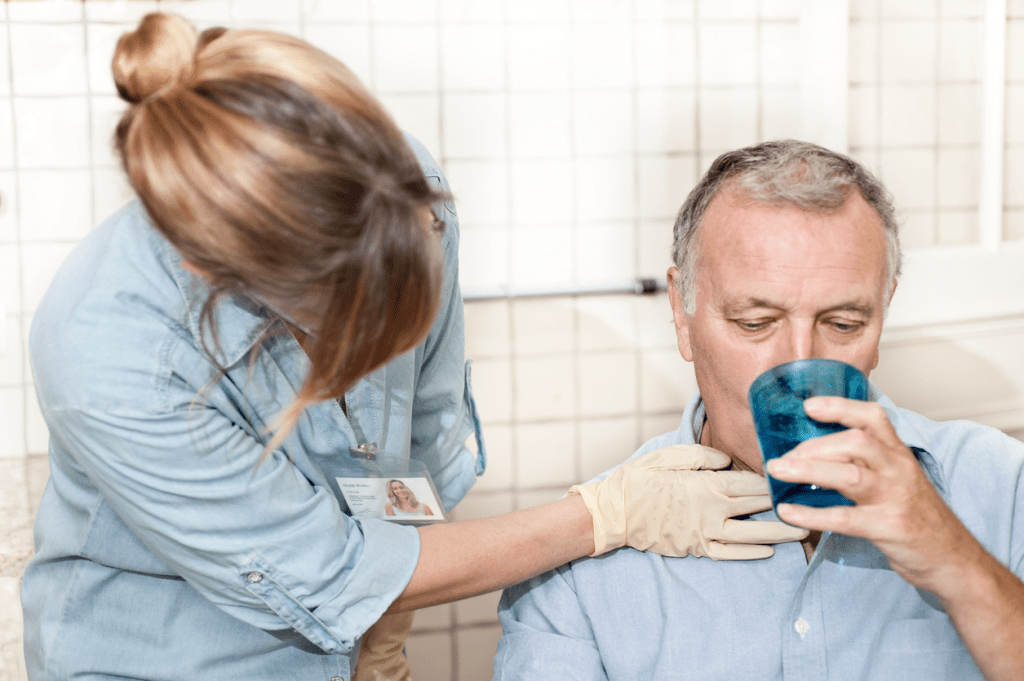
Many stroke patients have trouble swallowing safely. A speech therapist will:
- Give small amounts of water or food
- Watch how your loved one swallows
- Make sure food doesn’t go into the lungs
This physical examination is important for safety. If swallowing isn’t safe, your loved one might need a feeding tube as part of their stroke treatment.
Special Stroke Assessment Scales
Doctors use special scoring systems to measure how severe the stroke is. The most common one is called the NIH Stroke Scale.
NIH Stroke Scale
One test that helps doctors judge stroke severity is the standardized NIH Stroke Scale. This test checks:
- Alertness and awareness
- Eye movements
- Visual field
- Facial muscle function
- Arm and leg strength
- Balance and coordination
- Speech and language
- Sensation and touch
During this neurological exam, the doctor will ask your loved one to do simple tasks like:
- Following a moving finger with their eyes
- Smiling or showing their teeth
- Lifting their arms and legs
- Repeating simple words
- Answering basic questions
The total score helps doctors understand:
- The extent of the brain damage
- What treatments might help
- What the recovery might look like
Don’t worry if your loved one can’t do some of these tasks. This is normal after a stroke, and many people get better with time and therapy.
What Caregivers Can Do
Being a caregiver of a stroke patient during the examination can feel helpless, but you play an important role:
Provide Information
You know your loved one best. Tell the medical team about:
- Any changes you noticed before the stroke
- Their normal abilities and personality
- Their daily routine and habits
- Any concerns or questions you have
Stay Calm & Supportive
Your loved one might be scared or confused. You can help by:
- Speaking in a calm, gentle voice
- Holding their hand if possible
- Explaining what’s happening in simple words
- Letting them know you’re there for them
Ask Questions
Don’t be afraid to ask the medical team questions like:
- What type of stroke happened?
- What treatments are you considering?
- How long will the tests take?
- What should I expect next?
- How can I help my loved one?
Take Care of Yourself
This is a stressful time for you too. Remember to:
- Eat regular meals
- Stay hydrated
- Take breaks when you can
- Ask family or friends for support
Understanding Test Results
The test results will help doctors create a stroke treatment plan. Here’s what different results might mean:
If It’s An Ischemic Stroke
This means a blood clot is blocking blood flow. About 87% of all strokes are this type.
Treatments might include:
- Clot-busting medications (if caught early enough)
- Blood thinners to prevent more clots
- Procedures to remove the clot
The type of stroke determines the treatment. For example, ischemic strokes may be treated with clot-busting medication, but this is only effective within a short time window.
If It’s A Hemorrhagic Stroke
This means there’s bleeding in the brain. Hemorrhagic strokes require different, often surgical, interventions. Treatments might include:
- Surgery to stop the bleeding
- Medications to control blood pressure
- Close monitoring in the intensive care unit
If It’s A “Mini-Stroke” (TIA)
A transient ischemic attack (TIA or mini stroke) is when the symptoms go away quickly. Even though symptoms improve, this is still serious because:
- It’s a warning sign of a bigger stroke coming
- Your loved one needs treatment to prevent a full stroke
- The same blood tests, imaging tests, and evaluations are still needed
- A TIA may not leave permanent damage, but should still be evaluated with similar tests
What Happens After The Initial Examination
Once the doctors know what type of stroke occurred, several things will happen:
Treatment Begins
The medical team will start treatments right away. This might include:
- Medications to prevent more strokes
- Blood pressure management
- Blood sugar control
- Monitoring for complications
Hospital Stay
Most stroke patients stay in the hospital for several days. During this time:
- Nurses check on them regularly
- Doctors adjust treatments as needed
- Therapy teams begin early rehabilitation
- Social workers help plan for going home
- Patients are typically moved to a stroke unit or intensive care area for monitoring
Planning For Recovery
As recovery continues at home, keeping a log of anything notable, like mood swings, changes in physical or cognitive ability, positive changes, etc., can go a long way at follow-up rehabilitation appointments. The team will help you prepare for:
- What to expect during recovery
- What therapies might be needed
- How to make the home safe
- Follow-up appointments
Frequently Asked Questions
Q: How long does a stroke examination take?
A: The initial assessment can be completed within minutes. The medical team knows that fast treatment is key, so they work quickly. Imaging and lab results can take longer, but speed is always a top priority.
Q: Can a stroke be diagnosed after symptoms go away?
A: Yes. Even if symptoms improve or disappear completely, it’s still important to get checked. A TIA or mini-stroke may not leave permanent damage, but doctors should still evaluate to help prevent a larger acute stroke.
Q: What test confirms a stroke?
A: A brain imaging test, usually a CT scan or MRI, confirms a stroke diagnosis. These scans show doctors exactly what happened in the brain.
Q: Can a stroke be misdiagnosed?
A: Yes, especially if symptoms are mild or unusual. That’s why a full physical exam, including imaging and blood tests, is important. Sometimes other conditions can look like a stroke.
Common Concerns & Fears
As a caregiver, you might worry about many things. Here are some common concerns and helpful information:
“Will They Get Better?”
Recovery from a stroke is different for everyone. Many factors affect recovery:
- Where in the brain the stroke happened
- Stroke severity or how much brain tissue was affected
- How quickly treatment started
- Overall health before the stroke
- Age
Some people recover completely, while others have lasting changes. The medical team will help you understand what to expect.
“Could This Happen Again?”
Stroke survivors are at high risk of having another stroke. But there are many ways to lower this risk:
- Taking medications as prescribed
- Eating a healthy diet
- Exercising as approved by doctors
- Not smoking
- Managing other health conditions
- Regular check-ups with doctors
“What If They Can’t Talk?”
Problems communicating, including difficulty speaking or understanding language, are common after a stroke. Speech therapists can help with:
- Regaining speech abilities
- Learning new ways to communicate
- Using communication devices if needed
- Helping family members understand communication changes
“How Do I Handle All This?”
Being a stroke caregiver is hard work. If you have recently become a stroke caregiver, you will find some helpful information about the stroke recovery process and your new responsibility. Remember:
- You don’t have to do everything alone
- It’s okay to ask for help
- Many resources are available to support you, like support groups
- Taking care of yourself helps you care for others
Preparing For The Road Ahead
The examination for stroke is just the beginning of the journey. Here’s how to prepare for what comes next:
Learn About Stroke
The more you understand about stroke, the better you can help your loved one. Good resources include:
- American Stroke Association
- National Institute of Neurological Disorders and Strokes (NINDS)
- Your hospital’s education materials
- Support groups for stroke families
- Trualta’s resources for stroke caregivers
Build Your Support Team
Recovery takes a team effort. Your team might include:
- Family and friends
- Doctors and nurses
- Physical therapists
- Occupational therapists
- Speech therapists
- Social workers
- Support groups
Make Your Home Safe
Before your loved one comes home, you might need to make changes like:
- Removing throw rugs that could cause falls
- Installing grab bars in the bathroom
- Making sure there’s good lighting
- Keeping frequently used items within easy reach
Plan For Follow-Up Care
Make sure your loved one eats a healthy diet, exercises, takes medications as prescribed, and visits their healthcare provider regularly. This includes:
- Regular doctor visits
- Taking medications exactly as prescribed
- Attending all therapy appointments
- Monitoring for signs of another stroke
Financial & Insurance Considerations
Stroke care can be expensive, but help is available:
- Insurance Coverage: Many insurance plans cover:
- Emergency room visits
- Hospital stays
- Diagnostic tests
- Basic rehabilitation services
- Financial Help: If you’re having trouble paying for care:
- Ask the hospital about financial assistance programs
- Look into community resources
- Contact stroke organizations for help finding resources
- Talk to a social worker about options
Taking Care Of Yourself As A Caregiver
Don’t forget about your own needs during this time:
Physical Health
- Get enough sleep when you can
- Eat healthy meals regularly
- Try to exercise, even if it’s just a short walk
- See your own doctor for regular check-ups
Emotional Health
- Talk to friends and family about your feelings
- Consider joining a caregiver support group or online forum
- Don’t be afraid to ask for professional help if you’re feeling overwhelmed
- Take breaks when possible
Practical Support
- Ask family and friends to help with specific tasks
- Use community resources like meal delivery or transportation services
- Look into respite care services
- Don’t try to do everything yourself
Conclusion
The examination for stroke can feel overwhelming, but understanding what to expect can help you feel more prepared and confident.
Remember that:
- Quick action and fast treatment make a big difference
- The medical team is there to help both you and your loved one
- Many people recover well from strokes with proper care and support
- You play an important role in your loved one’s recovery
- Taking care of yourself is just as important as caring for others
Recovery from stroke is often a long process, but many people go on to live full, meaningful lives. With the right medical care, rehabilitation, and family support, your loved one has the best chance for recovery.
Remember that you’re not alone in this journey. There are many resources, support groups, and healthcare professionals ready to help you and your loved one through this challenging time. Click here to explore more resources from Trualta to help guide your path as a caregiver.
References
- American Stroke Association. (n.d.). About stroke.
- Centers for Disease Control and Prevention. (2023). Stroke facts.
- Mayo Clinic. (2023). Stroke diagnosis and treatment.
- American Stroke Association. (n.d.). Types of Stroke and treatment.
- National Institute of Neurological Disorders and Stroke. (2020). Stroke: Hope Through Research.