What To Do After A Stroke: At Home Tips
Coming home from the hospital after a stroke can feel both exciting and scary. You’re glad your loved one is home, but you might wonder how best to care for them. This guide will help you know what to do after a stroke at home to help your family member heal and stay safe.
As a caregiver, you’re a vital part of your loved one’s stroke team. For additional resources to guide you through providing home care during the stroke recovery process, check if you have free access to Trualta.
Understand Your Loved One’s Stroke
Before you leave the hospital, make sure you understand what happened. Ask the medical stroke team to explain:
- What type of stroke your loved one had
- Which parts of the brain were affected
- What abilities might be changed
- What to expect during recovery
Keep Track Of Recovery
Start a simple notebook or journal to track your loved one’s progress. Write down:
- How they’re feeling each day
- New symptoms you notice
- Questions you want to ask doctors
- Small improvements you see
This information helps doctors understand how recovery is going for the stroke survivor and what treatments might help.
Make Your Home Safe
After a stroke, your loved one might have trouble with balance, walking, or using one side of their body. Making your home safer helps prevent falls and injuries.
Remove Dangerous Items
Walk through your home and look for things that could cause falls:
- Throw rugs or loose carpet
- Clutter on floors
- Electrical cords across walkways
- Slippery bath mats
Remove these items or secure them so they won’t move.
Add Safety Features
Simple changes can make a big difference:
- Put grab bars in the bathroom next to the toilet and in the shower
- Add handrails along the stairs
- Make sure all areas have good lighting
- Keep a flashlight by the bed
- Put non-slip mats in the bathtub
Arrange Furniture For Easy Movement
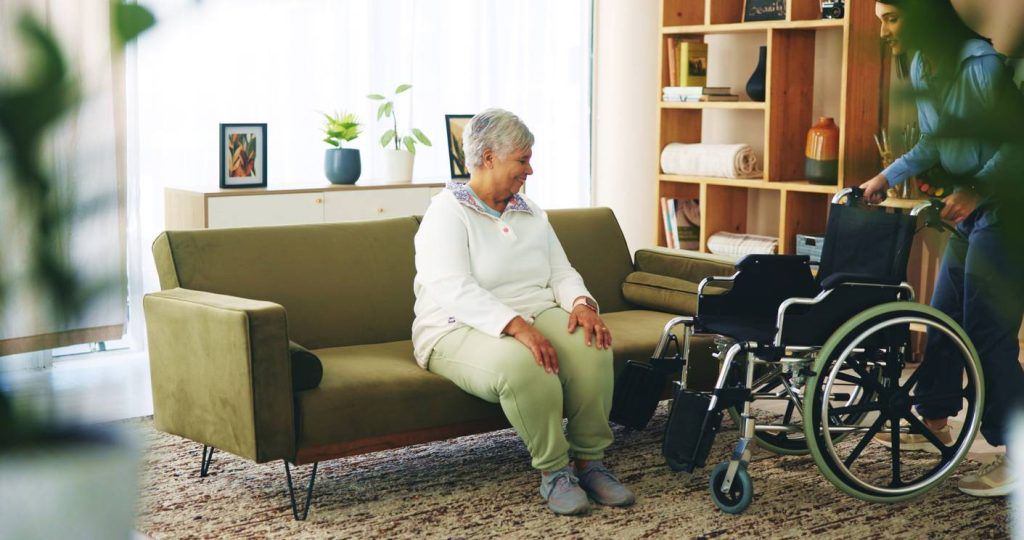
If your loved one uses a walker, wheelchair, or cane:
- Move furniture to create clear paths
- Make sure doorways are wide enough
- Keep frequently used items within easy reach
- Consider moving their bedroom to the main floor if stairs are hard
Create A Daily Routine
Having a regular schedule of daily activities helps your loved one feel more confident and makes care easier for you.
Set Regular Times For:
- Medications: Give medicines at the same times each day. Use a pill organizer to keep track, and set phone alarms to remind you.
- Meals: Practice healthy eating at regular times. This helps with digestion and gives structure to the day.
- Exercise and therapy: Do prescribed exercises at the same time each day. This builds the habit.
- Rest: Schedule quiet time or naps. Recovery takes a lot of energy.
Use Memory Aids
If your loved one has trouble remembering things:
- Use a large calendar to mark appointments
- Set alarms for important activities
- Put labels on commonly used items
Follow the Recovery Plan
The hospital will give you a recovery plan. Following this plan is very important for getting better and preventing a second stroke.
Take All Medications
Your loved one likely has several new medications. These might include:
- Blood thinners to prevent clots
- Blood pressure medicines
- Cholesterol medicines
- Other medications for specific health problems
Never skip doses or stop medicines without asking the doctor first. If you’re worried about side effects, call the doctor’s office.
Attend All Appointments
Keep all follow-up appointments with your loved one’s:
- Primary care doctor
- Neurologist (brain doctor)
- Physical therapist
- Speech therapist
- Occupational therapist
These appointments help track recovery and adjust treatments. Attending therapy sessions, such as physical, occupational, and speech therapy, is vital to the stroke treatment plan.
Do Prescribed Exercises
Therapists will give you exercises to do at home. These might include:
- Moving arms and legs to prevent stiffness
- Walking or balance practice
- Speech exercises
- Memory or thinking activities
Do these exercises daily. Regular practice leads to better recovery for your care recipient.
Help With Rehabilitation At Home
Not all therapy happens in a clinic or inpatient facility. You can help your loved one continue improving once they’re home.
Physical Recovery
Help with the exercises the physical therapist taught you. Start slowly and be patient. Some exercises the therapist may prescribe include:
- Walking short distances several times a day
- Stretching exercises to prevent muscle tightness
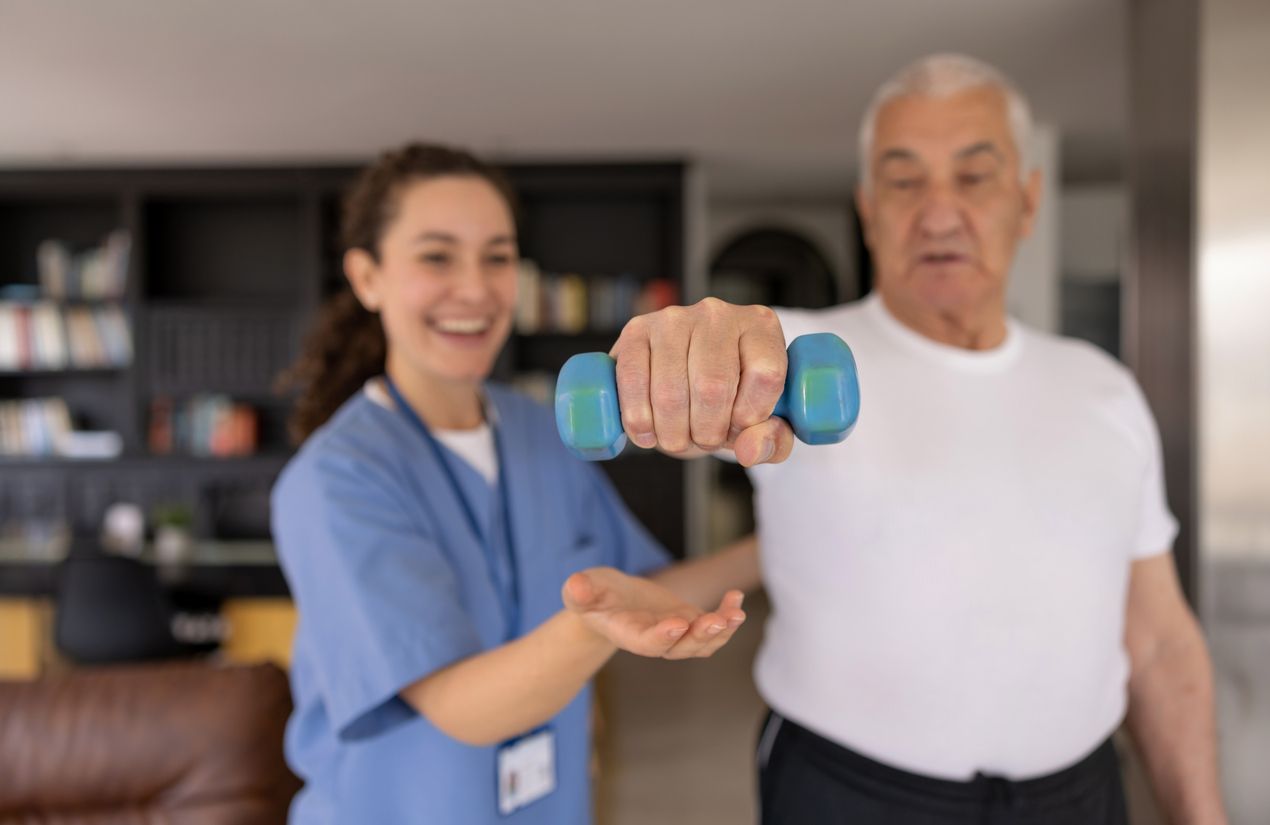
- Simple strength exercises using light weights or resistance bands
Speech & Communication
If your loved one has trouble speaking or understanding:
- Speak slowly and clearly
- Give them time to respond
- Use gestures or pictures to help communicate
- Practice speech exercises given by the speech therapist
- Be patient as communication problems are frustrating for your care recipient
Brain Exercises
Help keep the mind active with:
- Simple puzzles or word games
- Reading together
- Looking at photo albums and talking about memories
- Playing card games or board games
Take Care Of Emotions
Stroke affects more than just the body. Many people feel sad, angry, or scared after a stroke. This is normal.
Watch For Signs Of Post Stroke Depression
Look for:
- Sleeping too much or too little
- Loss of interest in favorite activities
- Crying more than usual
- Not wanting to eat
- Saying hopeless things
If you see these signs, talk to the doctor. Depression after stroke is common and can be treated.
Provide Emotional Support
- Listen when they want to talk about their feelings
- Encourage them when they feel frustrated
- Celebrate small improvements
- Be patient when progress seems slow
- Help them stay connected with friends and family
Find Support For Both of You
Look for:
- Stroke support groups in your community
- Online support groups for caregivers
- Counseling services
- Religious or spiritual support
You don’t have to handle everything alone.
Encourage A Healthy Diet
Good nutrition helps the brain heal and prevents another stroke.
Focus Healthy Foods
Include:
- Fruits and vegetables
- Whole grains like brown rice and whole wheat bread
- Lean proteins like fish and chicken
- Low-fat dairy products
- Nuts and beans
Limit Unhealthy Foods
Reduce:
- Salt (sodium)
- Saturated and trans fats
- Sugary foods and drinks
- Processed foods
If your loved one has trouble swallowing or using utensils:
- Cut food into small pieces
- Use special utensils with large handles
- Serve softer foods
- Make sure they sit up straight while eating
Stay Active Safely
Exercise helps recovery and prevents another stroke. Start slowly with doctor approval.
Simple Activities
- Walking around the house or yard
- Chair exercises
- Stretching
- Light gardening
- Swimming (if cleared by the doctor)
Exercise Safety
- Always have someone nearby
- Stop if they feel dizzy or tired
- Start with short periods (5-10 minutes)
- Gradually increase time and intensity
- Follow the physical therapist’s guidelines
Know When To Call The Doctor
Know the warning signs that need immediate medical attention. Call 911 if you see:
- Signs of another stroke (use BE FAST test)
- Trouble breathing
- Chest pain
- Severe headache
- High fever
- Uncontrolled bleeding
Call the doctor’s office for:
- A new or worsening symptom
- Problems with medications
- Falls or injuries
- Significant mood changes
- Questions about care
Keep important phone numbers in an easy-to-find place.
Take Care Of Yourself
Caring for a stroke patient is hard work. You need to take care of yourself, too.
Prevent Caregiver Burnout
- Ask family and friends for help
- Take breaks when you can
- Keep up with your own doctor appointments
- Eat healthy and exercise
- Get enough sleep
Use Available Resources
Look into:
- Respite care services
- Home care aides
- Meal delivery services
- Transportation services for appointments
- Financial assistance programs
Stay Connected
Don’t isolate yourself. Keep in touch with:
- Friends and family
- Other caregivers
- Support groups
- Community organizations
Plan For The Future
Recovery from stroke takes time – sometimes months or years. Think ahead about long-term needs:
- Will your loved one be able to return to work?
- Can they drive safely?
- Do they need long-term help at home?
- Are finances and legal matters in order?
Talk to social workers, doctors, and family members about these important decisions.
Important Facts To Remember
- Nearly 25% of stroke survivors will have another stroke within five years
- Most recovery happens in the first 3-6 months, but improvement can continue for years
- Following the care plan reduces the risk of another stroke
- Small improvements add up to big changes over time
You Can Do This
Caring for someone after a stroke feels overwhelming at first. Remember that you’re learning as you go, and that’s okay. Every day you’re helping your loved one heal and regain independence.
Take it one day at a time. Celebrate small victories. Ask for help when you need it. Most importantly, remember that recovery is possible with patience and persistence. You’re not just a caregiver, you’re a vital part of your loved one’s recovery team. The care and support you provide at home make a real difference in their healing and quality of life.
Remember to check if you have free access to Trualta for more caregiving resources, support groups, forums, and webinars.
References
- American Stroke Association. (2024). Make your home work for you moving around the house.
- Centers for Disease Control and Prevention. (2024). Stroke facts.
- Bakas, T., Clark, P. C., Kelly-Hayes, M., King, R. B., Lutz, B. J., & Miller, E. L. (2014). Evidence for stroke family caregiver and dyad interventions: A statement for healthcare professionals from the American Heart Association and American Stroke Association. Stroke, 45(9), 2836–2852.
- American Heart Association/American Stroke Association. (2024). 2024 Guideline for the Primary Prevention of Stroke. Stroke.
- Cleveland Clinic. (2023). 10 tips for changing your diet after a stroke.