
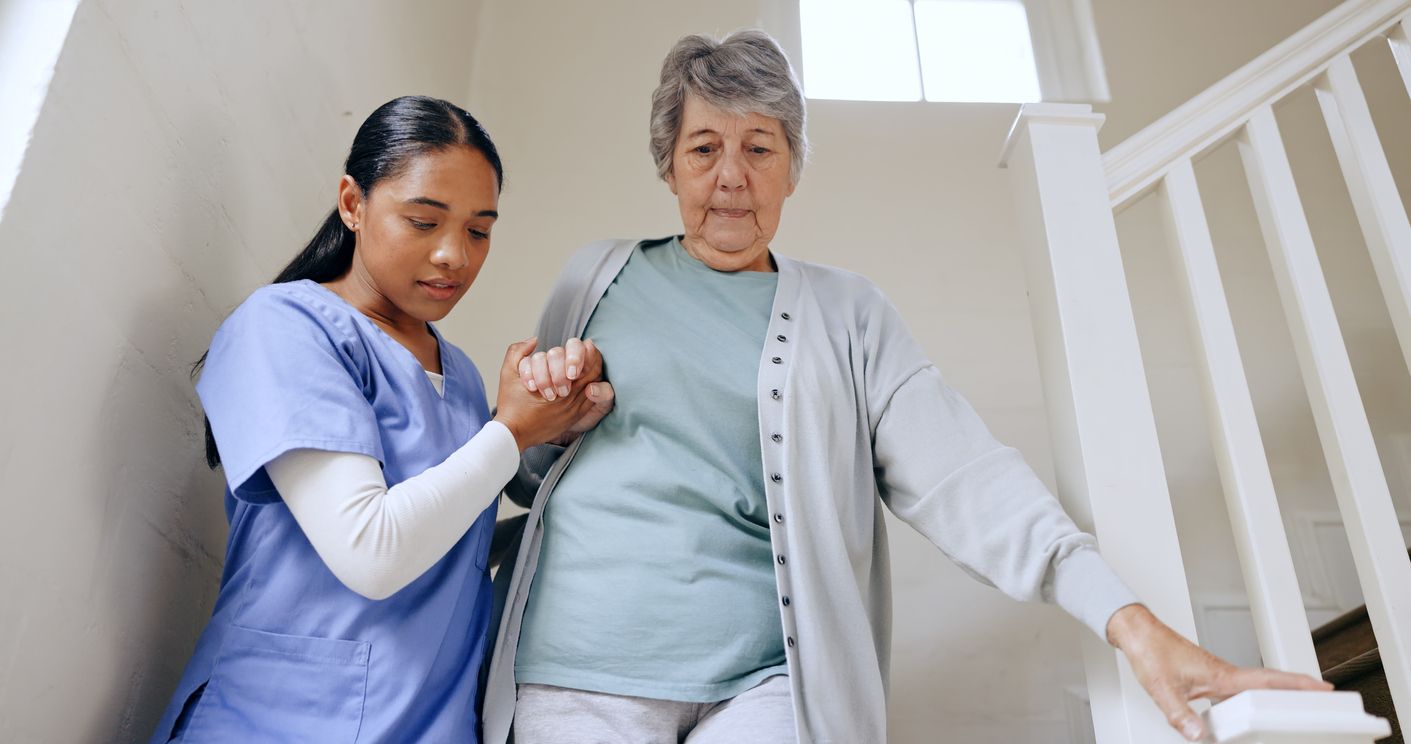
Nursing Care For Stroke Patients At Home
Taking care of someone after a stroke can feel overwhelming. You want to help your loved one get better, but you might not know where to start. Nursing care for stroke patients at home can make a huge difference.
Home nursing care gives your family member the medical support they need while staying in familiar surroundings. This guide will help you understand what home nursing care involves, how to find the right help, and whether it’ll be covered by insurance.
Caring for your loved one who has had a stroke is an important job. Check if you have free access to Trualta for resources, caregiver support groups, and more.
What Is Nursing Care for Stroke Patients At Home?
Nursing care for a stroke patient at home means having trained medical professionals come to your house to help care for your loved one. These nurses have special training in helping with personalized care and stroke rehabilitation.
Home nurses can be a:
- Registered nurse (RN): Has the most training, can give medications, and do complex medical tasks.
- Licensed practical nurse (LPN): Can give basic medical care and help with daily activities.
- Home health aide: Can help with personal care like bathing, dressing, and eating.
The type of nurse your loved one needs depends on their health needs and their doctor’s recommendations.
Why Choose Nursing Care At Home Instead Of A Facility?
Many families wonder if their loved one should stay in a rehabilitation center, nursing home, or come home.
While every situation is different, home nursing care offers special benefits:
- Comfort & Familiarity. Being at home can help your care recipient feel less confused and scared.
- Personal Attention. In the comfort of home, the home care provider’s attention is devoted entirely to your loved one, rather than divided among many patients.
- Family Involvement. You can learn how to confidently help with exercises, give medications, and provide daily care.
- Lower Infection Risk. Staying home means fewer trips to hospitals and medical facilities, which reduces exposure to germs and infections.
- Cost Savings. As of 2024, the national median cost for in-home care services stands at approximately $30 per hour, which can be more affordable than extended facility stays.
- Privacy. Your loved one can get the medical care they need in the comfort of their own home.
What Does Home Nursing Care Include?
Nursing care for stroke patients at home covers many different areas. Here’s what a healthcare professional typically helps with:
Medical Care
- Giving medications on time and in the right amounts
- Checking blood pressure, heart rate, and temperature
- Watching for signs of complications or new problems
- Communicating with doctors about any changes
- Managing medical equipment, if needed
Daily Living Activities
- Helping with bathing, grooming, and getting dressed
- Assisting with meals and making sure nutrition needs are met
- Helping with bathroom needs safely
- Supporting safe movement around the house
Therapy Support
- Helping with exercises prescribed by physical therapists
- Supporting speech therapy activities
- Encouraging cognitive exercises to help with thinking and memory
- Working with other therapy professionals, such as an occupational therapist
Family Education
- Teaching family members how to provide safe care
- Showing you how to help with transfers and movement
- Explaining warning signs to watch for
- Providing emotional support and guidance
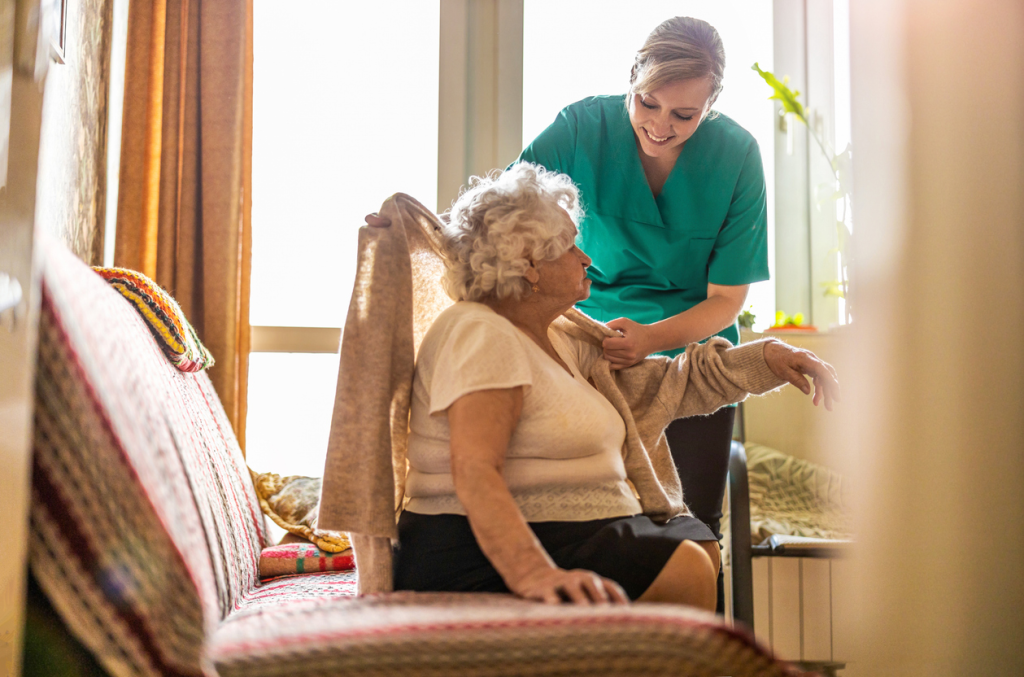
5 Key Areas Of Home Nursing Care
1. Medication Management
After a stroke, your loved one likely takes several medicines. These might include:
- Blood thinners to prevent clots
- Blood pressure medications
- Cholesterol medications
- Other medicines for specific health problems
How the healthcare worker helps with medications:
- Set up pill organizers for each day of the week
- Give medications at the right times
- Watch for side effects like dizziness, nausea, or unusual tiredness
- Keep track of when medicines need to be refilled
- Report any problems to the doctor right away
Missing doses or taking the wrong amounts can be dangerous, so having a healthcare professional manage medications provides peace of mind.
2. Mobility & Safety Support
Many people have trouble moving after a stroke. One side of the body might be weak, or balance might be poor.
How a home care provider helps with movement:
- Assist with getting in and out of bed safely
- Help with walking or using walkers and wheelchairs
- Guide gentle exercises to prevent muscles from getting stiff
- Show family members how to help without getting hurt
- Make sure the house is set up safely to prevent falls
Fall prevention is important because falls can cause serious injuries and set back recovery.
3. Health Monitoring & Preventing Problems
Even small health changes can be serious for stroke survivors. Healthcare workers are trained to spot problems early.
What nurses watch for:
- Signs of infection, like fever, redness, or swelling
- Pressure sores from sitting or lying in one position for too long
- New stroke symptoms like sudden weakness, confusion, or trouble speaking
- Changes in appetite or weight loss
- Mood changes that might signal depression
Taking quick action when problems are noticed can prevent serious complications.
4. Nutrition & Swallowing Support
Some people have trouble swallowing safely after a stroke. This is called dysphagia, and it can be dangerous if food or liquids go into the lungs.
How nurses help with eating:
- Work with speech therapists to improve swallowing
- Prepare foods in the right texture (soft, chopped, or pureed)
- Make sure your loved one sits up properly while eating
- Monitor for signs of choking or aspiration
- Track weight and nutrition to prevent malnutrition
- Ensure adequate fluid intake to prevent dehydration
Proper nutrition is essential for brain healing and overall recovery.
5. Emotional & Mental Health Support
Recovery from stroke affects more than just physical abilities. Many people feel sad, frustrated, or worried about the future.
How home health care services support emotional health:
- Recognize signs of depression or anxiety
- Encourage conversation and social activities
- Support participation in hobbies or interests
- Help connect families with counseling or a support group
- Provide emotional support during difficult days

A Typical Day With Home Nursing Care
Every situation will be unique depending on the person’s treatment care plan. Here’s what a typical day might look like with home care for your stroke survivor:
Morning (8:00 AM – 12:00 PM)
- Nurse arrives and checks vital signs (blood pressure, heart rate, temperature)
- Reviews how the night went and any concerns
- Helps with getting dressed and personal hygiene
- Gives morning medications
- Assists with breakfast, making sure food is the right texture
- Guides morning exercises or stretching
- Documents everything in care notes
Afternoon (12:00 PM – 4:00 PM)
- Helps with lunch and ensures proper nutrition
- Assists with any therapy exercises
- Monitors for any changes in condition
- Helps with bathroom needs
- Encourages social activities like phone calls with family
- Provides rest time as needed
- Continues monitoring and documentation
Evening (4:00 PM – 8:00 PM)
- Assists with dinner preparation and eating
- Gives evening medications
- Helps with personal care before bed
- Reviews the day with family members
- Plans for overnight care if needed
- Updates the care plan based on the day’s observations
The schedule can be adjusted based on your loved one’s needs and energy levels.
Types Of Home Nursing Care Schedules
Stroke home care services can be provided on a part-time basis (typically 12 hours a day shift), in shifts, overnight, and on a full-time basis.
Part-Time Care
- 4-8 hours per day
- Good for people who need some help but can manage some tasks alone
- Often covers morning or evening routines
- Family members provide care during other times
Full-Time Care
- 8-12 hours per day or more
- For people who need constant supervision
- Nurses work in shifts to provide continuous care
- More expensive but provides complete support
Overnight Care
- Covers evening and night hours
- Helps with bathroom needs during the night
- Provides safety monitoring while the family sleeps
- Good for people who get confused at night
- Temporary care to give family caregivers a break
- Can be a few hours or several days
- Allows family members to rest, run errands, or take vacations
- Important for preventing caregiver burnout
How To Choose The Right Home Nursing Service
Finding good nursing care for stroke patients at home requires research and asking the right questions.
Questions To Ask Potential Nursing Services
About Experience & Training:
- How much experience do your nurses have with stroke patients?
- What special training do they have in stroke care?
- Are they trained to help with swallowing problems?
- Do they understand how to help with speech and physical therapy exercises?
About Medical Care:
- How do you manage medications safely?
- What do you do if there’s a medical emergency?
- How quickly can you respond to problems?
- How do you communicate with doctors and other healthcare providers?
About Safety:
- What safety measures do you use to prevent falls?
- How do you monitor for signs of complications?
- What infection control steps do you follow?
About Communication:
- How will you keep the family updated on care?
- How do you handle changes in the care plan?
- What happens if the regular nurse is sick or unavailable?
- How do you coordinate with other healthcare providers?
About Costs & Insurance:
- What services are covered by insurance?
- What are the costs for additional services?
- How do you handle billing and insurance claims?
- Are there any hidden fees?
Red Flags To Watch For:
- Nurses who seem rushed or uninterested
- Services that won’t provide references
- Companies that pressure you to sign contracts quickly
- Nurses who don’t follow safety procedures
- Poor communication with family or healthcare providers

Working With Insurance & Managing Costs
Understanding the costs of home health care helps you plan and budget effectively.
Insurance Coverage
- Medicare: May cover home health services if:
- Your loved one is homebound
- They need skilled nursing care
- A doctor orders the services
- The care is provided by a Medicare-approved agency
- Medicaid: Coverage varies by state but may include home health services for eligible individuals.
- Private Insurance: Coverage depends on your specific policy. Check with your insurance company about:
- What home health services are covered
- How many hours or days are allowed
- If you need pre-approval
- What your out-of-pocket costs will be
Tips For Managing Costs:
|
Key Takeaways
- Home nursing care provides medical and daily living support from trained professionals in a familiar setting.
- Benefits include comfort, personal attention, family involvement, lower infection risk, privacy, and cost savings.
- Key care areas: medication management, mobility and safety, health monitoring, nutrition and swallowing, emotional support.
- Flexible options: part-time, full-time, overnight, or respite care.
- Choose providers carefully: Ask about stroke experience, safety, communication, and insurance coverage.
- Medicare, Medicaid, private insurance, and community resources may help with costs.
- Caregiver support and respite are essential to prevent burnout.
References:
- Genworth Financial. (2024). Cost of Long Term Care By State.
- Centers for Medicare & Medicaid Services. (2024). Home Health Services.
- Bakas, T., Clark, P. C., Kelly-Hayes, M., King, R. B., Lutz, B. J., & Miller, E. L. (2014). Evidence for stroke family caregiver and dyad interventions: A statement for healthcare professionals from the American Heart Association and American Stroke Association. Stroke, 45(9), 2836–2852.
- Centers for Disease Control and Prevention. (2024). STEADI – Older Adult Fall Prevention.
- American Stroke Association. (n.d.). Trouble swallowing after stroke (dysphagia).
- Winstein, C. J., Stein, J., Arena, R., Bates, B., Cherney, L. R., Cramer, S. C., … & Zorowitz, R. D. (2016). Guidelines for adult stroke rehabilitation and recovery. Stroke, 47(6), e98-e169.


