Are Strokes Genetic? Facts For Caregivers
Every 40 seconds, someone in the United States has a stroke. If someone in your family has had a stroke, you might be wondering: “Are strokes genetic? Will I have one too? What about my children?”
These are scary questions, but understanding the truth about genetic factors and stroke can help you protect yourself and your loved ones. This guide will explain how family history affects increased stroke risk and, most importantly, what you can do about it.
Are you interested in learning more about stroke and caregiving for a loved one who has had one? Check if you have free access to Trualta.
What Is A Stroke?
Before we talk about genetics, let’s understand what a stroke is. A stroke happens when blood flow to part of the brain stops or is reduced. Without blood and oxygen, brain cells start to die quickly. This can cause lasting brain damage, disability, or death.
There are three main subtypes of strokes:
- Ischemic Stroke: The most common type (87% of strokes are this type). A blood clot blocks a blood vessel going to the brain. This is often related to atherosclerosis (plaque buildup in the arteries).
- Hemorrhagic Stroke: A blood vessel in the brain breaks and bleeds. It’s less common but often more serious.
- Transient Ischemic Attack (TIA): A “mini-stroke” with temporary symptoms, but a serious warning sign that a larger stroke may happen soon. These are sometimes called stroke like episodes because the symptoms appear briefly and then go away.
Are Strokes Genetic?
Yes, sometimes strokes can be genetic, but it’s complicated.
Your genes can make you more likely to have a stroke, but having “stroke genes” doesn’t mean you will definitely have one. Research shows that a family history of stroke increases your risk by about 30%, but most strokes happen because of a combination of lifestyle and genetic factors.
Here’s the good news: Even if strokes run in your family, there’s still a lot you can do to prevent them.
How Do Genetics Affect Stroke Risk?
Research shows 15-52% of stroke patients have a family member who has also had a stroke. This happens because they may inherit conditions that increase stroke risk or, in some cases, rare variants that affect blood clotting, cholesterol levels, or other processes in the body.
Inherited Health Conditions
- High Blood Pressure: One of the biggest stroke risk factors that often runs in families
- High Cholesterol: Genetic mutations can cause high cholesterol levels
- Heart Disease & Heart Problems: Irregular heartbeat and some heart defects can be inherited
- Blood Clot Disorders: Some conditions make blood more likely to form dangerous clots
- Diabetes: Type 2 diabetes often runs in families
Family History: What You Need To Know
If you have a first-degree relative (parent, sibling, or child) who has had a stroke, your risk may increase by up to 30%. Your risk increases even more when family members have had strokes at a younger age or when multiple relatives have had strokes.
What Counts As Family History?
- Parents, siblings, and children (most important)
- Grandparents, aunts, uncles, and cousins
- The age at which family members had strokes
- What type of stroke they had
Why Family History Matters: Families share more than just genes. They also often share eating habits, activity levels, smoking patterns, and stress levels. This means some “genetic risk factors” might actually be lifestyle factors that can be changed.
Creating A Family Health History
Knowing your family’s health history helps you understand stroke risk:
Information To Collect
- What health conditions family members have
- At what age they developed each condition
- Their lifestyle habits
- Cause of death, if applicable
How To Gather Information
- Talk to older adults in the family
- Look through family documents or medical records
- Ask about both sides of the family
- Write everything down
Share this information with healthcare providers to help them understand your risk and create prevention plans.
When Genetic Testing Might Be Helpful
Your doctor might suggest testing if you have indicators of genetic variants, including:
- Several family members had strokes at young ages (under 50)
- You had a stroke without any clear cause
- Your doctor suspects a specific inherited condition
- You have unusual symptoms or test results
When Genetic Testing Isn’t Necessary
For most people, a genetic test for stroke risk isn’t needed. Instead, doctors focus on:
- Monitoring blood pressure regularly
- Checking cholesterol levels
- Screening for diabetes and other chronic conditions
- Assessing overall cardiovascular health and vascular risk factors
These measures help identify and manage conditions like vascular disease, coronary artery disease, and other cardiovascular diseases, which are more common and often more important to address than stroke genetics. They’re also easier, less expensive, and provide more useful information for most people.

Other Risk Factors For Stroke
Even without family history, you can still be at risk. You may have one or multiple risk factors present. Many stroke risk factors have nothing to do with genetics, and some are linked to inflammation, which can damage blood vessels and increase the chance of clots forming.
Controllable Risk Factors
- Smoking
- Poor diet (too much salt, sugar, processed food)
- Lack of exercise
- Excessive alcohol use
- Obesity
- Uncontrolled diabetes or high blood pressure
Non-Controllable Risk Factors
- Age: Risk increases significantly after age 55
- Sex: Men have a slightly higher risk, but women’s risk increases after menopause
- Race and ethnicity: African Americans, Hispanic Americans, and some Asian populations have a higher stroke risk
- Previous stroke or TIA: Having one stroke increases the risk of another
Prevention Strategies For Caregivers
If you’re caring for someone with family history of stroke, or have a genetic factor yourself, focus on stroke prevention:
Medical Prevention
- Schedule regular check-ups and discuss family history
- Monitor blood pressure, cholesterol, and blood sugar regularly
- Take prescribed medications exactly as directed
- Ask about earlier or more frequent screenings
Lifestyle Stroke Prevention
- Heart-Healthy Diet: Eat lots of fruits, vegetables, whole grains, lean proteins, and healthy fats. Limit salt, sugar, saturated fats, and processed foods.
- Regular Exercise: At least 30 minutes most days. Walking, swimming, dancing, or gardening all count.
- Quit Smoking: One of the best things anyone can do to prevent stroke.
- Limit Alcohol: No more than 1 drink daily for women, 2 for men.
- Manage Stress: Find healthy coping methods through exercise, counseling, or support groups.
Myths & Facts About Genetic Strokes
Myth: If strokes run in my family, I will definitely have one.
Fact: Family history increases risk but doesn’t make stroke inevitable.
Myth: There’s nothing I can do if I have a genetic predisposition for a stroke.
Fact: Lifestyle factor changes can greatly reduce your risk, even with a strong family history.
Myth: Only older adults get strokes.
Fact: Strokes can happen at any age, especially with family history.
Myth: Mini-strokes (TIAs) aren’t serious stroke cases.
Fact: TIAs are warning signs that a larger stroke might be coming soon. You should always take them seriously.
Warning Signs: Know When To Act
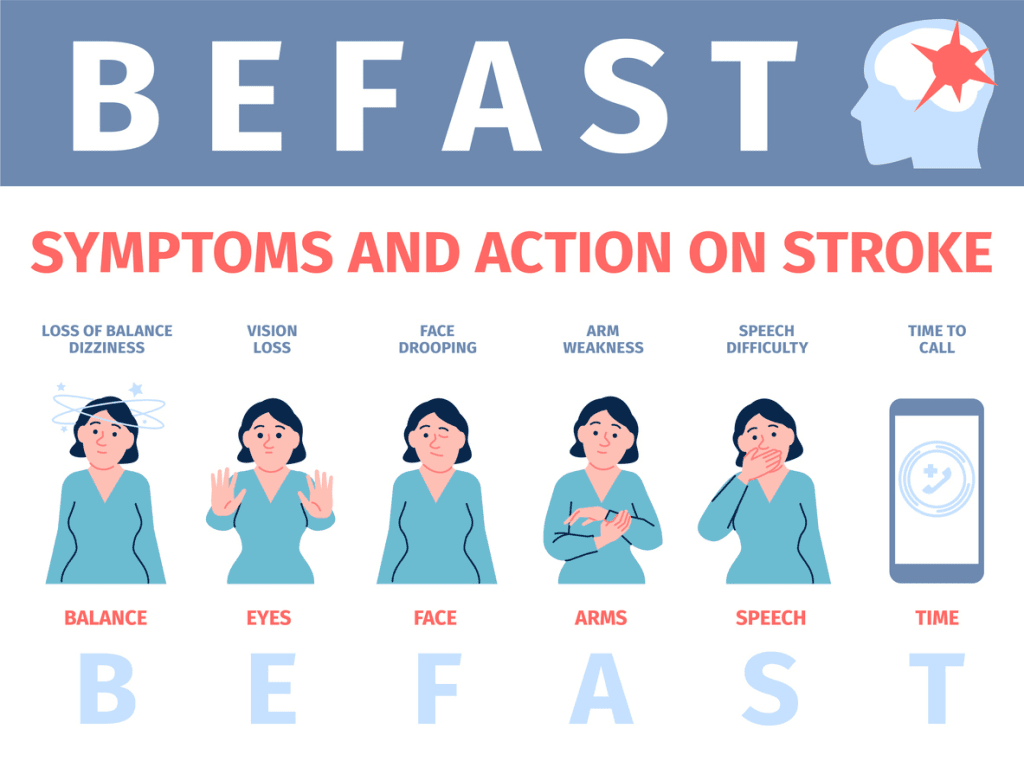
Everyone should know stroke warning signs. Use the BE FAST test:
- B – Balance: Are they having trouble balancing? Are they dizzy?
- E – Eyes: Are they experiencing vision loss?
- F – Face: Does one side droop? Is the smile uneven?
- A – Arms: Does one arm drift downward when both are raised?
- S – Speech: Is speech slurred when repeating a phrase?
- T – Time: If you see any signs, call 911 immediately.
Other Warning Signs
- Sudden confusion or trouble understanding
- Sudden severe headache
- Sudden numbness, especially on one side
Remember: Even if symptoms improve, you should still call 911. They could be experiencing a TIA (mini-stroke). TIAs can be a warning sign that a larger stroke might be coming.
The Bottom Line
Are strokes genetic? Yes, genetics can play a role in stroke risk. But having a family history doesn’t mean you’re powerless.
Most important points to remember:
- Genetics is only part of the story
- You have more disease control than you think
- Prevention for stroke and recurrent stroke works, even with a strong family history
- Early action makes a difference
- You’re not alone and help is available
Your genes may increase risk, but your lifestyle choices can dramatically reduce it. Every healthy choice you make moves you further from a stroke and closer to a healthy future.
The most important thing? Start today. Whether you schedule a check-up, take a daily walk, or improve your diet, every step toward stroke prevention matters.
Looking to learn more about caregiving for someone who has experienced a stroke? Check if you have free access to Trualta’s library of caregiving resources.
References:
- Centers for Disease Control and Prevention (CDC). (2024). Stroke facts.
- Mayo Clinic. (2023). Stroke.
- National Institute of Neurological Disorders and Stroke (NINDS). (2023). CADASIL.
- Heywood, A. L. (2023, July 6). Strokes and Genetics: Inherited Disorders and Risk Factors. Healthline.
- Seshadri, S., Beiser, A., Pikula, A., Himali, J. J., Kelly-Hayes, M., Debette, S., … & Wolf, P. A. (2010). Parental occurrence of stroke and risk of stroke in their children: the Framingham study. Circulation, 121(11), 1304-1312.
- Kleindorfer, D. O., Towfighi, A., Chaturvedi, S., Cockroft, K. M., Gutierrez, J., Lombardi-Hill, D., … & Turan, T. N. (2021). 2021 guideline for the prevention of stroke in patients with stroke and transient ischemic attack: a guideline from the American Heart Association/American Stroke Association. Stroke, 52(7), e364-e467.