Driving After A Stroke: Who Decides?
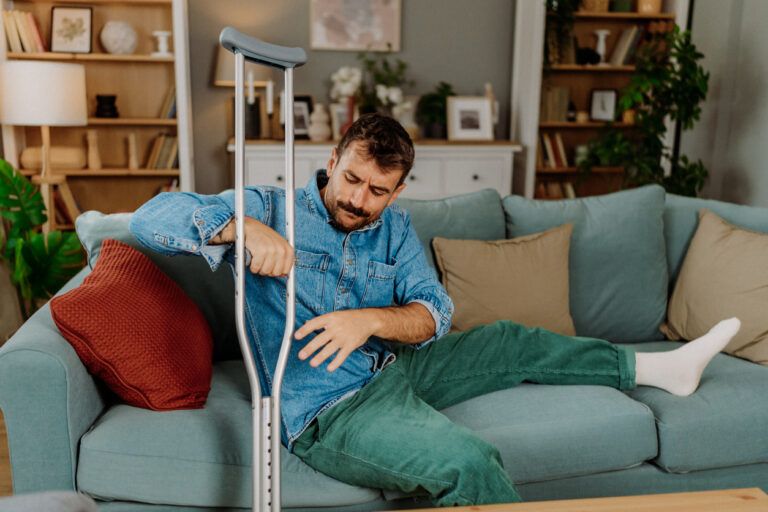
A stroke can change how someone moves, thinks, and exists in the world. Completing tasks independently is a common goal for most stroke survivors, which includes being able to dress themselves, work, and drive.
Returning to driving is an exciting and overwhelming part of stroke rehabilitation for stroke survivors and their loved ones. In this article, we’ll explore the process for returning to driving for a stroke survivor.
For more resources about post-stroke care, or to talk to other stroke caregivers, check if you have free access to Trualta.
How Strokes Affect Driving Ability
The ability to drive is a major source of independence for most people. Having this privilege taken away can have a devastating effect. Stroke survivors can feel sad, helpless, and like they are a burden on others.
A stroke can cause many challenges that lead to unsafe driving, including:
- Double vision affects the ability to see signs, traffic lights, people, and other cars.
- A visual field cut makes merging or seeing other cars on the road hard.
- Impaired sensation and movement in the leg and foot make it difficult to feel the brake and gas pedals.
- Impaired arm strength and mobility make it difficult to safely manage the steering wheel and gears.
- Cognitive changes may lead to delayed reaction time or impaired judgment on the road.
Driving after a stroke may be possible, but it depends on how serious the stroke was and which part of the brain was affected. If your loved one wants to drive again and it seems like it might be safe, it’s important to go through the proper steps first. This helps make sure they can return to driving safely, without putting themselves or others at risk.
The Return To Driving Process
Getting back to driving after a stroke can be a complicated process with many steps. Each state has its own rules about driving after a medical event, including when a license may be taken away. Before talking with doctors, it’s a good idea to first check your state’s rules. This way, you’ll know what to expect before starting the process.
Step 1: No Driving Immediately After Stroke
After a stroke, it’s best to avoid driving for at least a few weeks to allow time for healing and recovery. Your loved one’s doctor will let you know how long they should wait before it’s safe to think about driving again.
Step 2: Discussion With Healthcare Professionals
The next step is to talk with healthcare professionals about whether it’s safe to return to driving.
- If the stroke caused mild problems, the doctor may give clearance to drive without extra tests.
- If there are moderate to serious issues, such as weakness in the leg, vision problems, or trouble with memory and thinking, your loved one may need further testing from therapists or other specialists.
Step 3: Informal Driving Assessments
Occupational, speech, and physical therapists may perform informal driving assessments during their sessions while your loved one is undergoing stroke rehabilitation. These results give your doctor information that helps them decide if driving is safe. For example:
Physical therapists may assess things like:
- Strength, range of motion, and sensation in the right foot and ankle, which are used for stepping on the gas and brake.
- Walking speed to assess the risk of falls and the ability to safely get to a car.
- Reaction time of the right leg (to simulate sudden stopping).
Occupational therapists may complete assessments looking at:
- Ability to maintain attention to a task.
- Visual acuity and visual field tests to ensure clear vision and rule out a visual field cut.
- Range of motion and strength of the arm and hand to assess the ability to steer the car.
- Coordination skills and fine motor tasks.
- Assessments looking at general cognition
- Processing speed to assess how quickly someone can react (like if they had to stop suddenly)
- Memory to ensure they can remember signs they just saw or speed limits.
- Executive functioning to determine if they know where they’re going, or problem solving ability if there is a detour on the road.
Step 4: Formal Driving Evaluation
If the informal driving assessments are challenging for your loved one, your healthcare team may recommend a formal driving evaluation at a driver rehabilitation program. In this program, professionals take people through the formal rehabilitation process of returning to driving.
The driving rehabilitation team often includes:
- Occupational therapists
- Rehab engineers
- Certified driving rehab specialist
The process usually involves two steps:
- First, a specialized occupational therapist assesses vision, motor function, and perception.
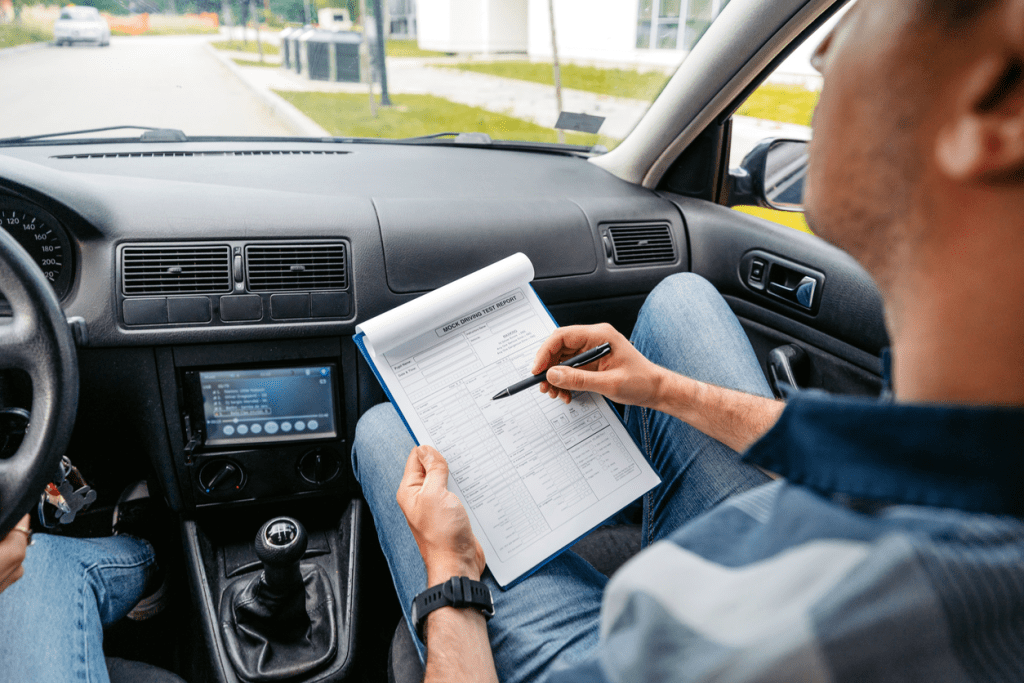
- Second is the behind-the-wheel assessment, which assesses the person’s ability to operate a vehicle safely.
After the driving assessment, the driving rehabilitation team may recommend any of the following:
- Full return to driving
- Driving with restrictions or with adaptations to the car
- Additional practice and rehabilitation before returning to driving
- Driving retirement
Driver Rehabilitation Programs are offered at different locations in the community, including:
- Rehabilitation hospitals
- Large hospital systems
- Your state’s Department of Motor Vehicles (DMV)
To find a driving rehab program in your state, visit the American Occupational Therapy Association website and use its search feature to find one near you.
Step 5: License Reinstated
The results of the assessments are sent back to the physician. It’s ultimately always up to the physician to clear someone to return to driving. Depending on the state your care recipient lives in, their physician may need to report their driving clearance to the state Department of Motor Vehicles. Check with your local DMV to learn the restrictions and rules around license reinstatement after a stroke.
Car Adaptations
In some cases, a rehabilitation engineer may recommend a vehicle modification for an individual to allow them to operate the vehicle in a new way.
Here are some examples of car adaptations:
- Left foot accelerator. If a stroke has left your loved one with right leg weakness or impaired sensation, pedals may be able to be installed on the left side so they can use their unaffected leg to brake and accelerate the car.
- Steering assist. A knob can be added to the steering wheel to allow someone with hemiplegia to turn the steering wheel.
- Hand controls can be added to allow someone to use a lever with their hands to accelerate and brake.
- Swivel seats can be installed to make the entry and exit from the car easier.
- Seat belt adaptations can be made to allow someone with hemiplegia to easily put on and take off a seat belt with one hand.
There are also various adaptive aids on the market that can help your loved one get into and out of the car.
A Caregiver’s Role In Return To Driving
It’s an exciting and nerve-wracking day if and when your loved one returns to driving after a stroke. As a caregiver, you must stay vigilant for any indication of danger as they return to driving.
Here are some concerning signs to look out for to ensure driver safety:
- Failing to see or follow traffic lights or signs
- Getting lost often
- “Close calls” of the driver not seeing a car, almost causing an accident, or other “near miss” events on the road
- Slowly drifting to the neighboring lane without realizing
If the stroke survivor demonstrates any of these warning signs, it’s important to talk to their doctor for additional guidance and support.
Key Takeaways
Returning to driving is a step towards independence and confidence for the stroke survivor. To ensure your loved one does so safely, you should know your state’s regulatory laws and reach out to your physician, who can guide you further. By undergoing the proper process of returning to driving, your loved one can get the appropriate assessments and rehabilitation they need.
References
- AARP. (2024). Driving after a stroke.
- Creative Mobility Group. (n.d.). Driving & Disabilities: Driving After Stroke.
- Northwestern Medicine. (n.d.). Driver rehabilitation program.
- Shirley Ryan AbilityLab. (n.d.). Drivers Rehabilitation Programs in Chicago Area.
- Stroke Association. (2022). Let’s Talk About Driving After Stroke
- Stroke Association. (2024). Driving after stroke.