Where To Find Free Cancer Caregiver Support
Caregivers play an important role in the healthcare community. They provide home care, often for family members, and help keep patients, elderly people, and people with disabilities safe and well.
If you are a cancer caregiver for a family member, you might be responsible for light medical care, emotional support, household chores, transportation to treatments, and more. It can be rewarding to take on this loving and caring role, but it can also be challenging.
As a cancer caregiver, you also deserve support. Good support helps you stay well and able to give your care recipient the best care. Here, we explain:
- Why you need support
- Types of support you can benefit from
- Where to find free resources
For more information and to connect with other caregivers, check if you have free access to Trualta.
Why Do Cancer Caregivers Need Support?
Caregiving is an important role in families, healthcare facilities, and society in general. Caregivers provide support and care to vulnerable people, including older adults, people with disabilities, and those who have serious illnesses.
Providing care can be very rewarding, especially if you’re caring for someone you love. It can also be difficult, stressful, and, sometimes, scary. Caring for someone with cancer has particular challenges:
- Lack of Knowledge. Cancer caregivers are sometimes unprepared for their role. They don’t have the practical knowledge for giving the best care.
- Emotional Distress. It’s distressing and scary to watch a person you care for struggle with such a serious illness and its treatment, especially if it’s terminal.
- Stress and Burnout. Caregiving requires a lot of time and effort. The physical and emotional demands can be overwhelming and can lead to burnout. Burnout can happen if you don’t have good emotional support.
- Financial Burden. Cancer treatment is expensive. If you’re caring for a family member with cancer, you might be partly or completely responsible for treatment costs.
- Isolation. Caregivers risk becoming isolated as they spend so much time with their care recipient. It can be difficult to deal with the challenges of cancer caregiving if you don’t have the support of someone else who understands your role.
Good support is important for keeping caregivers healthy. Support can look different for each person. It can be respite care to give you a break, a support group to share your experiences, or family and friends to rely on.
Free Sources Of Support For Cancer Caregivers
Getting the cancer support you and your care recipient need shouldn’t mean adding more financial stress. While not all services are free, especially professional treatment, there are plenty of types of support you can use at no cost.
Friends & Family
Many caregivers might find cancer support in their family and friends. Family caregivers often share responsibilities, but usually one person is in charge of managing all of the caregiving. Having a support network you can rely on relieves a lot of the stress and burden of cancer caregiving.
If you don’t have a network like this, reach out to family and friends to ask for help and support. Their support can look different depending on what each person is able or willing to do:
- Share the direct caregiving responsibilities by taking on shifts or letting someone else step in when you need a break.
- Help with responsibilities outside direct caregiving, such as household chores, cooking, shopping, or child care.
- Spend time with you, allowing you to share some of your concerns and difficult feelings in a safe space.
- Provide last-minute help, like transportation to treatment appointments, in case of an emergency.
Not everyone is willing to lend a hand, but ask anyway. You might be surprised at how many people are willing to step up once they know you’ve been struggling.
Caregiver Support Groups
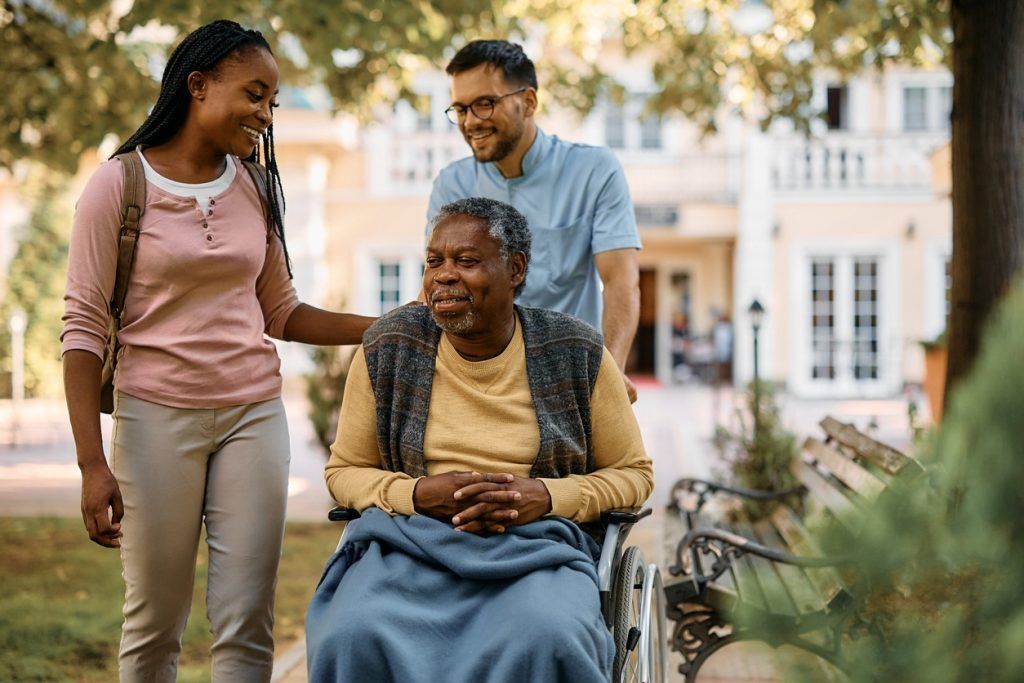
Providing home care for a care recipient can be very lonely, especially if you don’t have a lot of family helping. Being able to talk to peers and other cancer caregivers is a powerful way to feel less alone.
Support groups also provide emotional support and help people feel understood. They give you a safe space to share your difficult feelings without judgment. Peer support groups are great for learning more about caregiving and cancer treatments. Come to your peers with problems and challenges, and they can share their own experiences and what they’ve learned.
Luckily, most caregiver support groups are free to join. You should be able to find in-person support groups, including some specifically for cancer caregivers. You can find them at local community centers, churches, and other religious organizations. Hospitals and cancer centers also usually run free support groups for patients, family, and caregivers. Talk to your care recipient’s care team for information and recommendations.
Another option is to join online cancer support groups, which meet virtually. Online cancer support groups are a great option if you don’t have many nearby in-person groups or are too busy to attend in-person meetings. Many large organizations list or run these online support groups. Check with groups like the American Cancer Society and the National Cancer Institute.
Government Resources For Caregiver Support
Some organizations, like CancerCare, offer support for cancer patients and caregivers through government funding. You may also be able to get free government support more directly. For example, if your care recipient is a veteran, you may be able to get financial caregiver support through the U.S. Department of Veterans Affairs (VA).
Medicaid is another government-based financial assistance program for caregivers. If your care recipient qualifies for Medicaid, you might be able to become a paid caregiver through this state-run federal program.
State government agencies are also good sources of support for family caregivers. Contact your state’s health or human services department to find out what is available and if you can get services.
Many states, for example, have a state respite coalition. These are groups of organizations and state agencies that help families find and pay for respite care. Respite care is often funded through vouchers, grants, volunteers, or stipends and provides families with low-cost or free options.
National Organizations With Free Cancer Support Resources
Many national groups, some with state or local chapters, provide support or share support resources for caregivers. Here are some ideas of groups to contact and explore for potential free resources.
- American Cancer Society. The American Cancer Society provides many free resources to support cancer caregivers. These include a complete resource guide, a caregiver support video library, online support communities, and ACS CARES. CARES is an app that helps you connect with others for one-on-one support.
- Caregiver Action Network. Although not specifically for cancer care, the Caregiver Action Network has plenty of resources for all types of caregivers. Resources include free caregiving information, legal and financial tools, and free peer support, available 24 hours a day and seven days a week.
- ARCH National Respite Network. Respite care is temporary care for a care recipient that allows the caregiver to take time off. It could be for a few hours, a few days, or even a week or more. ARCH provides valuable information about finding respite care, including ways to pay for it and opportunities for partially paid for or free respite.
- Cancer Support Community. The Cancer Support Community provides many resources and a lot of cancer information online for patients, cancer survivors, and their caregivers. Local affiliates of the group are known as Gilda’s Club. Your local affiliate offers a nearby community of support, with support group meetings, social gatherings, and educational opportunities.
- CancerCare. CancerCare offers free support to caregivers in certain areas. These include counseling with clinical oncology social workers, in-person and online support groups, and education workshops to learn about cancer, its treatments, and caregiving.
- Imerman Angels. Imerman Angels is a cancer support community for patients, families, and caregivers. You can get free one-on-one support through this organization by requesting a mentor. You can also give back by being a mentor.
- CaringBridge. CaringBridge is a unique nonprofit organization for supports patients and caregivers. It allows you to create an online communication platform where you can coordinate care, communicate with family and caregivers, and document your care recipient’s health journey. People who use this free service report feeling more connected with their support networks.
- Family Caregiver Alliance. The Family Caregiver Alliance supports caregivers with resources and information. It also connects caregivers so that they can benefit from peer support. The FCA can help you find additional resources and free support depending on where you live.
Caring for a care recipient going through cancer treatments is a rewarding and loving task. It’s also a difficult role. It can be scary, sad, stressful, and even overwhelming. Caregivers without support risk burning out and suffering poor physical and mental health. Support doesn’t have to add to your financial burden. Use these ideas for free or low-cost support to ensure you stay well and can give your care recipient the best possible care.
References
- American Cancer Society. (n.d.). Cancer caregiving.
- Cancer Support Community. (n.d.). Caregivers.
- CancerCare. (n.d.). CancerCare.
- Caregiver Action Network. (n.d.). Asking for help as caregiver.
- Caregiver.org. (n.d.). Caregiver.org.
- Fred Hutchinson Cancer Center. (2023, November). The challenges of cancer caregiving.
- ARCH National Respite Network & Resource Center. (n.d.). Respite locator.
- Imerman Angels. (n.d.). Imerman Angels.
- CaringBridge. (n.d.). CaringBridge.