Common Responsibilities In A Caregiver Job Description
Thinking about a career as a caregiver? With demand for compassionate professionals on the rise, now is the perfect time to explore caregiving opportunities. Whether you’re new to the field or seeking a clearer picture of this vital role, understanding the core caregiver job responsibilities can help you determine if this rewarding path is right for you.
In this guide, we’ll:
- Break down the key responsibilities caregivers handle daily
- Explain how to prepare for the demands of this meaningful career
Are you interested in learning more about caregiver duties? Check if you have free access to Trualta’s training library.
What Does A Caregiver Do?
Caregivers provide essential support—physically, emotionally, and sometimes medically—to individuals who need assistance with activities of daily living. Whether working in private homes, assisted living facilities, or through a home care agency, their role is pivotal in ensuring care recipients live with dignity, comfort, and safety.
Key Responsibilities In A Caregiver Job Description
While every caregiving role varies depending on the individual’s unique needs, certain caregiver responsibilities are universal across the profession.
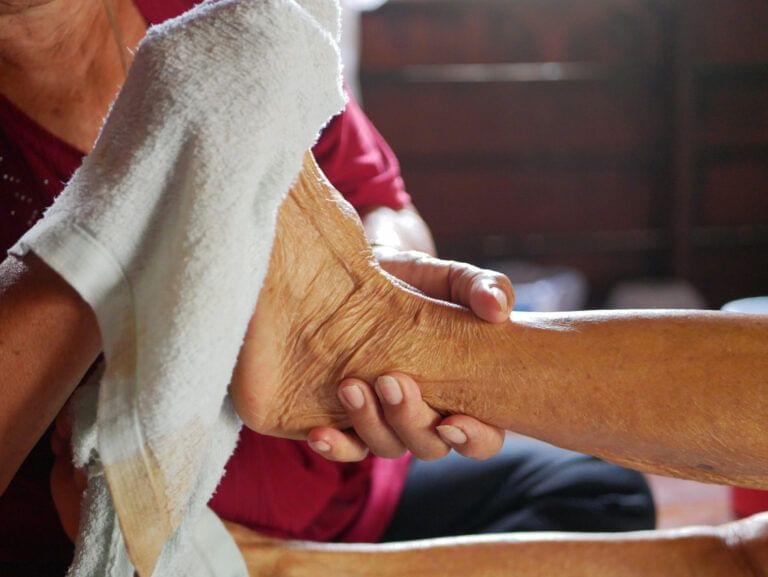
1. Assisting with Personal Care
Caregivers are crucial in helping care recipients maintain their hygiene and dignity. These tasks often require patience, attentiveness, and compassion, as personal care can be deeply personal and sensitive.
Here’s a closer look at what personal care entails:
- Bathing and grooming
- Helping with dressing and undressing
- Toileting and incontinence care
- Oral hygiene assistance
These daily tasks can be challenging, but they’re essential in helping your care recipient feel their best, maintaining their independence wherever possible, and promoting overall well-being.
2. Managing Medications
Staying on top of medication routines is essential for a person’s health and well-being. Depending on your training level, your caregiver role may include reminding, assisting, or even administering medications.
Medication support may consist of:
- Providing medication reminders
- Administering prescribed medications (if certified)
- Monitoring side effects or unusual reactions
Staying on top of medication schedules ensures care recipients maintain their health and well-being. Supporting medication adherence ensures care recipients stay healthy, avoid complications, and follow their prescribed treatments effectively.
3. Preparing Meals & Ensuring Proper Nutrition
Nutritious meals are essential for maintaining health and energy levels, and caregivers often play a key role in meal planning, preparation, and assistance with eating. Beyond cooking, meal-related responsibilities involve ensuring dietary needs are met and that mealtime remains an enjoyable experience for care recipients.
This can include:
- Preparing balanced meals aligned with dietary requirements
- Assisting with feeding, if necessary
- Ensuring hydration throughout the day
Mealtimes also provide a valuable opportunity for social connection and emotional engagement.

4. Supporting Mobility & Preventing Falls
Maintaining mobility is crucial for preserving independence, and caregivers help care recipients move safely while reducing the risk of falls or injuries. Whether assisting with walking or aiding in physical movement, these responsibilities contribute significantly to someone’s quality of life.
A caregiver may assist with:
- Walking support or transferring between furniture
- Using mobility aids like walkers or wheelchairs
- Fall prevention strategies to minimize risks
Encouraging mobility helps care recipients maintain strength and autonomy in their daily activities.
5. Light Housekeeping Duties
Maintaining a clean and organized environment is essential for your care recipient’s health, safety, and overall comfort. Home caregivers often handle household tasks such as laundry, dishwashing, and tidying up living spaces to create a safe and pleasant home. While these duties may seem minor, they contribute significantly to a person’s well-being by reducing hazards, preventing illness, and fostering a calming atmosphere.
A home caregiver often helps with:
- Dishwashing
- Household management
- Laundry
- Tidying living spaces
- Taking out trash
A well-kept space enhances physical health and provides emotional support and peace of mind.
6. Providing Emotional Support & Companionship
Caregiving extends beyond physical assistance. Emotional connection is just as vital. Many care recipients face loneliness or isolation, making companionship a crucial part of daily care. Caregivers provide comfort and stability through conversations, shared activities, and genuine engagement.
This can include:
- Engaging in conversations and social activities
- Participating in hobbies or games
- Providing reassurance and companionship
Whether listening to stories, playing games, or offering reassurance, these moments build trust and foster a deeper sense of belonging. Emotional support helps care recipients feel valued, improving their mental well-being and overall quality of life.
7. Running Errands & Offering Transportation
Accessing the world beyond home is an important part of maintaining independence. Caregivers help care recipients with essential tasks such as attending medical appointments, grocery shopping, or participating in social outings. Reliable transportation ensures that care recipients stay connected with their communities, continue vital routines, and experience a sense of freedom.
Responsibilities may include:
- Driving care recipients to medical appointments
- Picking up groceries or prescriptions
- Accompanying them to social outings
By assisting with errands, caregivers empower individuals to maintain an active and engaged lifestyle.
Caregiver Skills & Qualifications
To excel in caregiving, these skills can help:
- Strong communication skills for interacting with care recipients and healthcare professionals.
- Patience and empathy are essential for providing compassionate care.
- Basic medical knowledge, such as CPR, First Aid, or CNA certification, may be required.
- Physical stamina, as caregiving can be physically demanding.
- Organizational skills to manage schedules, medications, and daily tasks.
- Interpersonal skills to build trust and foster connection.
While formal training isn’t always required, certain certifications may enhance job prospects, especially in roles involving advanced health monitoring.
Beyond The Basics: Additional Caregiver Requirements
Some caregivers take on specialized tasks depending on their work environment, including:
- Monitoring vital signs
- Documenting care plan logs & health updates
- Coordinating with healthcare professionals
- Providing dementia or disability care
- Supporting rehabilitation efforts
Each caregiver role is unique, and employer expectations may vary.
Frequently Asked Questions
1. Do caregivers need certification?
It depends. Some caregiver roles require CPR, First Aid, certified nursing assistant, or home health aide credentials, while others provide on-the-job training.
2. Can I work as a caregiver without prior experience?
Yes! Many entry-level positions offer hands-on training. However, experience can be beneficial, particularly for specialized care roles.
3. What are the typical work hours?
Caregiver schedules vary from full-time shifts to part-time, live-in care, or flexible hours based on care recipient needs.
4. Is caregiving emotionally challenging?
It can be! While caregiving is deeply fulfilling, it may also come with stress or grief. Having strong support systems and practicing self-care is crucial.
5. What career paths exist beyond caregiving?
Many caregivers transition into roles like medical assistants, home health aides, or nurses. With experience and certifications, opportunities for healthcare professionals expand significantly.
Conclusion
If you’re drawn to the idea of helping others and making a tangible difference, caregiving could be a fulfilling career choice. By understanding the core responsibilities, from personal care to emotional support, you’ll be better prepared for the role’s demands.
Looking for more caregiving resources, such as detailed information about personal care best practices? Check if you have free access to Trualta’s caregiving library.
References:
- MedlinePlus. (n.d.). Caregivers.
- U.S. Bureau of Labor Statistics. (2024). Home health and personal care aides.